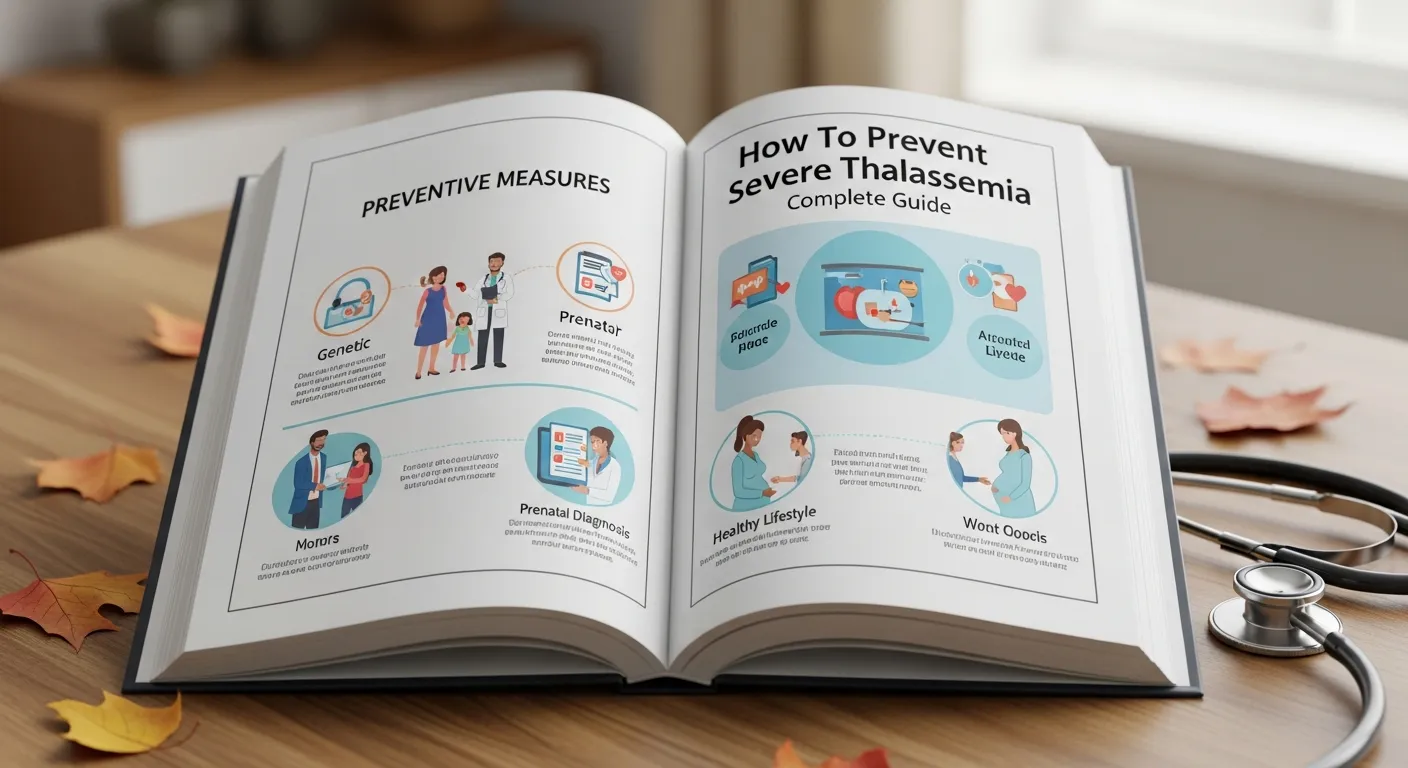
Understanding how to prevent severe thalassemia is essential in reducing the global burden of this inherited blood disorder, which continues to affect millions of families worldwide.
Thalassemia is passed from parents to children through genetic mutations that interfere with normal hemoglobin production, leading to chronic anemia and, in severe cases, lifelong medical complications. While it cannot always be completely cured, the most serious forms of the disease can often be prevented through timely action, proper awareness, and medical guidance.
The key to prevention lies in identifying carriers before they have children and ensuring that both partners understand their genetic risk. Through early screening tests, such as blood analysis and genetic evaluation, individuals can learn whether they carry the thalassemia gene even if they show no symptoms. This early knowledge plays a crucial role in avoiding high-risk pregnancies and reducing the chances of having a child affected by severe thalassemia.
In addition to screening, awareness and education are equally important in understanding how to prevent severe thalassemia. Many people are unaware that they can be carriers of the disease, which is why public health education and routine testing programs are so important. When individuals are informed about genetic inheritance patterns, they are better equipped to make responsible reproductive decisions.
Genetic counseling further strengthens prevention efforts by helping couples understand the probability of passing the condition to their children. Counselors provide personalized risk assessments and guide families toward safe pregnancy planning options. This combination of medical testing, education, and counseling significantly reduces the likelihood of severe cases being passed to the next generation.
Ultimately, learning how to prevent severe thalassemia empowers individuals and families to take proactive steps toward healthier futures. It transforms awareness into action, ensuring that informed decisions today can protect future generations from the burden of this serious genetic disorder.
What is Severe Thalassemia?
 Severe thalassemia occurs when a child inherits defective hemoglobin genes from both parents, leading to a major disruption in normal hemoglobin production. This genetic condition severely reduces the body’s ability to produce healthy red blood cells, resulting in a continuous lack of oxygen delivery to tissues and organs. As a consequence, affected individuals often experience life-long health challenges that require regular medical care and monitoring.
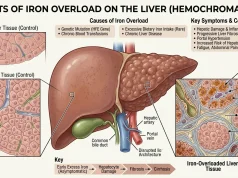
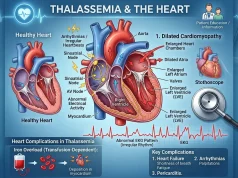
This condition leads to several serious health complications, including severe anemia, which causes extreme fatigue, weakness, and reduced physical activity. Many patients require lifelong blood transfusions to maintain safe hemoglobin levels and sustain normal body functions. Over time, repeated transfusions and iron overload can contribute to organ complications, affecting the liver, heart, and endocrine system. In children, it may also result in growth delays and developmental challenges due to chronic oxygen deficiency.
Because this condition is genetic in nature, prevention remains far more effective than treatment. Once both parents carry the mutated gene, the risk of passing it to the child becomes significantly higher, making early awareness and intervention extremely important. This is why prevention-focused strategies play a critical role in reducing the number of new cases globally.
Why Prevention is Important
Preventing severe forms of thalassemia has a significant impact not only on individual families but also on the broader healthcare system and society as a whole. When preventive measures are effectively implemented, the number of children born with severe blood disorders decreases, leading to improved quality of life and reduced long-term medical dependency.
One of the major benefits of prevention is the reduction in child mortality rates associated with severe hemoglobin disorders. Early identification of risk allows families to take informed decisions before pregnancy, helping avoid high-risk genetic combinations. It also significantly reduces lifelong medical dependency, as individuals are no longer required to undergo continuous transfusions, hospital visits, and intensive treatments.
In addition, prevention helps reduce the emotional and financial burden on families. Managing a chronic genetic disorder often places stress on parents and caregivers, both emotionally and economically. Regular treatments, hospitalizations, and long-term care can become extremely costly, making prevention a more sustainable and compassionate approach.
From a public health perspective, prevention also reduces the burden on healthcare systems. Fewer severe cases mean fewer hospital admissions, lower demand for specialized care, and better allocation of medical resources. This is why raising awareness about genetic blood disorders is not only a medical necessity but also a social responsibility that benefits entire communities.
Thalassemia Prevention Methods
Early detection through screening is one of the most effective strategies in reducing the occurrence of severe genetic blood disorders. By identifying carriers before they begin family planning, healthcare providers can help individuals understand their genetic risk and make informed decisions. This proactive approach plays a central role in reducing the transmission of inherited blood conditions.
In addition to screening, several other preventive strategies contribute to better outcomes. Routine blood testing helps detect early signs of abnormal hemoglobin levels, even in individuals who do not show symptoms. This allows for timely intervention and further genetic evaluation when necessary.
Genetic awareness programs also play an important role in educating the public about inheritance patterns and risk factors. When people understand how genetic traits are passed from parents to children, they are more likely to seek early testing and counseling. Public health education campaigns further strengthen this awareness by reaching wider communities and promoting preventive healthcare practices.
Marriage counseling in high-risk areas is another important preventive measure. It helps couples understand their combined genetic risk before starting a family. By providing personalized guidance, healthcare professionals can help reduce the chances of passing severe genetic conditions to the next generation. Together, these strategies form a comprehensive approach to reducing the impact of inherited blood disorders at both individual and community levels.
Thalassemia Carrier Screening Guide
 A thalassemia carrier screening guide is an essential tool used to identify individuals who carry the thalassemia gene but do not show any visible symptoms. These carriers are often healthy and unaware of their genetic status, yet they can pass the mutated gene to their children. This makes carrier detection a crucial step in preventing the transmission of severe inherited blood disorders across generations.
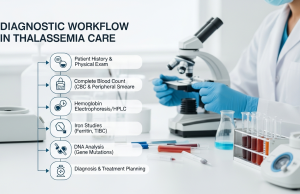
Carrier screening typically includes a combination of diagnostic tests that evaluate hemoglobin structure and genetic makeup. The most common first step is the CBC (Complete Blood Count), which helps detect early signs of abnormal red blood cell size or hemoglobin levels. This is followed by hemoglobin electrophoresis, a more detailed test that identifies different types of hemoglobin and detects abnormal patterns. In some cases, genetic testing is also recommended to confirm specific mutations in the genes responsible for thalassemia.
Identifying carriers early is one of the most effective strategies in reducing the risk of severe disease in children. When both parents are tested before marriage or pregnancy, it becomes possible to understand the genetic compatibility and assess the risk of passing the condition to future generations. This early awareness is a key step in preventing severe outcomes and plays a central role in public health strategies.
Genetic Counseling for Thalassemia
Genetic counseling for thalassemia is a critical preventive step that helps individuals and couples understand their genetic risks in a clear and structured way. It provides medical guidance on how inherited blood disorders are passed from parents to children and what potential outcomes may arise if both partners carry the gene mutation.
During counseling sessions, several important aspects are covered, including detailed family history analysis, which helps identify patterns of inherited blood disorders within families. A thorough risk assessment is also conducted to determine the likelihood of passing the condition to offspring. Based on these findings, healthcare professionals offer reproductive planning advice, helping couples make informed decisions about pregnancy and family planning. Emotional support is also an important part of counseling, as it helps individuals cope with anxiety or concerns related to genetic risk.
Genetic counseling plays a direct and practical role in understanding how to prevent severe thalassemia in future generations. By combining medical knowledge with personalized guidance, it empowers families to take proactive steps toward reducing risk and making informed reproductive choices.
For more detailed guidance on family-based decision-making, you can explore this resource on Family Planning Thalassemia Guide, which explains how genetic risks are managed in real-life scenarios.
Role of Prenatal Screening
Prenatal screening is another highly important step in reducing the risk of inherited blood disorders during pregnancy and plays a key role in how to prevent severe thalassemia. It is performed to determine whether the fetus has inherited thalassemia or related hemoglobin abnormalities. This early detection allows parents and doctors to prepare appropriate medical plans and take necessary precautions before birth.
The benefits of prenatal screening are significant and include early detection of potential genetic disorders, which supports effective thalassemia prevention methods by enabling timely medical interventions. It also ensures safer pregnancy management by allowing doctors to closely monitor the health of both mother and baby throughout pregnancy with guidance from genetic counseling for thalassemia. In addition, prenatal screening supports medical planning before birth, giving families and healthcare providers enough time to prepare for any required treatments or specialized care after delivery, as recommended in a complete thalassemia carrier screening guide.To understand the diagnostic process in more detail, you can refer to this guide on Thalassemia Test Complete Guide, which explains how different tests are used to detect and confirm thalassemia during various stages of life.
Importance of Early Detection
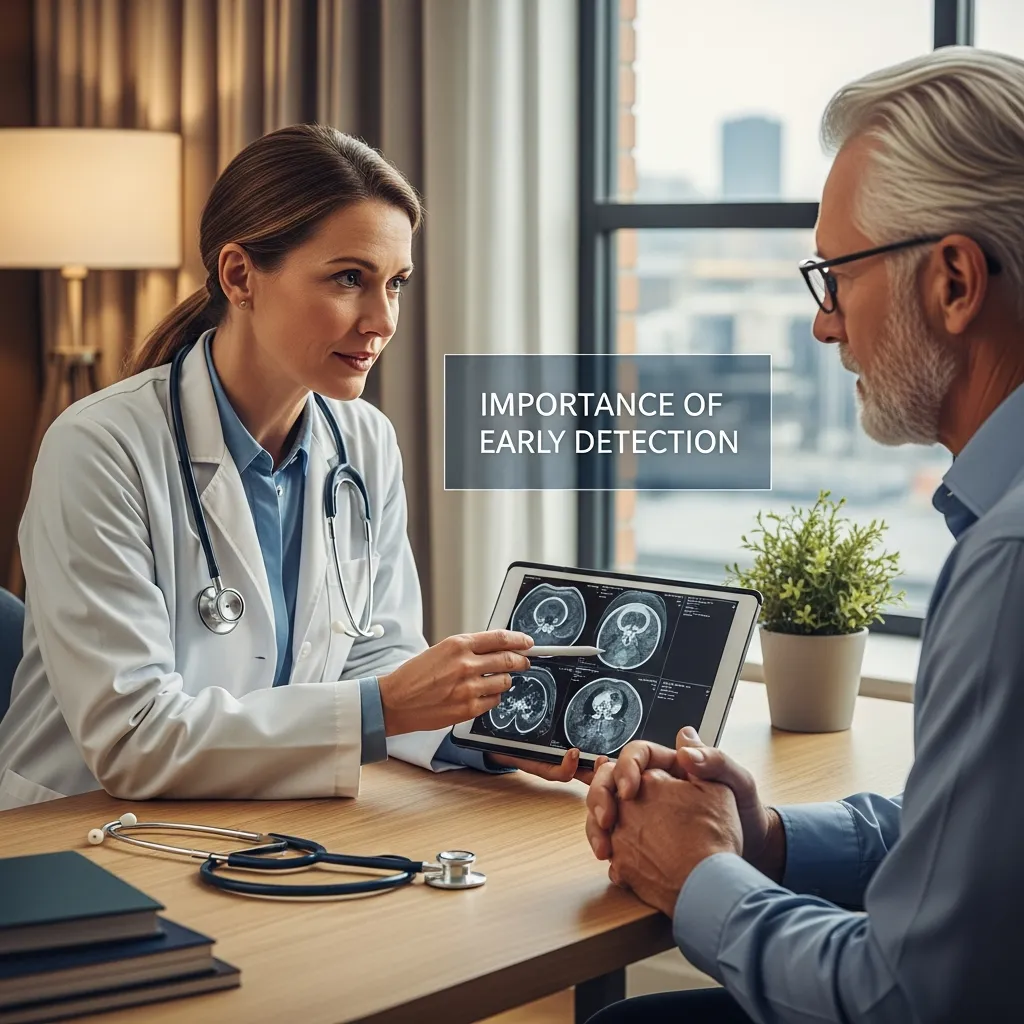 Early detection is one of the most powerful strategies in reducing the burden of severe inherited blood disorders and is a core part of how to prevent severe thalassemia. When genetic conditions are identified at an early stage, individuals and healthcare providers can take timely actions that significantly lower the risk of complications in future generations. This proactive approach helps shift the focus from treatment to prevention, ensuring better long-term health outcomes for families.
One of the key benefits of early detection is the ability to identify carrier couples before they plan a family, which directly supports effective thalassemia prevention methods. When both partners are tested in advance, it becomes possible to understand their genetic compatibility and assess the likelihood of passing the condition to their children. This awareness plays a crucial role in avoiding high-risk pregnancies and making informed reproductive decisions with the help of genetic counseling for thalassemia.
Early testing also contributes to reducing the number of severe cases in newborns. By identifying risk factors before or during pregnancy, doctors can provide appropriate guidance and monitoring, which helps in preventing the birth of children affected by severe forms of the disease. Overall, early detection improves health outcomes not only for individuals but also for society as a whole by lowering the overall disease burden and strengthening the effectiveness of the thalassemia carrier screening guide.
Public Health Awareness
Public health awareness plays a vital role in educating communities about inherited blood disorders and encouraging preventive healthcare practices. Awareness campaigns are designed to reach large populations and spread knowledge about genetic risks, testing options, and available medical support. These initiatives are essential in building a more informed society where individuals can make responsible health decisions.
At the community level, awareness programs focus on several key areas. School education programs help young people understand basic genetic concepts and the importance of early health screening. Marriage counseling awareness initiatives guide couples in understanding genetic compatibility before starting a family, reducing the risk of passing on inherited conditions. Free screening camps also play an important role by providing accessible testing services to people who may not otherwise have access to medical facilities.
For more comprehensive information on care and management approaches, you can explore this resource on the Complete Thalassemia Care Guide, which provides detailed insights into long-term care strategies and support systems for affected individuals.
Modern Medical Support
Modern medical advancements have significantly improved the ability to manage and reduce the impact of inherited blood disorders. While these conditions are genetic in nature, early intervention and advanced technologies have made prevention and diagnosis more effective than ever before, especially in efforts related to how to prevent severe thalassemia. These innovations continue to strengthen global healthcare systems in addressing complex genetic conditions.
One of the most important developments is the use of advanced genetic testing technologies. These tools allow for precise identification of gene mutations, enabling doctors to detect carriers and affected individuals with high accuracy, which supports effective thalassemia prevention methods. In addition, improved screening tools have made it easier to diagnose conditions earlier, even before symptoms appear, which plays a key role in reducing disease transmission and strengthening the thalassemia carrier screening guide process.
Enhanced counseling systems have also become an integral part of modern healthcare. These systems provide structured guidance to individuals and families, helping them understand genetic risks and make informed decisions about reproduction and family planning. This is a crucial part of genetic counseling for thalassemia, ensuring that preventive strategies are properly implemented and long-term health outcomes are improved. For further reading on advanced treatment innovations, you can refer to this guide on Gene Therapy for Thalassemia, which explores emerging medical technologies aimed at improving outcomes for genetic blood disorders.
Who Should Get Tested?
Certain groups of people are at higher risk of carrying inherited blood disorders, and therefore should prioritize early screening and genetic evaluation. These include couples who are planning to get married, as pre-marital testing is an important part of the thalassemia carrier screening guide and helps identify carrier status before starting a family. Pregnant women are also strongly advised to undergo testing so that any potential risks to the baby can be detected early. Individuals with a known family history of anemia or thalassemia should also be tested, as these conditions are often passed through generations. In addition, people suffering from chronic or unexplained anemia should consider testing to rule out underlying genetic causes.
Genetic Risk Awareness
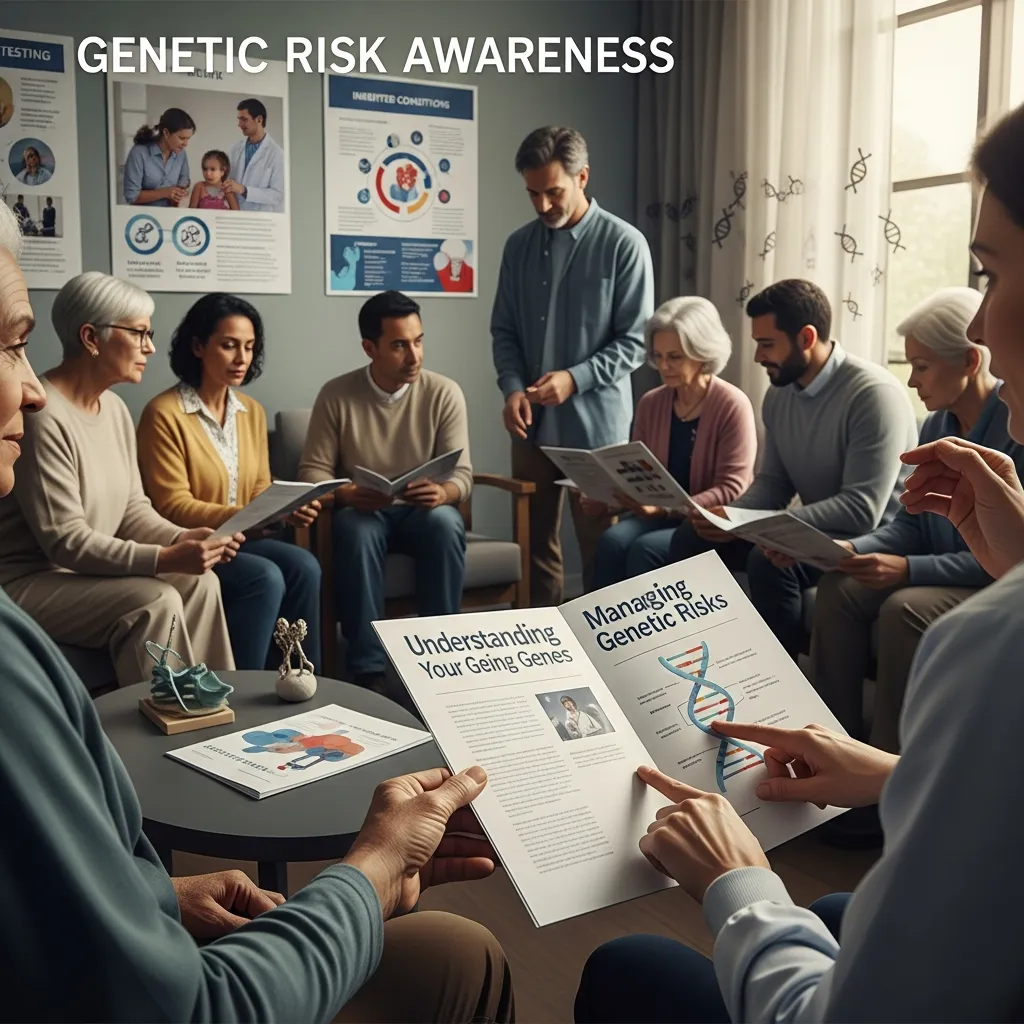 Understanding genetic risk is an important part of how to prevent severe thalassemia, as it helps individuals recognize the likelihood of passing inherited blood conditions to their children. When both parents carry a mutated gene, there is a significantly higher chance that their child may inherit the disorder in a more serious form. This makes awareness and early evaluation extremely important for family planning and long-term health protection.
Genetic risk awareness helps families make informed decisions that can improve future outcomes. It allows couples to plan safer pregnancies by applying effective thalassemia prevention methods and understanding their compatibility and potential risks in advance. It also helps in avoiding severe complications by identifying risks early and taking appropriate medical steps. Most importantly, it encourages individuals to seek timely medical guidance, ensuring that preventive strategies such as genetic counseling for thalassemia are implemented before pregnancy or during its early stages.
Lifestyle and Support
Although lifestyle changes cannot cure genetic blood disorders, awareness and education play an important supportive role in reducing risks and improving outcomes, especially in the context of how to prevent severe thalassemia. Being informed about genetic conditions encourages individuals to undergo early testing and make responsible health decisions. This proactive approach contributes significantly to reducing the chances of passing inherited conditions to future generations.
Support systems are also an important part of managing genetic risk. Counseling services provide guidance and clarity to individuals and families who may be concerned about their genetic status. Emotional support groups help people cope with stress and uncertainty by connecting them with others facing similar situations. Regular health monitoring ensures that any potential issues are identified early and managed effectively, improving overall well-being while supporting long-term strategies related to how to prevent severe thalassemia.
Future of Prevention
The future of preventing severe inherited blood disorders is becoming more promising due to continuous advancements in medical science and public health strategies. New research in gene therapy is opening possibilities for directly addressing genetic mutations at the source, offering hope for long-term solutions. In addition, advanced prenatal diagnostic techniques are making it easier to detect conditions earlier and with greater accuracy, allowing for timely intervention.
Global awareness programs are also expanding, helping educate more people about genetic risks and the importance of early screening. These combined efforts are shaping a future where prevention becomes more effective and widely accessible. For more insights into upcoming innovations, you can explore this resource on Future Treatments for Blood Disorders, which highlights emerging medical advancements aimed at improving care and prevention strategies.
Conclusion
Learning how to prevent severe thalassemia is essential for reducing inherited blood disorders worldwide. Through early screening, genetic counseling, and awareness programs, severe cases can be significantly reduced or avoided entirely.
Prevention is always more effective than treatment, making education and testing the most powerful tools for protecting future generations.
Frequently Asked Questions (FAQ)
1. How to prevent severe thalassemia?
Severe thalassemia can be reduced through early carrier screening, genetic counseling, and timely testing before pregnancy. These steps help identify risk early and support informed family planning.
2. Can thalassemia be completely prevented?
Yes, severe forms of thalassemia can often be prevented when carrier couples are detected early and guided properly. Awareness and preventive screening play a major role in reducing risk.
3. What is the best prevention method?
The most effective method is genetic screening before marriage or pregnancy. It helps identify carriers and supports safer reproductive decisions.
4. Who should get tested?
Couples planning marriage, pregnant women, and individuals with a family history of thalassemia should undergo testing. This helps in early risk detection.
5. What is genetic counseling?
Genetic counseling is professional medical guidance that explains inheritance patterns and risk levels of thalassemia. It supports informed decision-making for families.
6. Can carriers have healthy children?
Yes, carriers can have healthy children if proper genetic counseling and medical planning are followed. Early testing is key to reducing risk.
7. Is prenatal testing necessary?
Yes, prenatal testing is important as it helps detect thalassemia before birth. It allows doctors and parents to plan appropriate care.
8. Is thalassemia curable?
No, thalassemia is not fully curable, but severe forms can be prevented through early detection and preventive healthcare strategies.
9. Why is awareness important?
Awareness helps reduce new cases by encouraging early screening and responsible health decisions. It is essential for the effective prevention of severe thalassemia.
10. What is the main goal of prevention?
The main goal is to stop the transmission of severe thalassemia to future generations. Early action and awareness are key to achieving this.