Gene therapy for thalassemia is an advanced medical treatment designed to correct or replace faulty genes responsible for the disorder. This innovative approach aims to reduce dependence on blood transfusions, improve hemoglobin production, and offer long-term treatment possibilities for individuals living with thalassemia.
Introduction to Thalassemia and the Promise of Gene Therapy
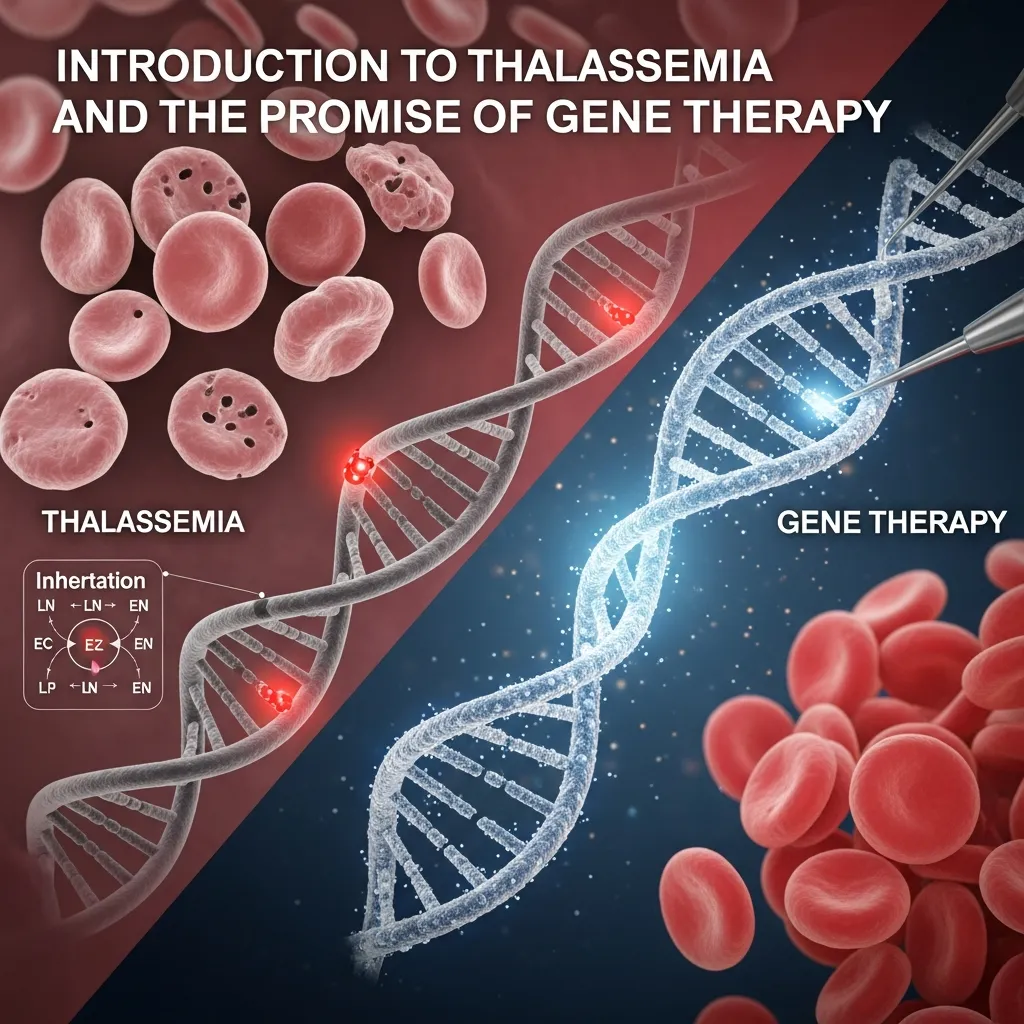 To truly appreciate the impact of this new technology, you must first understand how the condition affects the human body and why traditional treatments fall short.
What is Thalassemia?
Thalassemia is an inherited genetic blood disorder that severely limits the body’s ability to produce healthy hemoglobin. Hemoglobin is the vital protein inside red blood cells responsible for carrying oxygen to every organ, muscle, and tissue. When hemoglobin production drops, the body experiences chronic anemia. This condition leads to extreme fatigue, profound weakness, and delayed physical growth in children.
Depending on the specific genetic mutation a person inherits, they can develop different forms of the condition. Recognizing alpha thalassemia symptoms early is crucial, as they can range from very mild, unnoticeable traits to severe, life-threatening clinical complications.
Current Treatment Landscape: Limitations and Challenges
Historically, treating severe forms of this blood disorder required intensive, lifelong medical support. Patients usually depend on regular blood transfusions every few weeks to maintain safe oxygen levels in their bodies. While these transfusions absolutely save lives, they introduce a massive secondary health challenge: iron overload. The human body lacks a natural mechanism to filter out the excess iron found in transfused blood.
Over time, this toxic iron builds up in vital organs like the heart, liver, and pancreas. To prevent total organ failure, patients must undergo strict iron chelation therapy to remove the mineral from their system. Learning how to monitor thalassemia at home is a major part of this process, helping individuals track fatigue levels and manage medication side effects safely. Even with the most diligent care, navigating the risk factors of severe thalassemia remains a heavy physical, emotional, and financial burden.
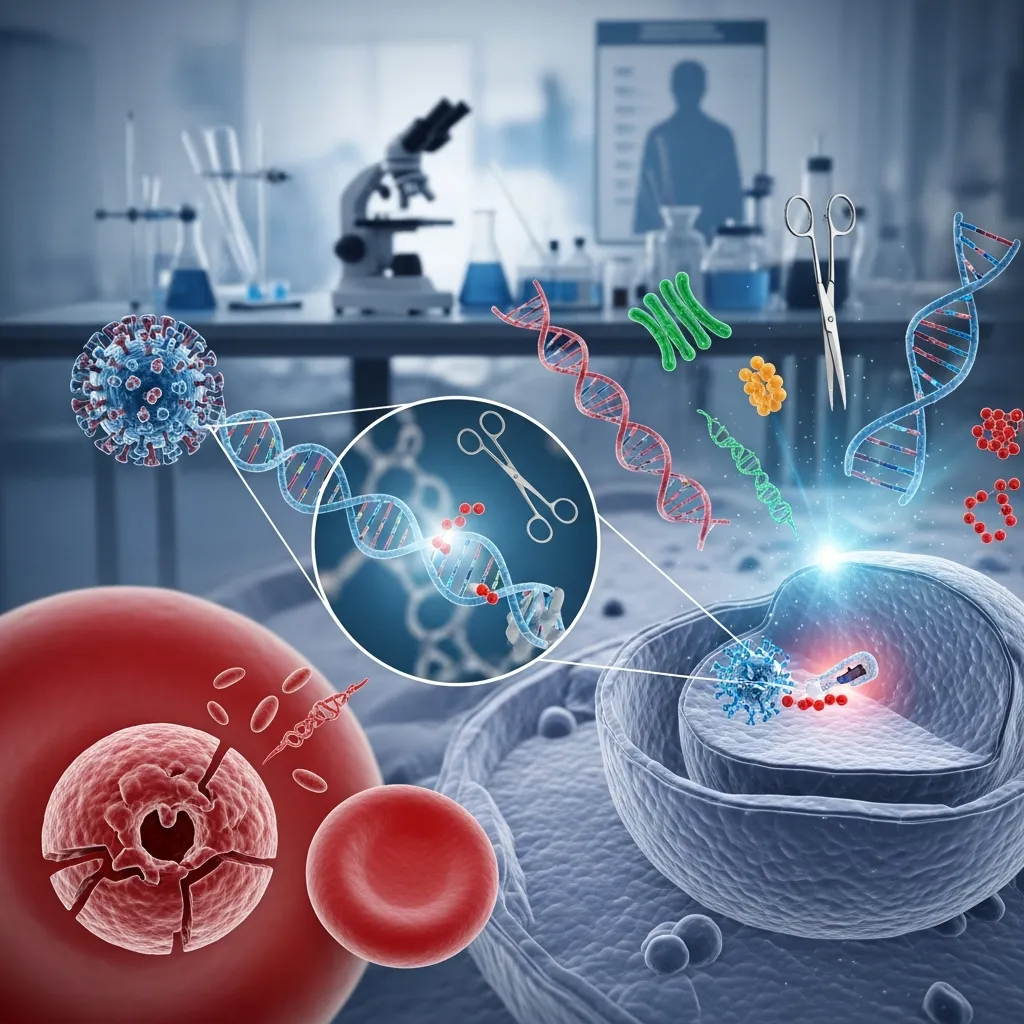 The mechanics of this treatment rely on incredible advancements in modern cellular biology, molecular medicine, and genetic engineering. Researchers have spent decades studying how inherited blood disorders develop at the DNA level, leading to the groundbreaking development of gene therapy for thalassemia. This innovative treatment approach aims to correct the root genetic defect rather than simply managing symptoms throughout a patient’s lifetime.
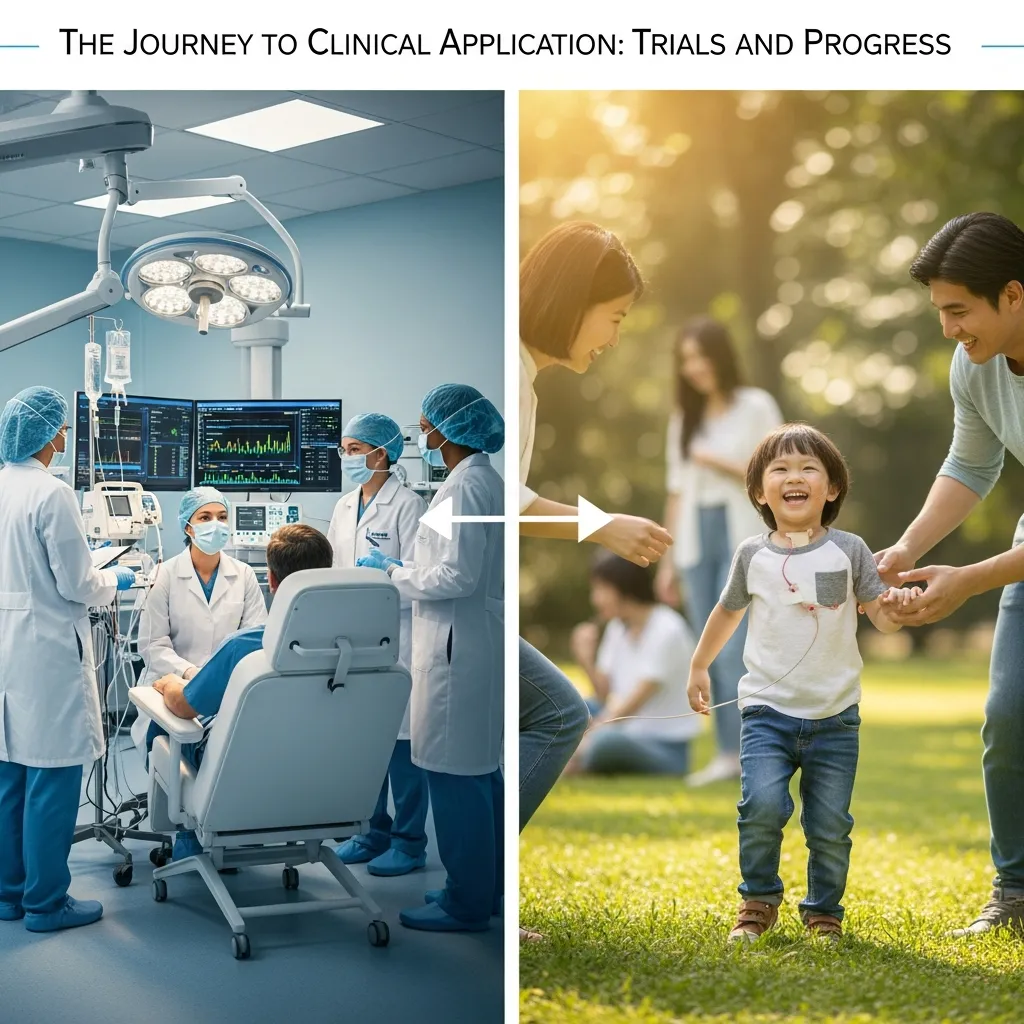 Moving these treatments from a laboratory concept to a real-world medical application required immense dedication and careful testing.
Early Research and Pre-clinical Studies
The path to successful gene therapy for thalassemia took decades of rigorous scientific research. Early laboratory studies focused heavily on understanding how stem cells behaved outside the human body. Researchers had to figure out how to safely extract these delicate cells, modify their genetic structure, and keep them alive in a lab. Animal models provided the first concrete proof that introducing healthy genes could cure severe forms of anemia. These foundational studies set the strict safety standards needed for human testing.
Overview of Major Clinical Trials for Gene Therapy in Thalassemia
As cellular technology improved, human clinical trials began to show remarkable, consistent results. Major studies focused primarily on adult and adolescent patients with transfusion-dependent beta thalassemia. The primary clinical goal was to see if modified stem cells could produce enough natural hemoglobin to eliminate the need for regular blood transfusions entirely.
According to data shared by the National Heart, Lung, and Blood Institute (NHLBI), clinical trials carefully monitor patients for many years to ensure the treatment is both safe and highly durable. Participants undergo rigorous medical preparation, including specialized chemotherapy, to clear out their old, defective bone marrow before receiving the newly modified cells.
The Life-Changing Benefits of Gene Therapy
 Gene therapy for thalassemia offers distinct advantages that go far beyond basic symptom relief.
The most obvious clinical benefit is the potential freedom from chronic blood transfusions. Eliminating the need for transfusions completely removes the primary cause of iron overload. This immediately protects the heart, liver, and delicate endocrine system from irreversible toxic damage.
Patients also experience a massive boost in their daily quality of life. Without severe anemia constantly weighing them down, individuals can exercise normally, focus better at work or school, and pursue physical activities they previously avoided. The emotional relief for families is equally profound. Caregivers no longer have to plan their entire lives around hospital schedules and medical crises.
Furthermore, this innovative approach fits perfectly into modern holistic thalassemia care plans. While patients still require occasional monitoring to ensure their organs heal properly, the heavy clinical burden is drastically reduced. The Centers for Disease Control and Prevention (CDC) notes that improved and advanced treatments directly correlate with much longer, healthier life expectancies for the entire patient population.
Embracing a New Era of Medical Innovation
Gene therapy for thalassemia represents one of the most exciting and impactful advancements in modern medicine today. By treating the disorder directly at its genetic source, science is offering patients a true chance at lifelong health, stability, and independence.
If you or a loved one are currently managing a severe blood disorder, stay actively informed about these emerging treatments. Speak with your hematologist about relevant clinical trials and ongoing global research. Education is your most powerful tool in navigating chronic illness. Keep asking detailed questions, stay closely connected with patient advocacy groups, and take an active, confident role in shaping your healthcare journey.
Conclusion
Gene therapy for thalassemia represents one of the most groundbreaking advancements in modern medicine. By targeting the root genetic cause of the disorder, it offers the possibility of long-term or even transfusion-free living for many patients. While challenges such as cost, accessibility, and long-term safety still remain, the progress seen in clinical trials is highly promising. As research continues to evolve, gene therapy stands as a powerful step toward transforming thalassemia treatment from lifelong management to potential functional cure.
Frequently Asked Questions About Gene Therapy
1.Is gene therapy a complete cure?
For many patients in clinical trials, gene therapy has eliminated the need for blood transfusions entirely, essentially acting as a functional cure. However, long-term monitoring is still required to understand durability over decades.
2.How long does the treatment process take?
The full process can take several months, including stem cell collection, lab modification, chemotherapy conditioning, and recovery after infusion.
3.Are there side effects to the procedure?
Yes. Conditioning chemotherapy may cause fatigue, hair loss, infection risk, and temporary immune suppression, requiring close hospital monitoring.
4.Is gene therapy for thalassemia approved everywhere?
No. It is approved in some countries and still under regulatory review or limited clinical use in others, depending on health authorities.
5.Who is eligible for gene therapy?
Eligibility depends on disease severity, overall health, age, and whether the patient has suitable stem cells for modification.
6.Is the treatment painful?
The stem cell collection and infusion are generally manageable, but chemotherapy conditioning can cause significant discomfort and side effects.
7.How successful is gene therapy so far?
Clinical trials show many patients becoming transfusion-independent, with improved hemoglobin levels and long-term stability in many cases.
8.Can gene therapy fail?
Yes. In some cases, patients may not respond fully, or results may vary depending on genetic complexity and treatment response.
9.Is gene therapy safe for children?
It is being studied and used in select cases, but safety and long-term outcomes in children are still under ongoing research.
10.Will patients still need follow-up after treatment?
Yes. Lifelong monitoring is required to track blood health, hemoglobin levels, and any long-term effects of the therapy.