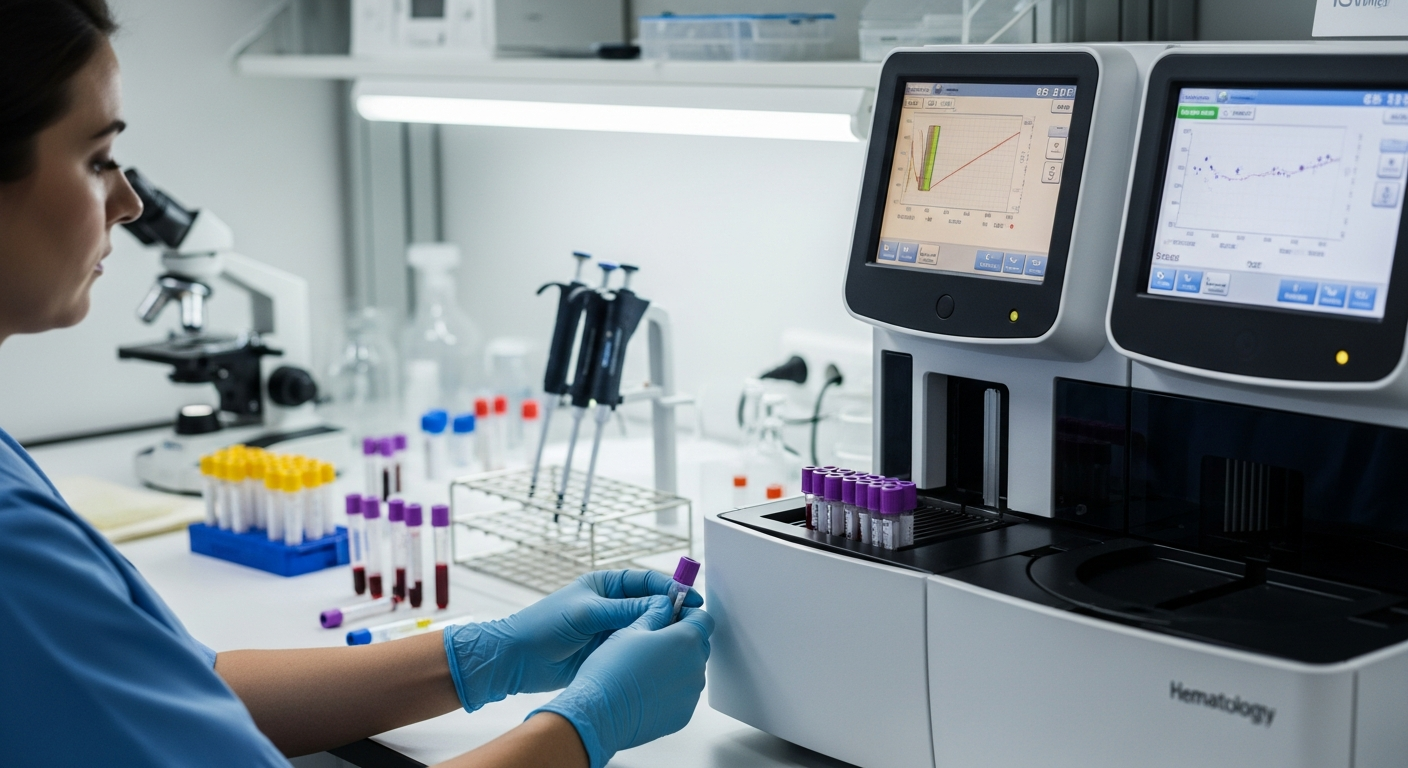
A thalassemia test is a set of blood and genetic tests used to detect and diagnose thalassemia. It includes CBC, hemoglobin electrophoresis, and sometimes genetic testing to identify abnormal hemoglobin and carrier status. The test helps confirm the type and severity of the condition for accurate diagnosis and management.
Why a Thalassemia Test is Important
A thalassemia test plays a critical role in identifying hidden carriers who do not show obvious symptoms. Many individuals with thalassemia minor remain unaware of their condition until a routine blood test reveals abnormal red blood cell patterns or mild anemia during unrelated health checkups.
In many cases, the condition is only discovered when doctors investigate persistent low hemoglobin levels that do not respond properly to iron supplements. This makes early screening essential for avoiding confusion and ensuring the correct diagnosis from the beginning.
Key importance of testing includes:
- Detecting hidden carrier status
- Differentiating thalassemia from iron deficiency anemia
- Preventing transmission of severe thalassemia in children
- Supporting accurate medical treatment decisions
- Helping with genetic counseling and family planning
Without proper testing, many cases are misdiagnosed and treated incorrectly.
Additional Importance (Extended Insight)
A thalassemia test is also important because it helps reduce unnecessary long-term medication use, especially iron therapy, which is often prescribed incorrectly when thalassemia is mistaken for iron deficiency anemia. Proper diagnosis ensures that patients receive appropriate care instead of ineffective or potentially harmful treatment.
Early identification through testing also helps doctors monitor patients more effectively over time, especially in families where genetic inheritance patterns are present. This allows better health planning, early intervention if needed, and improved overall quality of life for carriers and affected individuals.
Who Should Take a Thalassemia Test?
 A thalassemia test is an important screening tool that helps identify individuals at risk of carrying or developing a genetic blood disorder, even when no symptoms are present.
A thalassemia test is recommended for:
- People with persistent mild anemia
- Individuals with a family history of thalassemia
- Couples planning marriage or pregnancy
- Pregnant women during routine screening
- People from regions where thalassemia is common
Even healthy individuals may carry the gene without knowing it, making screening important for prevention.
In many cases, individuals feel completely normal and only discover their carrier status during routine health checkups or premarital screening programs. This is why awareness-based testing is strongly recommended, even in the absence of symptoms.
In addition, people who have previously been diagnosed with unexplained anemia that does not improve with iron treatment should also consider testing. Early screening helps avoid confusion with other blood conditions and ensures correct medical advice from the beginning.
Types of Thalassemia Tests
There are multiple methods used to diagnose thalassemia. Each test provides different levels of information, and doctors often combine them to ensure accurate results.
1. Complete Blood Count (CBC)
CBC is usually the first step in thalassemia testing. It measures basic blood parameters such as:
- Hemoglobin level
- Red blood cell count
- MCV (mean corpuscular volume)
- MCH (mean corpuscular hemoglobin)
In thalassemia, red blood cells are often smaller than normal with mild anemia. However, CBC alone cannot confirm the disease, so it is usually followed by more specific tests for accurate diagnosis.
2. Hemoglobin Electrophoresis
This test separates different types of hemoglobin in the blood and identifies abnormal patterns. It is one of the most important confirmatory tests for thalassemia.
It helps detect:
- Abnormal hemoglobin patterns
- Beta thalassemia trait
- Changes in HbA, HbA2, and HbF levels
This test is especially useful in distinguishing thalassemia from iron deficiency anemia, as both conditions may show similar symptoms in initial screening.
3. High-Performance Liquid Chromatography (HPLC)
HPLC is a modern and highly accurate diagnostic method. It measures hemoglobin fractions in detail and provides a clear breakdown of different hemoglobin types present in the blood.
It helps identify:
- Carrier status
- Type of thalassemia
- Abnormal hemoglobin variants
This test is widely used in advanced laboratories because of its high precision and ability to detect subtle variations that may not be visible in basic testing methods.
4. Genetic Testing
Genetic testing is the most precise method for confirming thalassemia. It directly identifies mutations in alpha or beta globin genes responsible for the disorder.
It is especially useful for:
- Prenatal diagnosis
- Family screening
- Confirming uncertain or borderline cases
- Genetic counseling support
This test provides definitive results and is considered the gold standard when exact mutation identification is required.
Additional Point: Combined Diagnostic Approach
In real clinical practice, doctors often use a combination of CBC, hemoglobin electrophoresis, HPLC, and genetic testing rather than relying on a single test. This combined approach ensures higher diagnostic accuracy, reduces misinterpretation, and helps differentiate thalassemia from other types of anemia more effectively.
Procedure of a Thalassemia Test
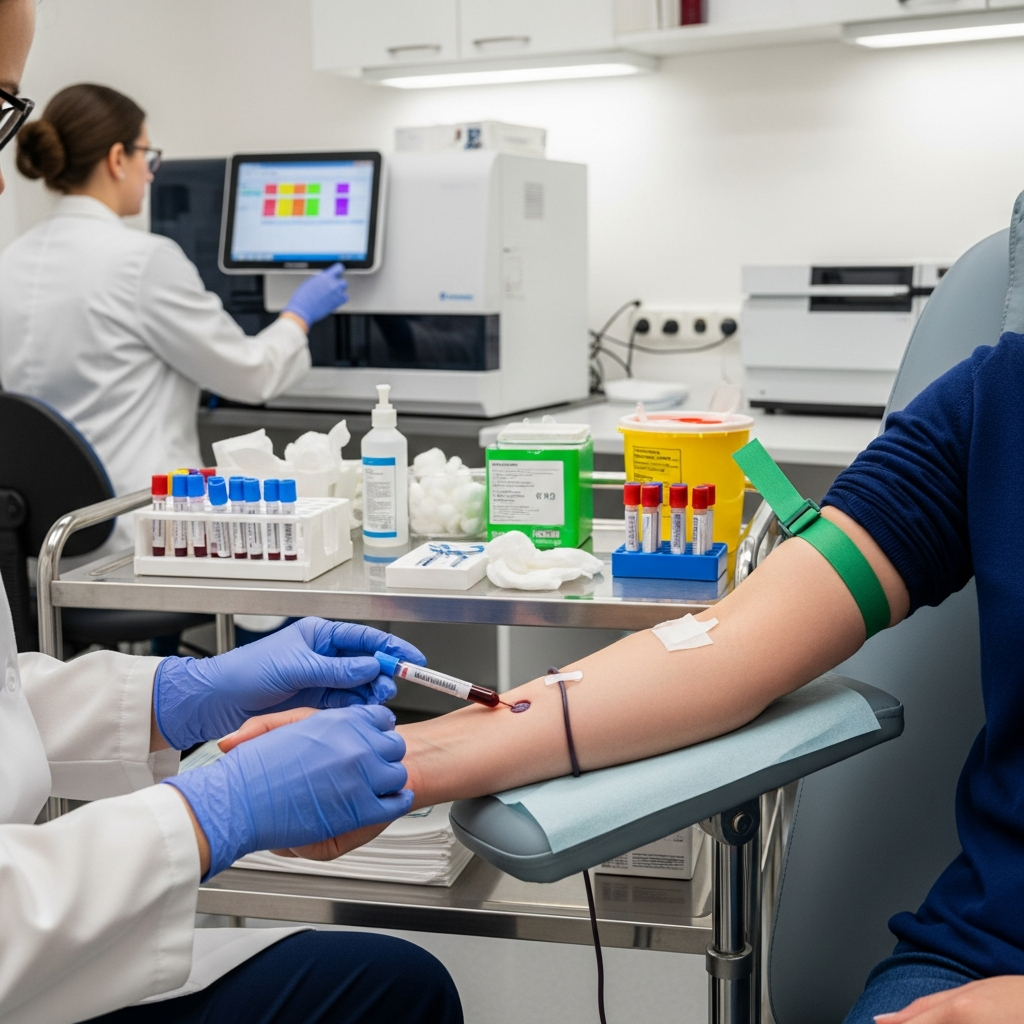 The process of a thalassemia test is simple and involves a small blood sample. In most cases, it is done in an outpatient setting without any hospital admission or complex preparation, making it an easy and accessible diagnostic method for patients of all ages.
Steps include:
- Blood sample collection from a vein
- Laboratory analysis of CBC
- Further testing (if required) using electrophoresis or HPLC
- Genetic testing for confirmation in complex cases
The procedure is safe, quick, and does not require special preparation in most cases. Patients may only feel a slight prick during blood collection, and normal daily activities can usually be resumed immediately afterward.
Additional Detail on Testing Process
In some cases, doctors may first notice abnormal red blood cell patterns during a routine CBC test, which then leads to further investigations. Depending on the initial results, additional confirmatory tests are selected to ensure an accurate diagnosis and rule out other forms of anemia.
Understanding Thalassemia Test Results
Thalassemia test results are interpreted based on blood values and hemoglobin patterns. Doctors analyze multiple parameters together rather than relying on a single result, which helps ensure a more precise diagnosis.
- Normal results: No signs of hemoglobin disorder
- Carrier (trait): Mild abnormalities in red blood cell size and hemoglobin levels
- Thalassemia disease: Significant changes in hemoglobin structure and function
Doctors usually combine multiple test results to reach an accurate diagnosis. In many cases, follow-up testing may be required to confirm borderline or unclear findings, especially when symptoms overlap with other types of anemia.
Additional Insight on Interpretation
It is important to understand that test interpretation is not always straightforward, as factors such as iron levels, nutritional status, and underlying health conditions can influence blood results. That is why specialists carefully evaluate all findings together before making a final diagnosis.
Thalassemia Test vs Iron Deficiency Anemia
Thalassemia is often confused with iron deficiency anemia because both conditions show similar symptoms like fatigue, weakness, and low hemoglobin levels. However, they have completely different causes and require different treatment approaches.
A thalassemia test helps clearly differentiate between them:
- Iron deficiency improves with iron supplements
- Thalassemia does not respond to iron therapy
- Red blood cell patterns are different in both conditions
Correct diagnosis is essential to avoid unnecessary iron treatment, as inappropriate iron supplementation in thalassemia cases can sometimes lead to iron overload and additional health complications over time.
Additional Comparison Insight
In clinical practice, doctors often use a combination of CBC results, iron studies, and hemoglobin analysis to distinguish between these two conditions. This step-by-step evaluation ensures that patients receive the correct treatment based on their actual underlying condition rather than similar-looking symptoms.
Benefits of Thalassemia Testing
A thalassemia test offers several important benefits that help in early detection, accurate diagnosis, and proper health management. It plays a key role in identifying both carriers and affected individuals before complications develop.
A thalassemia test offers several important benefits:
- Early detection of genetic blood disorders
- Prevention of severe thalassemia in newborns
- Accurate treatment planning
- Avoiding misdiagnosis and wrong medication
- Supporting informed reproductive decisions
Early testing significantly improves long-term health outcomes by ensuring timely diagnosis and preventing unnecessary or incorrect treatment.
Cost of Thalassemia Test
The cost of a thalassemia test varies depending on several important factors, including the type of test and the laboratory where it is performed.
- Type of test (CBC, HPLC, or genetic testing)
- Laboratory facilities and technology level
- Country and healthcare system differences
Basic CBC tests are usually affordable and widely available, while advanced tests like HPLC and genetic analysis are more expensive but provide higher accuracy and detailed results needed for confirmation.
Limitations of Thalassemia Testing
Although a thalassemia test is highly reliable, there are still some limitations that should be considered during diagnosis and interpretation.
- Mild carrier cases may not always be detected in basic screening
- Symptoms can overlap with other types of anemia
- Advanced genetic testing may not be available in all healthcare settings
Despite these limitations, combining multiple diagnostic methods such as CBC, HPLC, and genetic testing greatly improves accuracy and reduces the risk of misdiagnosis.
Prevention Through Testing
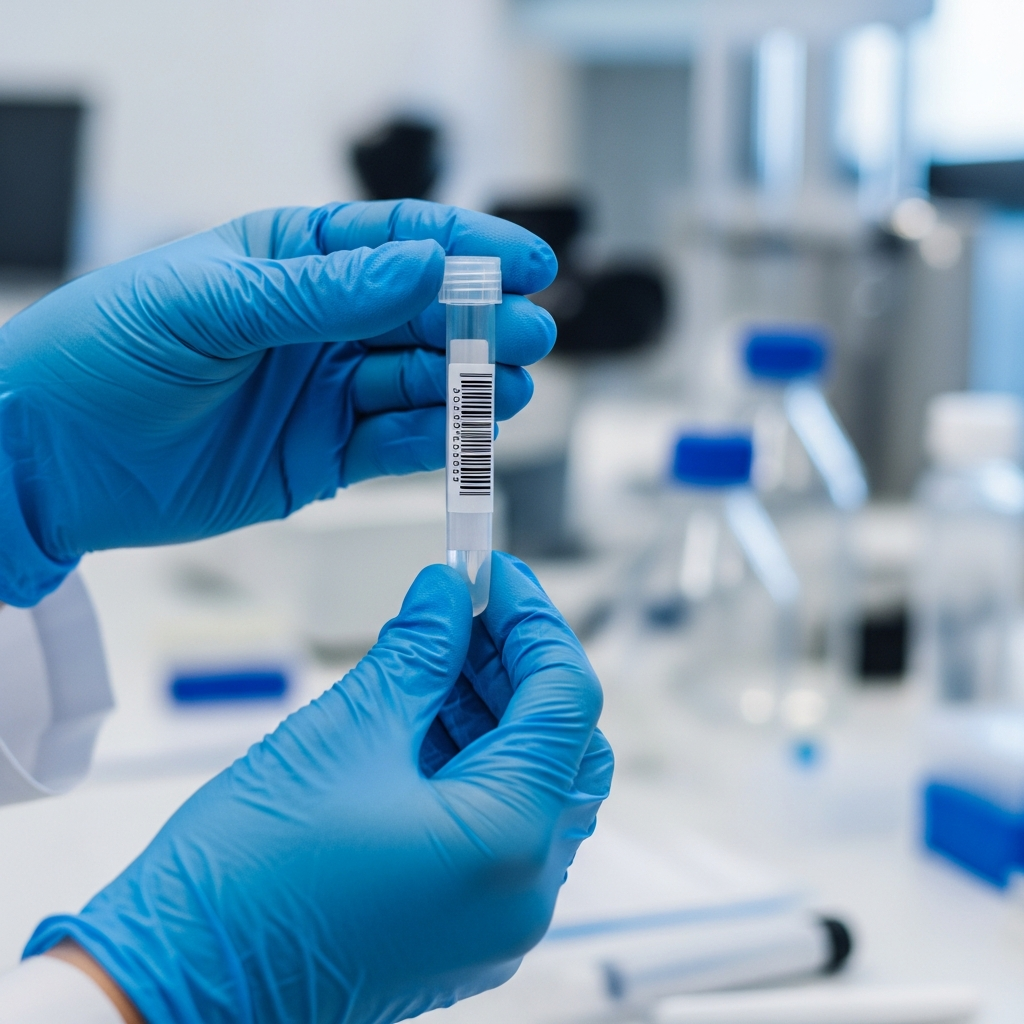 One of the most important roles of a thalassemia test is prevention, especially when it comes to reducing the risk of severe inherited blood disorders in future generations. By identifying carriers early, individuals and couples can understand their genetic status before planning a family, which plays a major role in breaking the cycle of transmission.
If both partners are carriers of thalassemia, there is a significant risk that their child may inherit a more severe form of the disease. In such cases, early testing allows families to be aware of this possibility in advance rather than facing unexpected complications during or after pregnancy.
Genetic counseling is an essential part of this preventive approach. It helps couples clearly understand the inheritance pattern, the level of risk involved, and the available reproductive options. With proper guidance, couples can make informed and responsible decisions before pregnancy, reducing emotional stress and medical uncertainty later on.
Many countries have also introduced national screening programs in schools, premarital clinics, and antenatal care centers to identify carriers early. These programs have been highly effective in reducing the number of new cases of severe thalassemia by promoting awareness and encouraging routine testing among high-risk populations.
FAQs
1. What is a thalassemia test used for?
A thalassemia test is used to detect abnormal hemoglobin production in the blood and to determine whether a person is completely normal, a carrier (trait), or affected by thalassemia. It helps doctors understand how well red blood cells are functioning and whether there is any genetic blood disorder present.
2. Is a thalassemia test painful?
No, a thalassemia test is not painful. It only requires a small blood sample taken from a vein, similar to a routine blood test. Most people feel only a mild prick, and the procedure is completed within a few minutes.
3. How long does a thalassemia test take?
The blood collection process takes only a few minutes, but the total time for results depends on the type of test performed. Basic CBC results may come quickly, while advanced tests like HPLC or genetic analysis can take one to several days.
4. Can a CBC test detect thalassemia?
A CBC test can provide early clues of thalassemia by showing small red blood cells and mild anemia, but it cannot confirm the condition on its own. It is usually the first step in screening before more specific tests are performed.
5. What confirms thalassemia diagnosis?
Thalassemia is confirmed through specialized tests such as hemoglobin electrophoresis, HPLC (High-Performance Liquid Chromatography), or genetic testing. These tests analyze hemoglobin types and gene mutations to provide an accurate diagnosis.
6. Do I need to fast before a thalassemia test?
In most cases, fasting is not required before a thalassemia test. It is a simple blood test that does not depend on food intake. However, your doctor may give specific instructions if other blood tests are also included.
7. Can thalassemia be mistaken for iron deficiency anemia?
Yes, thalassemia is often confused with iron deficiency anemia because both conditions can show similar symptoms like fatigue and low hemoglobin. However, thalassemia does not improve with iron supplements, which helps doctors differentiate between them.
8. Who should get a thalassemia test?
People with persistent mild anemia, individuals with a family history of blood disorders, couples planning pregnancy, pregnant women, and people from high-risk regions should consider taking a thalassemia test for early detection and prevention.
9. Is genetic testing necessary for thalassemia?
Genetic testing is not always required for basic diagnosis, but it is the most accurate method for confirming carrier status or complex cases. It is especially recommended for family planning and prenatal screening.
10. Can thalassemia be prevented through testing?
Yes, while thalassemia itself is a genetic condition and cannot be cured through testing, early detection through screening helps prevent severe cases in children. Carrier identification and genetic counseling allow couples to make informed reproductive decisions and reduce risk.
Conclusion
A thalassemia test is a vital diagnostic tool for identifying genetic blood disorders early. It helps detect carriers, confirm diagnosis, and prevent severe forms of the disease through proper planning.
By using tests like CBC, hemoglobin electrophoresis, HPLC, and genetic analysis, doctors can accurately evaluate blood health. Early screening ensures better treatment decisions, reduces complications, and supports safe family planning.
Understanding and taking a thalassemia test at the right time plays a key role in protecting long-term health and preventing inherited blood disorders.