Stem cell treatment for thalassemia—including bone marrow transplant and thalassemia gene therapy—offers the most promising path to a curative treatment for thalassemia.
Allogeneic bone marrow transplant currently achieves cure rates above 80% in eligible patients, while approved gene therapies like Zynteglo and Casgevy are expanding options further.
Thalassemia affects more than 300 million people worldwide, according to the Thalassemia International Federation. For most patients with severe forms of the disease, survival has traditionally depended on blood transfusions every two to four weeks—a lifelong cycle that manages symptoms but never addresses the genetic root cause. That reality is changing.
Stem cell treatment for thalassemia has moved from experimental possibility to clinical reality. Bone marrow transplant for thalassemia has been available for decades, and when a matched donor is found, it delivers cure rates that few other treatments can match. More recently, thalassemia gene therapy has entered the picture, offering patients who lack a compatible donor a new path toward transfusion independence.
This guide covers everything you need to know—what thalassemia is, how stem cells work, what the transplant process involves, how bone marrow transplant compares to gene therapy, and what the long-term outlook looks like for patients pursuing curative treatment for thalassemia. By the end, you will have a clear, evidence-based understanding of where the science stands and what it means for patients and families today.
What Is Thalassemia, and Why Do Current Standard Treatments Fall Short?
 Thalassemia is an inherited blood disorder caused by mutations in the genes responsible for producing hemoglobin—the protein inside red blood cells that carries oxygen through the body. When these genes malfunction, the body cannot produce enough healthy hemoglobin, leading to chronic anemia.
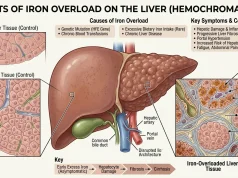
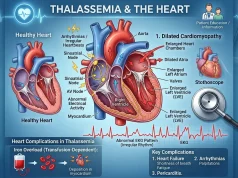
The two main types are alpha thalassemia and beta thalassemia, classified by which globin chain is affected. Beta thalassemia major—the most severe form—requires regular blood transfusions to survive. Each transfusion temporarily restores hemoglobin levels. However, repeated transfusions cause iron to accumulate in organs like the heart, liver, and endocrine glands. Without iron chelation therapy to remove that excess iron, organ damage follows.
The treatment burden is significant. Patients spend enormous time at infusion centers, managing medications, and attending monitoring appointments. The psychological impact of thalassemia is equally substantial—anxiety, depression, and social isolation affect many patients and their families. Standard treatments extend life, but they do not offer a cure. That is the gap that stem cell treatment for thalassemia is designed to fill.
Understanding Stem Cells and Their Role in Treating Blood Disorders
What Types of Stem Cells Are Relevant to Thalassemia Treatment?
Hematopoietic stem cells (HSCs) are the foundation of stem cell treatment for thalassemia. These are blood-forming stem cells found in the bone marrow, peripheral blood, and umbilical cord blood. HSCs continuously produce all types of blood cells, including the red blood cells that carry hemoglobin.
In a patient with thalassemia, HSCs carry genetic mutations that cause them to produce defective or insufficient hemoglobin. Replacing those cells—with either a donor’s healthy HSCs or the patient’s own genetically corrected cells—is the central goal of stem cell therapy.
How Do Stem Cells Work to Correct Thalassemia?
When healthy donor HSCs are transplanted into a thalassemia patient, they engraft in the bone marrow and begin producing normal red blood cells. The patient’s immune system and blood-forming capacity gradually shift to reflect the donor’s healthy genetics. If engraftment is successful, the patient can become transfusion-independent.
This process works because HSCs are self-renewing—once they establish themselves in the bone marrow, they continuously replenish the blood supply with healthy cells for years, potentially for life.
The Stem Cell Transplant Process for Thalassemia: Step by Step
Pre-Transplant Evaluation and Preparation
Before any transplant proceeds, a thorough medical evaluation takes place. Doctors assess the patient’s overall health, organ function, and disease severity. For allogeneic transplants—using a donor’s cells—identifying a compatible donor is the most critical step.
Donor Matching (Allogeneic vs. Autologous)
Allogeneic transplants use stem cells from a matched donor, ideally a sibling with a compatible HLA (human leukocyte antigen) type. A matched sibling donor offers the best outcomes. Unrelated matched donors and cord blood units are also used when no sibling match exists.
Autologous transplants use the patient’s own stem cells, typically in the context of gene therapy. The patient’s cells are collected, genetically corrected in a laboratory, and then reinfused. This approach eliminates the risk of graft-versus-host disease (GVHD) because the cells are the patient’s own.
Conditioning Regimen
Before transplant, patients undergo a conditioning regimen—high-dose chemotherapy designed to destroy existing bone marrow cells and suppress the immune system. This creates space for the new stem cells and reduces the risk of rejection. The conditioning process carries its own short-term risks, including infection vulnerability, fatigue, and in some cases, effects on fertility.
The Transplant Procedure
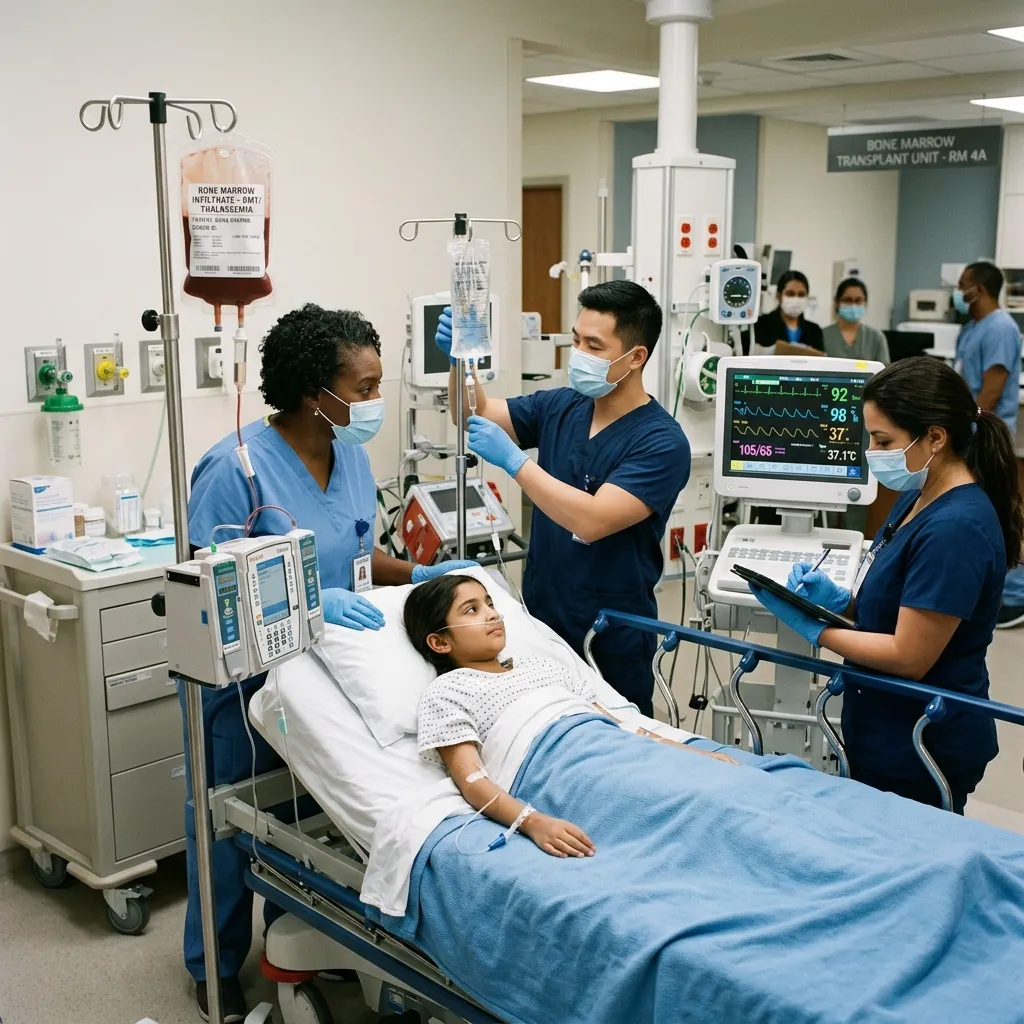
Once conditioning is complete, the stem cells—whether from a donor or the patient’s own corrected cells—are infused intravenously. The procedure resembles a blood transfusion. The stem cells travel through the bloodstream and find their way to the bone marrow, where they begin to engraft and produce new blood cells.
Post-Transplant Care and Recovery
Engraftment typically begins within two to four weeks after transplant. During this period, patients require close monitoring in a specialized center. Blood counts are checked frequently, and any signs of infection or rejection are addressed immediately.
Recovery extends for months. Patients who receive regular checkups after transplant achieve significantly better long-term outcomes. Consistent monitoring tracks hemoglobin levels, iron stores, organ function, and signs of GVHD.
Potential Complications and Management
Graft-versus-host disease is the most significant complication of allogeneic transplant. This occurs when donor immune cells recognize the patient’s body as foreign and mount an attack. Acute GVHD affects the skin, gut, and liver. Chronic GVHD can affect multiple organ systems.
Other complications include graft failure, infection, organ damage from conditioning, and, rarely, secondary malignancies. Advances in conditioning regimens and GVHD prophylaxis have substantially reduced these risks over the past two decades.
Bone Marrow Transplant for Thalassemia: A Closer Look
What Is a Bone Marrow Transplant?
Bone marrow transplant for thalassemia is a form of allogeneic stem cell transplant in which stem cells are harvested directly from the donor’s bone marrow (typically from the hip bone) or from peripheral blood after stimulation with growth factors. The harvested cells are then infused into the patient following conditioning.
Cord blood transplant is an alternative for patients who lack a matched sibling or unrelated donor. Cord blood units collected at birth carry a lower risk of GVHD, though engraftment can be slower due to the smaller number of cells.
Who Is Eligible for Bone Marrow Transplant for Thalassemia?
Not all thalassemia patients are candidates for bone marrow transplant. The Pesaro classification system stratifies thalassemia patients by risk based on three factors: presence of liver enlargement, quality of chelation therapy history, and presence of portal fibrosis on liver biopsy.
Class I patients—those with none of these risk factors—achieve the best outcomes. Younger patients, especially those under ten years old, fare better than adults. This is why early evaluation and transplant planning matter greatly for eligible children.
What Are the Success Rates of Bone Marrow Transplant for Thalassemia?
For Class I patients with a matched sibling donor, overall survival rates exceed 90%, and event-free survival (meaning the patient is alive and free from thalassemia) exceeds 80%, according to data published in transplant medicine literature. For higher-risk patients or those using unrelated donors, outcomes are lower but improving steadily.
According to the Centers for Disease Control and Prevention (CDC), blood disorders like thalassemia represent a significant global health burden, making curative treatments a public health priority.
Advantages and Disadvantages Compared to Other Stem Cell Sources
Bone marrow and peripheral blood stem cells offer a large cell dose and established engraftment protocols. Cord blood offers ease of collection and lower GVHD risk but carries a higher risk of engraftment failure. Each source involves trade-offs that must be weighed individually for each patient.
Thalassemia Gene Therapy: The Future of Curative Treatment
What Is Gene Therapy for Thalassemia?
Thalassemia gene therapy modifies the patient’s own stem cells to correct the underlying genetic defect—eliminating the need for a matched donor entirely. Two approved approaches currently exist.
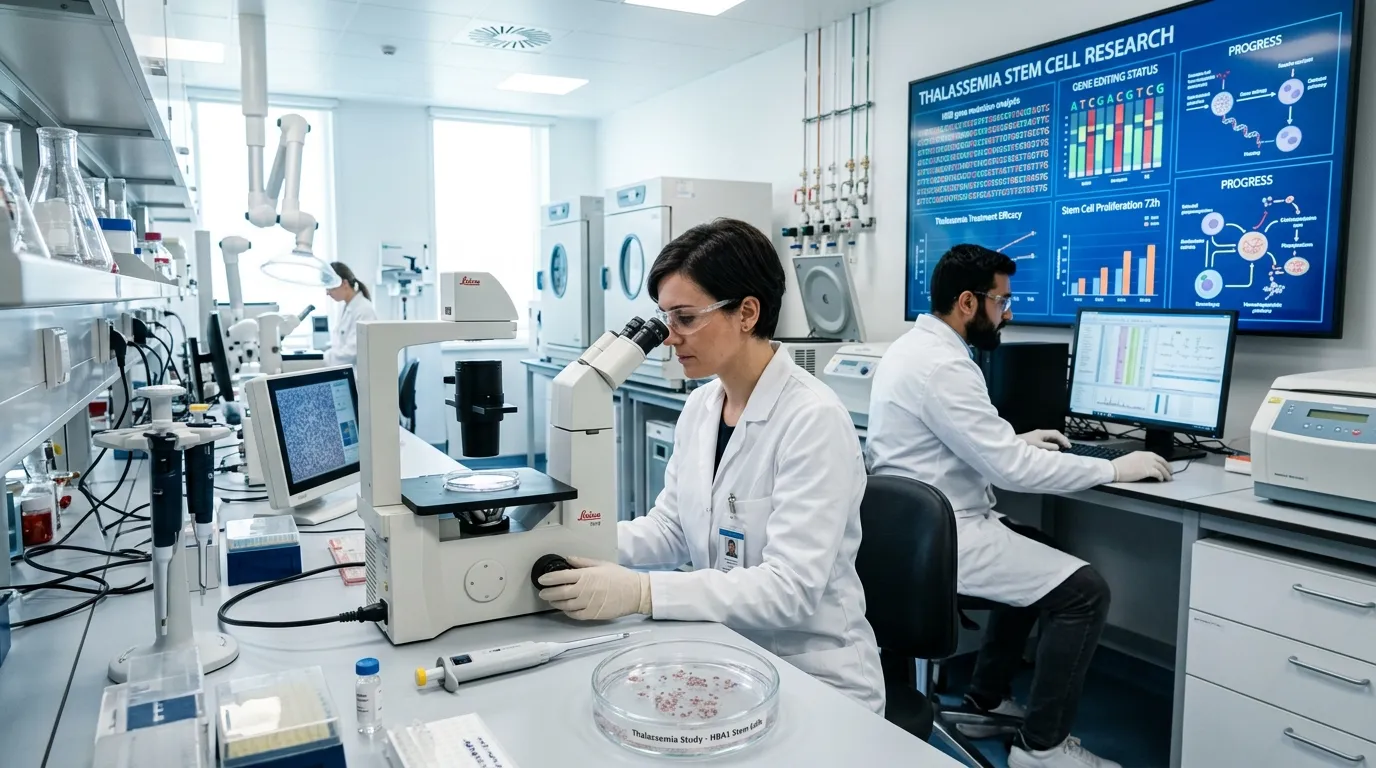
Betibeglogene spartacus (Zynteglo) uses a lentiviral vector to insert a functional beta-globin gene into the patient’s stem cells. The FDA approved Zynteglo in August 2022. Exagamglogene autotemcel (Casgevy), FDA-approved in December 2023, uses CRISPR-Cas9 gene editing to reactivate fetal hemoglobin production by disabling the BCL11A gene. Casgevy is the first CRISPR-based therapy approved for any disease.
For a detailed breakdown of how these therapies work, the complete guide to gene therapy for thalassemia covers the science, clinical trial data, costs, and eligibility criteria.
Clinical Trial Results for Thalassemia Gene Therapy
The HGB-207 and HGB-212 trials for Zynteglo showed that approximately 89% of non-severe genotype participants achieved transfusion independence. The CLIMB THAL-111 trial for Casgevy reported that 39 of 42 evaluable participants were transfusion-free during a continuous 12-month follow-up period, according to data presented at the 2023 American Society of Hematology annual meeting.
Potential Benefits and Challenges of Thalassemia Gene Therapy
The primary benefit is a potential one-time correction that eliminates ongoing transfusion dependency. Patients who achieve full engraftment after gene therapy stop accumulating iron, regain time previously spent at infusion centers, and experience dramatic improvements in quality of life.
The challenges are equally significant. Zynteglo and Casgevy both carry list prices of approximately $2.8 million per treatment in the United States. Access is limited to specialized centers. Conditioning chemotherapy is still required. Long-term safety data beyond seven years remain limited. For most patients globally—many of whom live in regions where thalassemia burden is highest—these therapies remain financially out of reach.
Curative Treatment for Thalassemia: Comparing Options
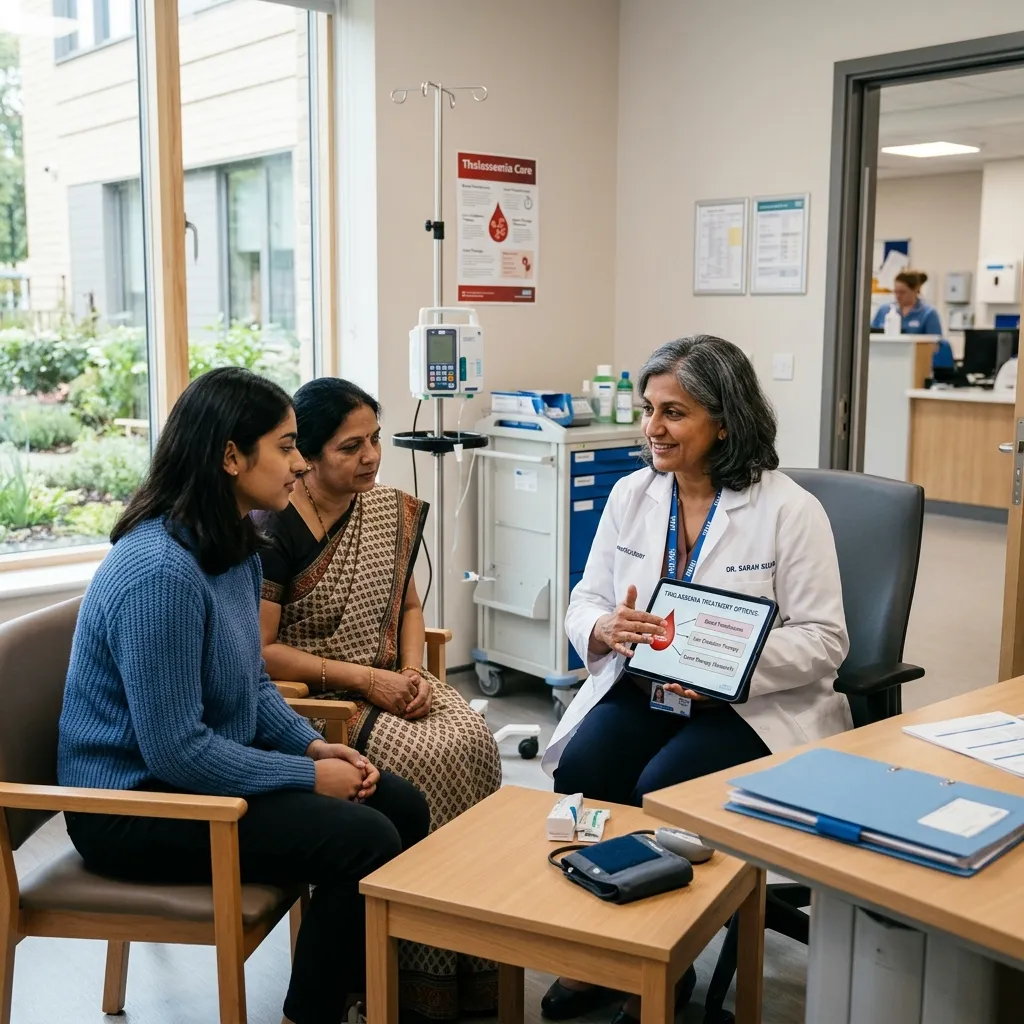
Defining a “Cure” in the Context of Thalassemia
A cure for thalassemia means achieving sustained transfusion independence with stable, healthy hemoglobin production—without ongoing medical intervention beyond monitoring. Both successful bone marrow transplant and gene therapy meet this definition when outcomes are sustained over years.
The distinction matters. A patient who achieves transfusion independence after Zynteglo but still requires annual monitoring is in a fundamentally different position than a patient managing thalassemia through monthly transfusions. Curative treatment for thalassemia changes the entire arc of a patient’s life.
Bone Marrow Transplant vs. Gene Therapy: Which Is Right for Whom?
Choose bone marrow transplant with a matched sibling donor if a compatible donor exists, the patient is young and classified as Pesaro Class I, and access to a transplant center is available. Outcomes in this scenario are excellent and represent decades of clinical experience.
Choose thalassemia gene therapy if no matched donor exists, the patient cannot tolerate the GVHD risk of an unrelated donor transplant, insurance or a treatment program covers the cost, and the patient is treated at a center with gene therapy infrastructure.
Neither option is universally superior. The right choice depends on donor availability, patient age and health status, financial access, and treatment goals.
Long-Term Outlook for Patients Receiving Curative Treatments
Patients who achieve cure through stem cell treatment for thalassemia typically experience profound improvements in quality of life. Iron overload stops accumulating. Organ function stabilizes or improves. The physical and psychological burden of chronic transfusion-dependent care lifts substantially.
Long-term follow-up is still required. Even after successful transplant or gene therapy, patients benefit from monitoring hemoglobin levels, iron stores, and organ health. Understanding coping with chronic illness stress remains relevant during and after the treatment journey, as the emotional adjustment to post-treatment life brings its own challenges.
Navigating the Treatment Landscape

How Do You Find Qualified Stem Cell Treatment Centers?
Stem cell transplant for thalassemia requires highly specialized facilities with dedicated pediatric hematology and transplant units. The National Institutes of Health (NIH) maintains resources for finding clinical trials and specialized treatment centers. The Thalassemia International Federation also provides country-specific referral guidance.
Gene therapy for thalassemia is only available at designated centers authorized by manufacturers. Patients and families should contact their treating hematologist to explore referral pathways.
Financial Considerations and Insurance Coverage
Bone marrow transplant costs vary by country and institution but routinely reach hundreds of thousands of dollars when including conditioning, hospitalization, and post-transplant monitoring. Gene therapy pricing—approaching $2.8 million per treatment—adds even greater financial complexity.
Many insurers require prior authorization and documentation of medical necessity. Manufacturers of approved gene therapies offer patient assistance programs and outcomes-based payment arrangements in some markets. Navigating this landscape requires a dedicated social worker or patient advocate.
Support Systems for Patients and Families
Patients pursuing curative treatment for thalassemia benefit from access to mental health support throughout the process. The physical demands of conditioning, transplant, and recovery are significant, and emotional preparation matters as much as medical preparation. Access to mental health support for patients during the treatment journey improves both adherence and overall outcomes.
Patient advocacy organizations, peer support networks, and family counseling resources all play a meaningful role in sustaining patients through what can be an arduous process.
1. What is stem cell treatment for thalassemia, and how does it work?
Stem cell treatment replaces defective blood-forming cells with healthy stem cells from a donor or genetically corrected patient cells. These healthy cells settle in the bone marrow and start producing normal hemoglobin. This process can significantly reduce or eliminate the need for regular blood transfusions.
2. What is the success rate of bone marrow transplant for thalassemia?
In ideal cases with a matched sibling donor and low-risk patients, success rates are very high. Overall survival can exceed 90%, with event-free survival above 80% in many studies. Outcomes depend heavily on age, health condition, and transplant center expertise.
3. Who is eligible for a bone marrow transplant for thalassemia?
Eligibility depends on age, disease severity, and availability of a matched donor. Younger patients without severe organ damage usually have the best outcomes. Doctors also assess overall health using risk classification systems before approval.
4. What is the difference between bone marrow transplant and thalassemia gene therapy?
Bone marrow transplant uses healthy donor stem cells to replace diseased cells. Gene therapy modifies the patient’s own stem cells in a laboratory setting. Gene therapy reduces donor dependency and lowers the risk of rejection.
5. Which gene therapies for thalassemia are currently FDA-approved?
Zynteglo (betibeglogene autotemcel) was FDA-approved in 2022 for beta-thalassemia. Casgevy (exagamglogene autotemcel) was approved in 2023 as a CRISPR-based therapy. Both aim to reduce or eliminate the need for lifelong blood transfusions.
6. What are the main risks of stem cell transplant for thalassemia?
Risks include graft-versus-host disease, infections, and organ complications. Patients may also experience side effects from conditioning chemotherapy. Careful monitoring is required to manage complications during recovery.
7. How long does recovery take after a stem cell transplant for thalassemia?
Initial stem cell engraftment usually occurs within two to four weeks. Full immune system recovery may take six to twelve months or longer. Patients need long-term follow-up to monitor health and complications.
8. Is curative treatment for thalassemia available without a matched donor?
Yes, gene therapy allows treatment using the patient’s own corrected stem cells.This removes the need for a donor match in many cases.Some unrelated donor transplant options also exist with varying success rates.
9. How does thalassemia gene therapy affect quality of life?
Patients often become transfusion-independent after successful treatment.This reduces hospital visits, iron overload, and long-term medication needs.Overall quality of life and emotional well-being improve significantly.
10. How much does stem cell treatment for thalassemia cost?
Bone marrow transplant can cost several hundred thousand dollars depending on location.Gene therapies may cost around $2.8 million in some healthcare systems.Insurance coverage and assistance programs can significantly affect final costs.