Future treatments for blood disorders include gene therapy, CRISPR-Cas9 editing, stem cell advances, CAR T-cell therapy, RNA-based therapies, and AI-driven personalized medicine.
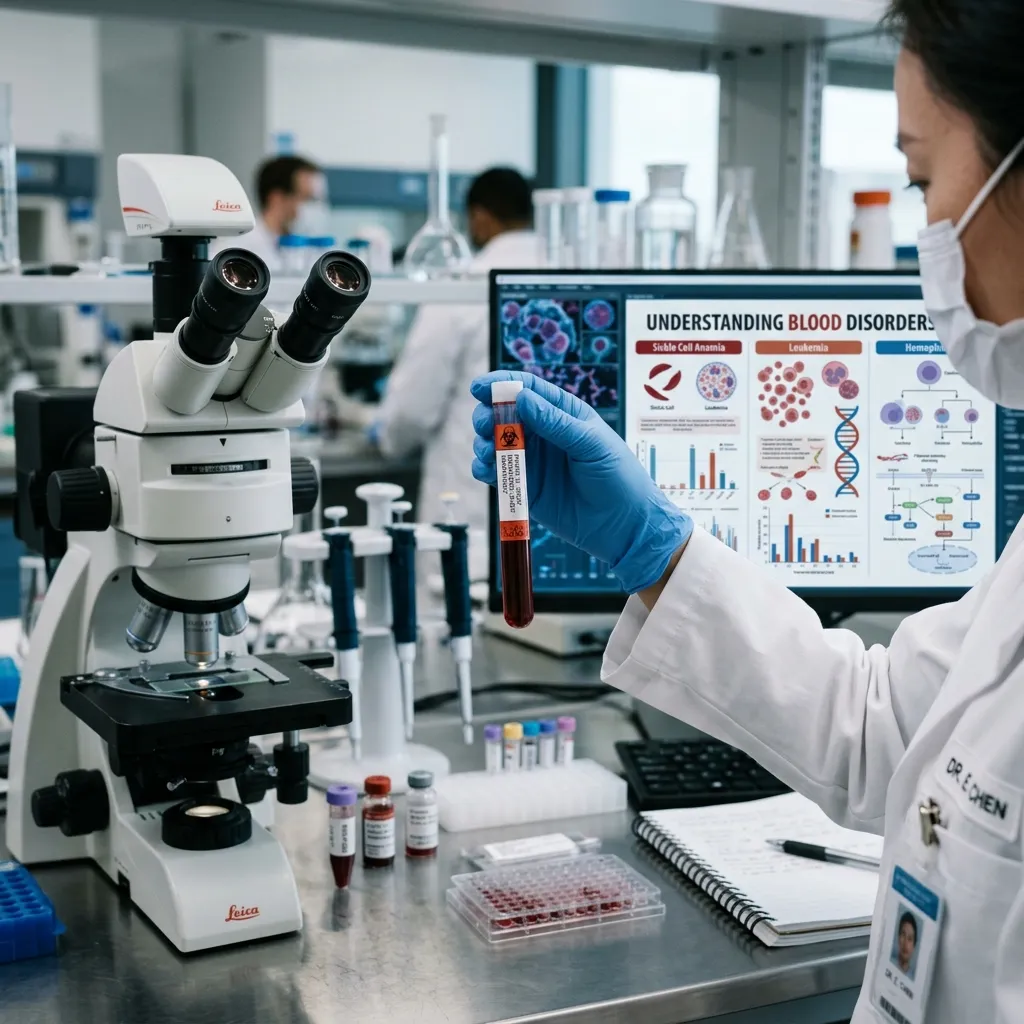 Blood disorders are conditions that affect the production, structure, or function of blood cells or the clotting system. They fall into several categories:
- Red blood cell disorders: Thalassemia, sickle cell disease, polycythemia vera
- White blood cell disorders: Leukemia, lymphoma, myeloma
- Platelet disorders: Thrombocytopenia, essential thrombocythemia
- Clotting disorders: Hemophilia, von Willebrand disease
Many of these conditions are genetic—meaning the root cause is written into the patient’s DNA. Traditional treatments address the downstream consequences of that defect rather than the defect itself. Transfusions replace missing red blood cells. Chemotherapy kills cancerous white blood cells. These approaches extend lives, but they carry significant burdens and cannot offer permanent correction.
The shift toward advanced treatment for blood diseases is fundamentally about changing that equation. Rather than compensating for a genetic error, next-generation therapies aim to correct, silence, or work around it entirely.
Gene Therapy for Blood Disorders: A Paradigm Shift
How Does Gene Therapy Work for Blood Disorders?
Gene therapy for blood disorders delivers a functional copy of a defective gene—or corrects the defect directly—into a patient’s own stem cells. These corrected cells are then reinfused, where they engraft in the bone marrow and begin producing healthy blood cells.
The most common approach uses a viral vector (typically a lentivirus) to carry the corrected gene into hematopoietic stem cells (HSCs) extracted from the patient. Because the corrected cells are the patient’s own, the risk of rejection is substantially lower than with donor transplantation.
For a detailed breakdown of how this process applies specifically to thalassemia, the complete guide to gene therapy for thalassemia covers the science, approved therapies, and eligibility criteria in full.
What Gene Therapy Successes Have Already Been Achieved?
Two gene therapies for beta-thalassemia are currently FDA-approved:
- Betibeglogene spartacus (Zynteglo) — Approved August 2022. Uses a lentiviral vector to insert a functional beta-globin gene. Clinical trials showed approximately 89% of eligible patients achieved transfusion independence.
- Exagamglogene autotemcel (Casgevy) — Approved December 2023. Uses CRISPR-Cas9 to reactivate fetal hemoglobin by editing the BCL11A gene. The CLIMB THAL-111 trial reported that 39 of 42 evaluable participants were transfusion-free during a continuous 12-month follow-up period, according to data presented at the 2023 American Society of Hematology annual meeting.
Casgevy was simultaneously approved for sickle cell disease, making it the first CRISPR-based therapy approved for any disease—a landmark moment in medical history.
What Are the Ethical and Accessibility Challenges of Gene Therapy?
Progress on the science has outpaced progress on access. Zynteglo and Casgevy both carry U.S. list prices of approximately $2.8 million per treatment. For the majority of thalassemia patients globally—many of whom live in low- and middle-income countries where disease burden is highest—these therapies remain financially inaccessible.
Germline editing (changes that would be inherited by future generations) remains prohibited in clinical settings. Current approved therapies modify only somatic cells and do not alter the heritable genome. That boundary is clear today, though it will require ongoing vigilance as gene editing tools become more powerful.
Stem Cell Treatment for Blood Disorders: Beyond Bone Marrow Transplants
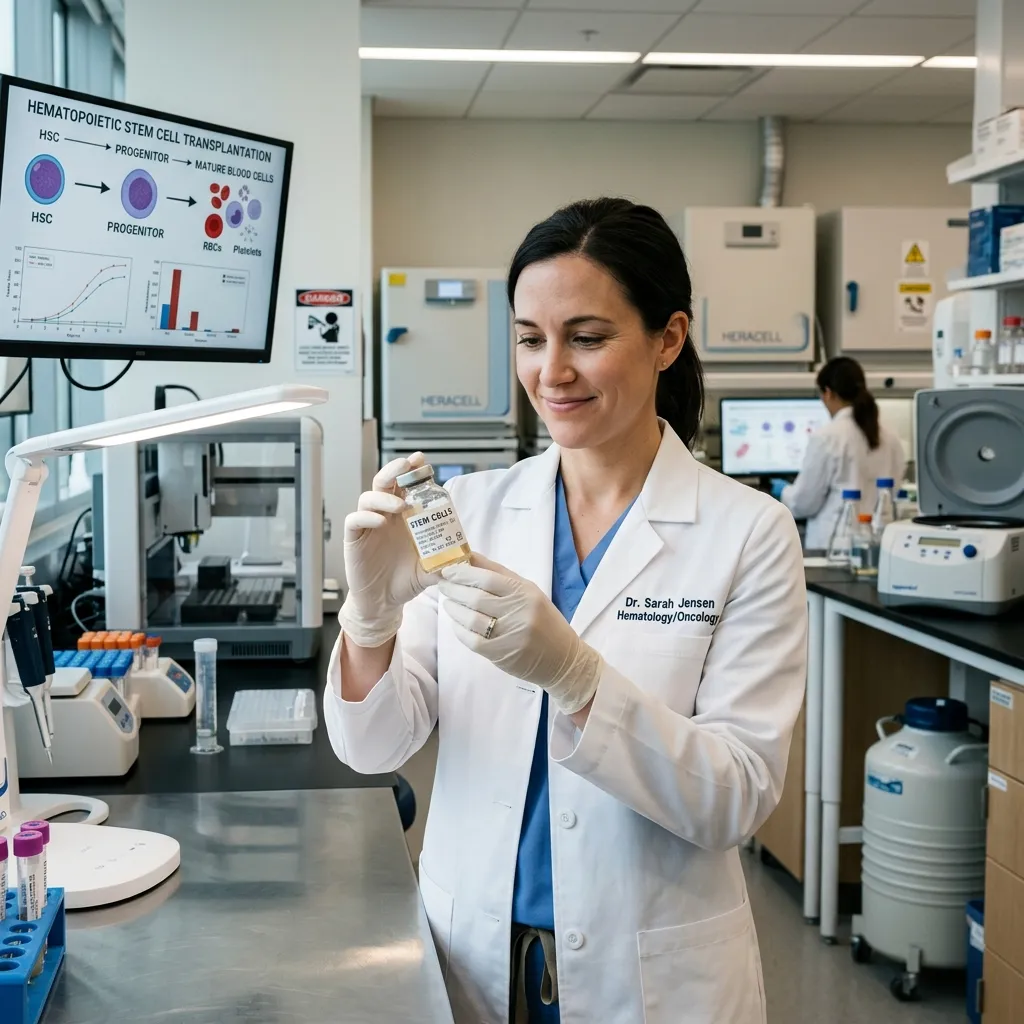
How Has Stem Cell Research Advanced Beyond Traditional Transplantation?
Bone marrow transplant has been available since the 1970s and remains one of the most reliable curative options for eligible patients. For thalassemia patients with a matched sibling donor, event-free survival rates exceed 80%, with overall survival above 90% in Class I patients. That is a strong clinical foundation.
But traditional transplantation requires a matched donor—a barrier that excludes many patients. Research into alternative stem cell approaches is directly addressing that limitation.
The stem cell treatment for thalassemia guide explores how both allogeneic (donor) and autologous (patient’s own corrected) approaches compare, including a step-by-step breakdown of the transplant process and recovery.
What Is the Potential of Induced Pluripotent Stem Cells (iPSCs)?
Induced pluripotent stem cells (iPSCs) represent one of the most significant advances in regenerative medicine. iPSCs are adult cells (typically skin or blood cells) that have been reprogrammed back to an embryonic-like state, giving them the ability to develop into almost any cell type in the body.
For blood disorders, iPSCs offer a tantalizing possibility: generating patient-specific blood-forming cells in the laboratory without requiring a donor. The patient’s own cells—corrected using gene editing—could theoretically supply an unlimited source of healthy stem cells for transplantation.
iPSC-based therapies for blood disorders are currently in preclinical and early-phase clinical development. The manufacturing challenges are significant—producing consistent, safe, clinically viable cells at scale remains a major hurdle. But the scientific rationale is sound, and investment in this area is growing rapidly.
What Challenges Does Stem Cell Therapy Still Face?
Graft-versus-host disease (GVHD) remains the most serious complication of allogeneic transplantation. Advances in HLA matching, improved conditioning regimens, and better GVHD prophylaxis have reduced rates considerably, but the risk has not been eliminated. Unrelated donor and cord blood transplants carry higher GVHD risk than matched sibling transplants.
Engraftment failure—where transplanted cells do not successfully establish in the bone marrow—occurs in a minority of cases and may require a second transplant or alternative treatment.
CRISPR-Cas9 Technology: Precision Gene Editing
How Does CRISPR-Cas9 Work in Blood Disorder Treatment?
CRISPR-Cas9 is a molecular tool that acts like a pair of genetic scissors. The Cas9 protein cuts DNA at a specific location guided by a short RNA sequence. At that cut site, the cell’s natural repair machinery either disables the gene or allows a new sequence to be inserted.
In blood disorders, CRISPR has been applied most successfully to reactivate fetal hemoglobin—a form of hemoglobin that the body naturally switches off after birth. Fetal hemoglobin compensates effectively for the defective adult hemoglobin in both thalassemia and sickle cell disease. By editing BCL11A (the gene responsible for silencing fetal hemoglobin), Casgevy essentially flips the switch back on.
What Are the Safety Concerns Around CRISPR Editing?
Off-target effects—where CRISPR edits unintended locations in the genome—represent the primary safety concern. Early clinical data suggest the risk is low, but long-term surveillance is ongoing for all treated patients.
Next-generation editing platforms including base editing and prime editing are being developed specifically to reduce off-target risk. These tools make more precise, smaller-scale corrections without cutting both DNA strands, which reduces the risk of unintended genomic disruption.
Advanced Treatment for Blood Diseases: Novel Drug Development
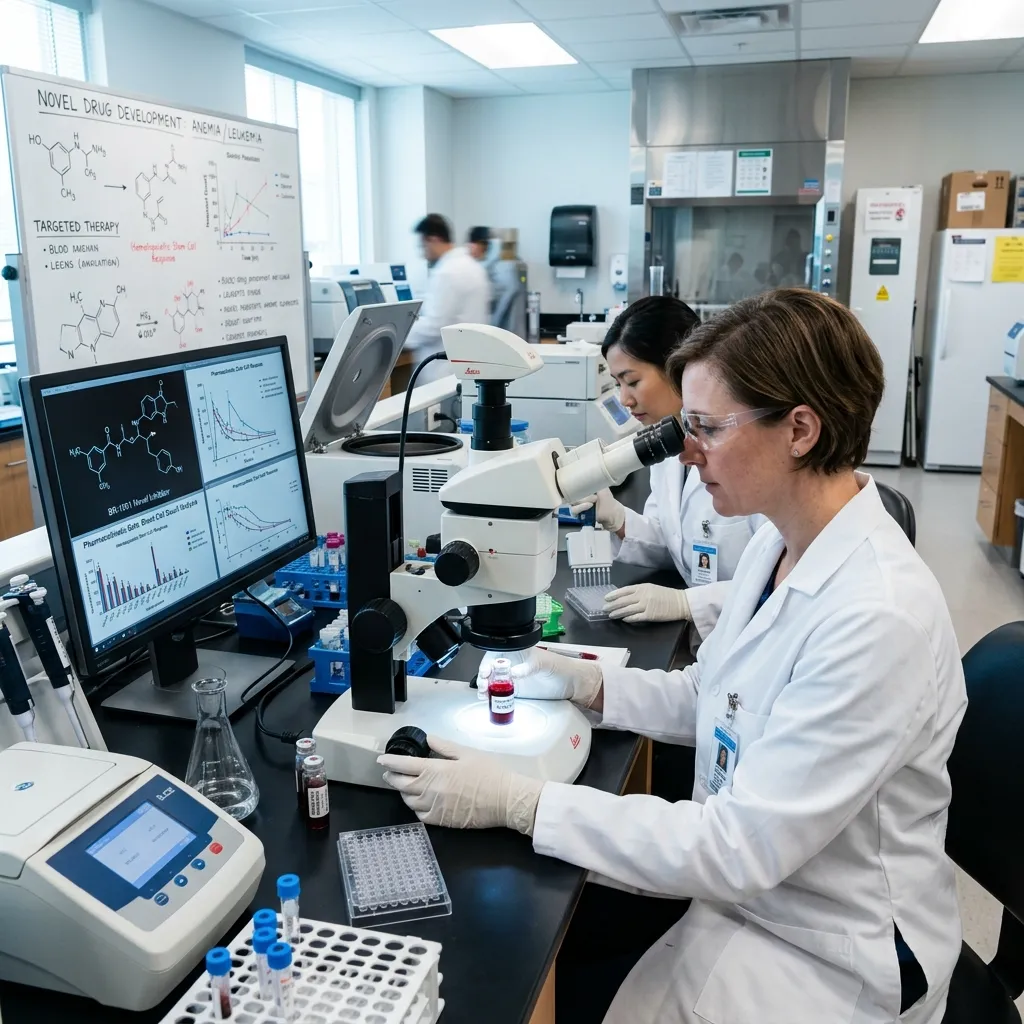
What Are Targeted Therapies and How Do They Differ From Traditional Chemotherapy?
Traditional chemotherapy attacks all rapidly dividing cells—cancerous and healthy alike—which explains its severe side effects. Targeted therapies identify specific molecular features unique to cancer cells and attack those features directly.
In leukemia, drugs like imatinib (Gleevec) target the BCR-ABL fusion protein created by the Philadelphia chromosome translocation in chronic myeloid leukemia. Venetoclax targets BCL-2, a protein that prevents cancer cells from dying naturally. These drugs produce high response rates with significantly fewer side effects than conventional chemotherapy.
For sickle cell disease, voxelotor (Oxbryta) received FDA approval by targeting hemoglobin S directly—reducing sickling and improving red blood cell survival. These precision approaches represent a template for the next generation of emerging therapies for blood disorders.
How Is Immunotherapy Transforming Blood Cancer Treatment?
CAR T-cell therapy (Chimeric Antigen Receptor T-cell therapy) extracts a patient’s T-cells, engineers them in the laboratory to recognize cancer-specific proteins, and reinfuses them. The modified T-cells then hunt and destroy cancer cells throughout the body. Multiple CAR T-cell therapies are now FDA-approved for B-cell lymphoma, multiple myeloma, and acute lymphoblastic leukemia.
Checkpoint inhibitors work by removing molecular “brakes” that cancer cells exploit to hide from the immune system. Drugs targeting PD-1, PD-L1, and CTLA-4 have demonstrated remarkable responses in Hodgkin’s lymphoma and are being studied across a range of hematological malignancies.
What Role Do RNA-Based Therapies Play in Future Blood Disorder Treatment?
RNA-based therapies represent one of the most dynamic frontiers in medicine, moving from the gene level to the messenger molecule level.
Antisense oligonucleotides (ASOs) are short synthetic strands of DNA or RNA that bind to specific messenger RNA molecules, blocking the production of harmful proteins. ASO therapies are currently approved for other rare genetic conditions and are being investigated for blood disorders including certain forms of myelodysplastic syndrome.
siRNA (small interfering RNA) therapies use double-stranded RNA molecules to silence specific genes. Givosiran, an siRNA therapy for acute hepatic porphyria (a rare blood disorder), received FDA approval in 2019, demonstrating that RNA-based approaches can work in real-world patients. Research is expanding this approach to thalassemia and sickle cell disease, particularly targeting genes involved in iron regulation and erythropoiesis.
Personalized Medicine: Tailoring Treatment to the Individual
How Does Genetic Profiling Change Treatment Planning for Blood Disorders?
No two patients with the same diagnosis are genetically identical. The specific mutation causing beta-thalassemia in one patient may respond differently to treatment than another patient’s mutation. Genetic profiling maps these individual differences, allowing clinicians to predict which therapies are likely to be most effective—and which are more likely to cause harm.
Biomarker identification extends this concept beyond genetics to proteins, metabolites, and other measurable signals that indicate disease activity or treatment response. Identifying reliable biomarkers enables earlier diagnosis, better monitoring, and more precise treatment adjustment over time. For patients already managing their condition, structured monitoring is essential—a long-term blood monitoring plan provides a framework for maintaining that vigilance effectively.
How Does Pharmacogenomics Optimize Drug Selection?
Pharmacogenomics studies how an individual’s genetic makeup affects their response to drugs. For blood disorder patients who often take multiple medications simultaneously, this information reduces the trial-and-error of finding effective doses and predicts which patients are at risk for serious drug interactions or side effects.
In oncology, pharmacogenomic testing before chemotherapy can identify patients who will metabolize certain drugs too slowly (risking toxicity) or too quickly (reducing effectiveness). This approach is increasingly standard in academic medical centers and is expanding into community settings.
What Role Does Artificial Intelligence Play in Personalized Blood Disorder Treatment?
Artificial intelligence enables clinicians to process volumes of patient data that no human team could meaningfully analyze alone. AI algorithms can identify patterns across thousands of genetic profiles, treatment histories, and outcomes to predict which therapeutic approach is most likely to succeed for a given patient.
The National Institutes of Health (NIH) is actively funding research into AI-driven clinical decision tools across hematology. These systems do not replace physician judgment—they sharpen it by surfacing relevant data and probabilities at the point of care. AI also accelerates drug discovery by modeling molecular interactions at a scale that compresses years of laboratory work into months.
The Importance of Regular Monitoring and Holistic Care in Future Treatments
 Breakthrough therapies do not eliminate the need for ongoing care. They transform it. Even after successful gene therapy or stem cell transplantation, patients require structured follow-up to confirm engraftment, monitor iron levels, assess organ function, and track long-term vector safety.
Holistic care models recognize that blood disorders carry psychological weight alongside physical burden. The anxiety, depression, and social isolation that accompany chronic treatment are well-documented and clinically significant. Addressing emotional wellbeing alongside medical management consistently improves both treatment adherence and quality of life. For a practical resource on how psychological care integrates into thalassemia management, the guide on holistic thalassemia care plans outlines the key pillars of comprehensive patient-centered care.
According to the World Health Organization (WHO), blood disorders represent a significant and underaddressed global health burden. As advanced treatments become more available, building healthcare systems capable of delivering them equitably—and supporting patients through the full arc of treatment—is as important as the science itself.