What is Thalassemia and How Does Gene Therapy Offer Hope?
What exactly is Thalassemia?
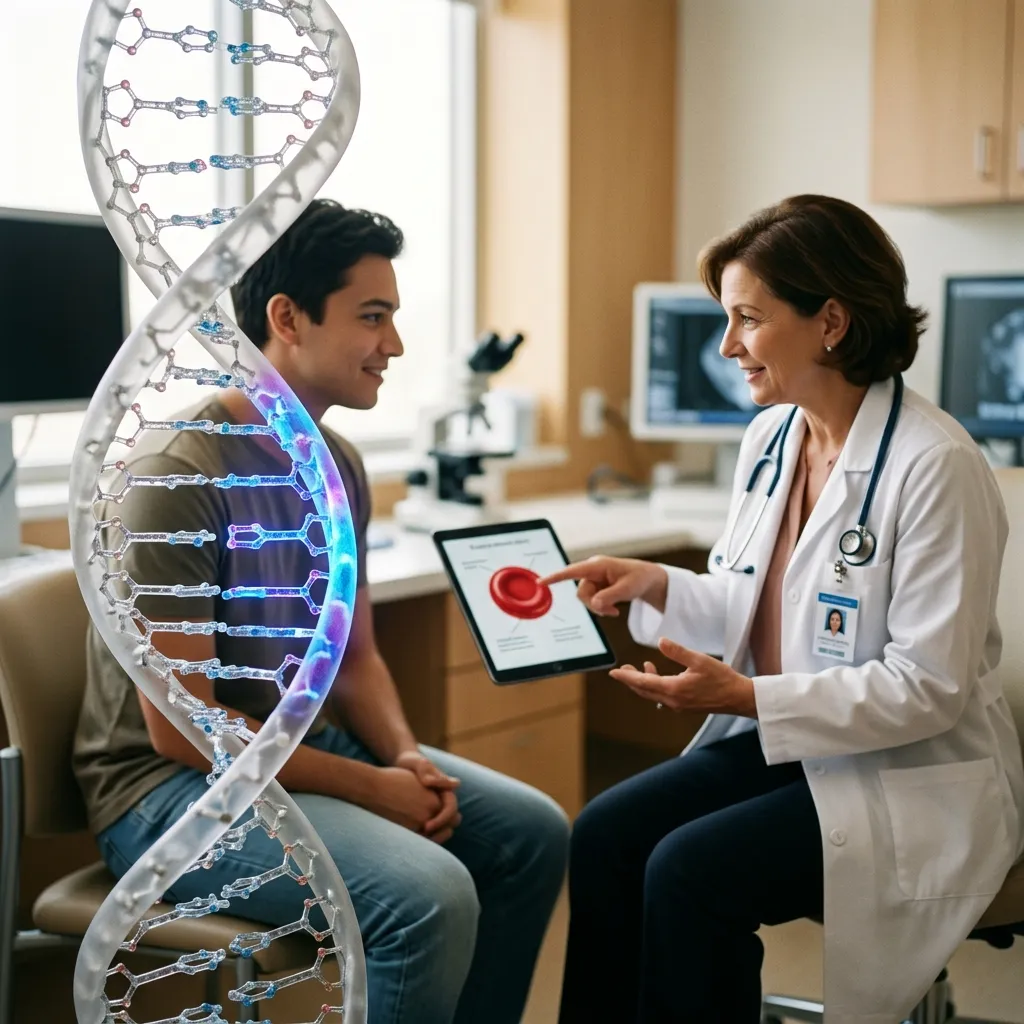
Thalassemia is an inherited blood disorder caused by genetic mutations. These mutations prevent the body from producing enough healthy hemoglobin. Hemoglobin is the vital protein in red blood cells that carries oxygen to tissues and organs. When hemoglobin levels drop, patients experience severe anemia. Beta thalassemia major is the most severe form, requiring constant medical intervention for survival.
What are the current treatments and their limitations?
The standard of care for severe thalassemia involves blood transfusions every two to four weeks. While transfusions temporarily restore oxygen levels, they introduce a massive influx of iron into the body. Patients must undergo iron chelation therapy to remove this excess iron and prevent fatal organ damage.
Traditional bone marrow transplants can cure the disorder. However, transplants require a perfectly matched donor. Many patients never find a suitable match, leaving them dependent on lifelong transfusions. The psychological impact of thalassemia also takes a heavy toll, as patients constantly navigate hospital visits and medical anxiety.
What is the promise of gene therapy for thalassemia?
Gene therapy for thalassemia aims to fix the genetic error directly within the patient’s own body. Because the treatment uses the patient’s own cells, it eliminates the need for a matched donor. By providing a permanent genetic correction, this approach can free patients from the burden of regular transfusions and iron chelation therapy.
What is the Science Behind Gene Therapy?
How do genes and genetic disorders function?
Genes act as instruction manuals for the body. They tell cells how to build essential proteins. In thalassemia, the instructions for building the beta-globin chain of hemoglobin are defective. This genetic error causes the bone marrow to produce deformed red blood cells that die prematurely.
How does gene therapy work as a basic overview?
Gene therapy fundamentally changes the patient’s cellular instructions. Doctors harvest hematopoietic stem cells from the patient. In a highly specialized laboratory, scientists modify these cells to produce functional hemoglobin. Once the cells are corrected, doctors reinfuse them into the patient’s bloodstream. These cells migrate to the bone marrow and begin manufacturing healthy red blood cells.
What are viral vectors and gene editing?
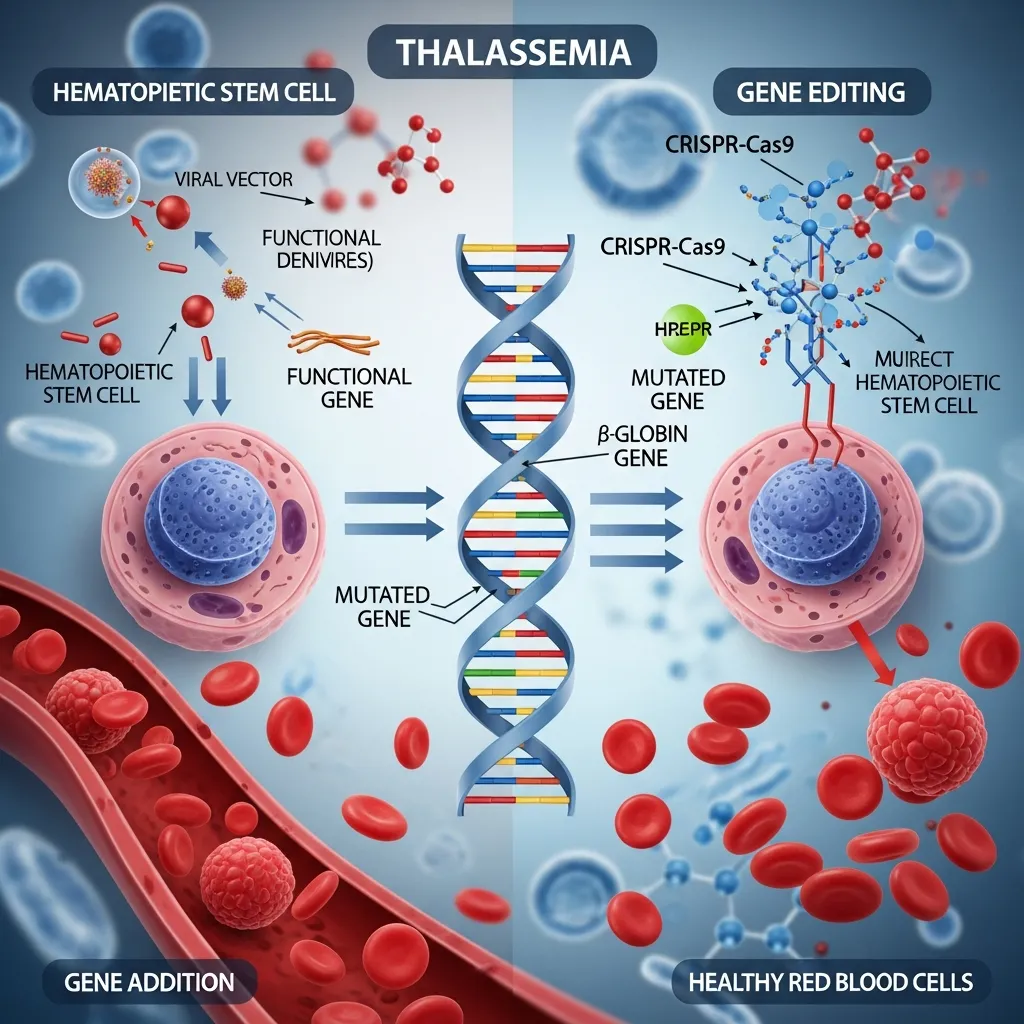
Scientists use two primary methods to fix the genetic code. The first method uses viral vectors. A harmless virus acts as a delivery vehicle to insert a functional copy of the beta-globin gene directly into the stem cell’s DNA. The second method uses CRISPR-Cas9 technology to edit the existing genetic code. Rather than adding a new gene, CRISPR acts like molecular scissors to modify specific DNA sequences.
What are the Types of Gene Therapy Approaches for Thalassemia?
How does gene addition therapy replace the faulty gene?
Gene addition therapy uses a lentiviral vector to deliver a healthy beta-globin gene. Betibeglogene autotemcel (Zynteglo) is a prominent example of this approach. The FDA approved Zynteglo in August 2022.
Ex-vivo vs. In-vivo Approaches:
Current thalassemia therapies use an ex-vivo approach. This means the stem cells are extracted, modified outside the body in a lab, and then transplanted back. In-vivo therapies modify genes directly inside the body, but this method is not currently used for thalassemia.
How does CRISPR-Cas9 achieve precision at the genetic level?
CRISPR treatment for thalassemia takes a highly targeted approach. Exagamglogene autotemcel (Casgevy), approved by the FDA in December 2023, uses CRISPR-Cas9 technology.
How CRISPR Works in Thalassemia:
Instead of fixing the broken adult hemoglobin gene, CRISPR edits a specific gene called BCL11A. This gene normally shuts off the production of fetal hemoglobin shortly after birth. By disabling BCL11A, the therapy reactivates fetal hemoglobin. Fetal hemoglobin compensates for the defective adult hemoglobin perfectly.
Advantages and Challenges of CRISPR Treatment:
CRISPR treatment for thalassemia offers extreme precision without using viral vectors. However, scientists must continually monitor for “off-target” edits, where the molecular scissors accidentally cut the wrong section of DNA.
How does stem cell gene editing for thalassemia combine approaches?
Stem cell gene editing for thalassemia blends the restorative power of stem cells with advanced genetic modification. By isolating the patient’s own blood-forming stem cells, scientists ensure the body will not reject the modified cells. This combination forms the foundation for all modern stem cell treatment for thalassemia.
What is the Progress of Gene Therapy Clinical Trials?
What is the overview of current thalassemia gene therapy clinical trials?
Clinical research has accelerated rapidly over the last five years. Thalassemia gene therapy clinical trials focus heavily on tracking patient outcomes, monitoring vector safety, and measuring hemoglobin production. Researchers evaluate patients over long periods to ensure the genetic correction remains stable.
What are the key milestones and success stories?
The HGB-207 and HGB-212 clinical trials for Zynteglo showed that 89% of eligible patients achieved transfusion independence. According to the CLIMB THAL-111 trial data, 39 out of 42 evaluable patients receiving Casgevy remained transfusion-free for at least 12 consecutive months.
What challenges remain in clinical development?
The primary clinical challenge involves making the conditioning phase safer. Patients must undergo high-dose chemotherapy to clear out their old bone marrow before receiving the new cells. Researchers are exploring non-toxic conditioning methods to reduce the physical toll on the body.
What Can Patients Expect During the Treatment Journey?
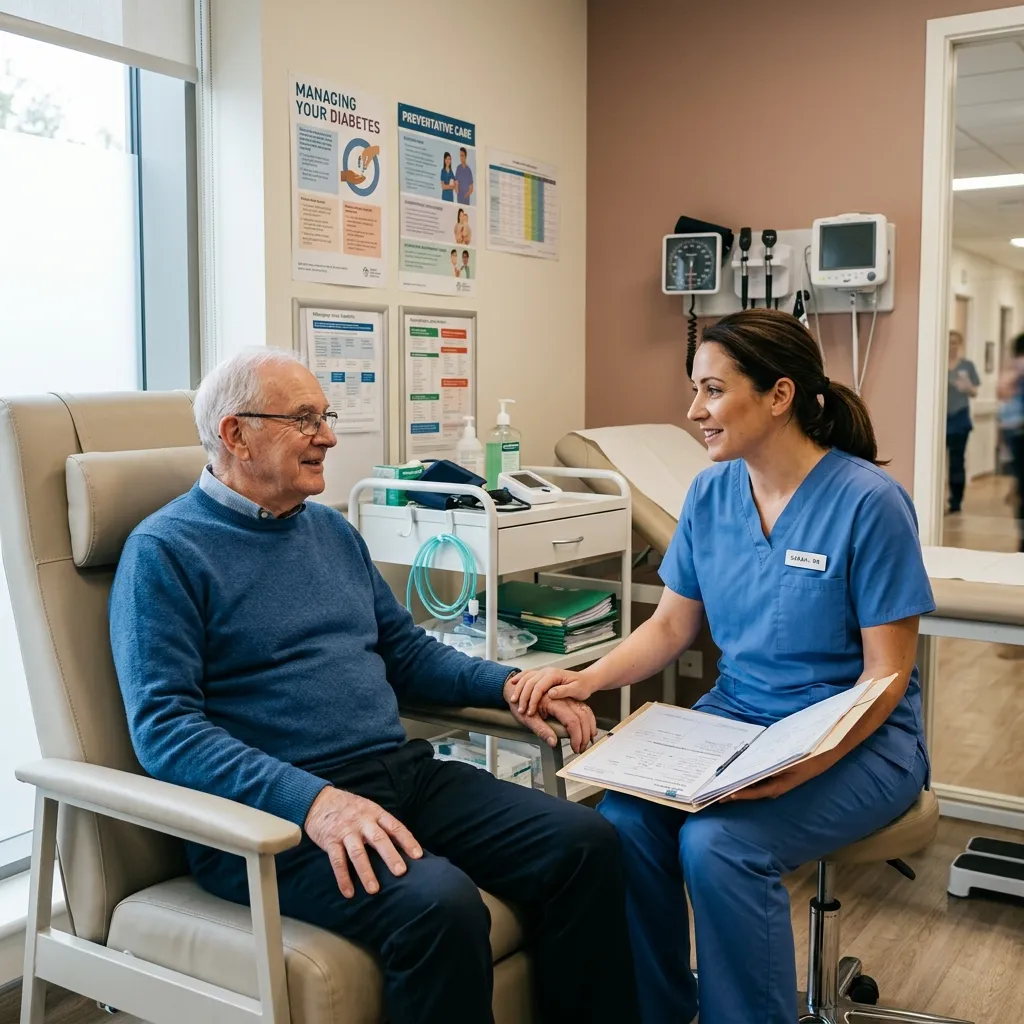
What are the eligibility criteria for gene therapy?
Patients must undergo rigorous medical evaluations to qualify. Doctors assess liver health, heart function, and iron overload levels. Currently, approved therapies are typically reserved for patients aged 12 and older who have transfusion-dependent beta thalassemia and lack a matched bone marrow donor.
What is the treatment process from diagnosis to care?
- Cell Collection: Doctors use a machine to filter stem cells from the patient’s blood.
- Laboratory Modification: The cells travel to a lab where they undergo genetic correction. This process takes several weeks.
- Conditioning: The patient enters the hospital for myeloablative chemotherapy to prepare the bone marrow.
- Infusion: Doctors reinfuse the modified cells through an intravenous line.
- Engraftment: The patient remains in the hospital for several weeks while the new cells begin producing healthy blood.
What are the potential side effects and management?
The chemotherapy conditioning phase causes significant side effects. Patients experience fatigue, nausea, and a highly compromised immune system. There is also a substantial risk of infertility. Healthcare teams monitor patients closely to manage infections and provide supportive care during the vulnerable engraftment period.
What are the Benefits and Risks of Gene Therapy?
How does gene therapy offer transformative benefits?
The most profound benefit of gene therapy for thalassemia is the potential elimination of blood transfusions. Patients who achieve transfusion independence experience a dramatic improvement in energy levels and overall quality of life. They no longer need to schedule their lives around hospital visits.
What are the potential risks and long-term considerations?
Because gene therapy permanently alters cellular DNA, long-term monitoring is mandatory. The FDA requires patients to participate in 15-year follow-up studies. Risks include insertional mutagenesis, where the viral vector disrupts a healthy gene, potentially leading to blood cancers.
What are the ethical considerations?
Current gene therapies only edit somatic (body) cells. This means the genetic changes will not be passed down to the patient’s future children. Germline editing, which alters inheritable DNA, remains strictly prohibited in human clinical applications.
How Does Gene Therapy Compare to Traditional Treatments?
How does it compare to transfusions and chelation therapy?
Choose traditional transfusions if a patient is too fragile to survive conditioning chemotherapy. However, traditional therapy requires lifelong adherence and carries a high risk of fatal iron overload over time. Gene therapy offers an exit from this relentless cycle.
How does it compare to bone marrow transplants?
Choose a traditional bone marrow transplant if the patient is young and has a perfectly matched sibling donor. Matched sibling transplants boast survival rates exceeding 90%. Choose gene therapy if the patient lacks a matched donor, as it completely eliminates the risk of graft-versus-host disease.
Can gene therapy serve as a potential cure?
While medical professionals use the word “cure” cautiously, gene therapy serves as a curative treatment. It directly addresses the genetic root cause, leading to sustained, independent hemoglobin production.
What is the Future Landscape of Thalassemia Treatment?

What are the emerging technologies and research directions?
Scientists are pushing beyond CRISPR-Cas9 toward base editing and prime editing. These next-generation tools can change individual DNA letters without breaking the DNA strands. This innovation will make stem cell gene editing for thalassemia even safer. Read more about these upcoming breakthroughs in our guide on future treatments for blood disorders.
How will we address accessibility and affordability?
Affordability is the largest barrier to access. Treatments like Zynteglo and Casgevy cost approximately $2.8 million per patient. Healthcare systems are working on outcomes-based payment models to make these therapies financially viable.
What is the role of patient advocacy and support?
Organizations like the Thalassemia International Federation are vital for expanding access. They push for better insurance coverage, fund ongoing research, and provide crucial educational resources for affected families.
Conclusion
Gene therapy for thalassemia marks a monumental achievement in modern medicine. The transition from lifelong symptom management to single-intervention genetic correction changes the entire trajectory of a patient’s life. While high costs and conditioning risks require careful navigation, the reality of a transfusion-free future is now accessible for many patients. Through continued clinical trials and sustained monitoring, including regular checkups, the medical community continues to refine these therapies, bringing hope to families worldwide.
Frequently Asked Questions (FAQs)
1. What is gene therapy for thalassemia?
Gene therapy for thalassemia is a medical treatment that extracts a patient’s stem cells, modifies them to correct the genetic defect causing the disease, and reinfuses them back into the body to restore healthy hemoglobin production.
2. Is gene therapy a cure for thalassemia?
Yes, gene therapy acts as a curative treatment. Patients who successfully undergo the procedure often achieve lifelong transfusion independence, though doctors continue to monitor their long-term health.
3. What are the different types of gene therapy for thalassemia?
The two main types are lentiviral gene addition (which inserts a healthy beta-globin gene) and CRISPR-Cas9 gene editing (which edits existing DNA to reactivate fetal hemoglobin).
4. Are there any gene therapy clinical trials for thalassemia?
Yes, thalassemia gene therapy clinical trials are ongoing globally. These trials track the long-term safety of approved drugs and test next-generation gene editing tools like base editing.
5. What is CRISPR treatment for thalassemia?
CRISPR treatment for thalassemia is a specific gene-editing method that acts like molecular scissors. It disables a specific gene (BCL11A) to turn fetal hemoglobin production back on, replacing the defective adult hemoglobin.
6. How does stem cell gene editing for thalassemia work?
Stem cell gene editing for thalassemia involves harvesting a patient’s own blood-forming stem cells, altering their genetic code in a lab, and transplanting them back into the patient’s bone marrow to produce healthy red blood cells.
7. What are the risks associated with gene therapy?
Risks include severe side effects from the required chemotherapy conditioning, the possibility of the modified cells failing to engraft, and a low risk of genetic mutations that could trigger secondary blood disorders.
8. How long do the effects of gene therapy last?
Current clinical data indicates that the effects are likely permanent. Because the therapy modifies self-renewing stem cells, the corrected cells continue to replicate and produce healthy hemoglobin indefinitely.
9. Is gene therapy accessible to all thalassemia patients?
No. Currently, gene therapy is limited by extreme costs (often exceeding $2.8 million), specific age and health eligibility requirements, and the need for highly specialized medical centers.
10. Where can I find more information about gene therapy for thalassemia?
You can consult your hematologist, explore the resources provided by the Thalassemia International Federation, or read FDA publications regarding recently approved therapies like Zynteglo and Casgevy.