The psychological impact of thalassemia extends beyond physical symptoms, affecting emotional well-being, relationships, education, and daily life. Understanding mental health challenges and adopting effective coping strategies can help patients and families improve resilience, quality of life, and long-term health outcomes.
Thalassemia is a lifelong inherited blood disorder that affects millions of people worldwide. While much attention is given to the physical complications of the disease, the psychological impact of thalassemia is often overlooked. Individuals living with thalassemia frequently face emotional, social, and mental health challenges that can significantly influence their overall quality of life.
Regular blood transfusions, ongoing medical appointments, concerns about future health, and the burden of managing a chronic condition can create substantial emotional stress. These challenges affect not only patients but also their families, caregivers, and support networks.
Understanding the psychological impact of thalassemia is essential for providing comprehensive care. Mental and emotional well-being play a crucial role in treatment adherence, social development, academic success, career growth, and overall life satisfaction.
This guide explores the various psychological effects of thalassemia, factors that contribute to emotional distress, and practical strategies for improving mental health and resilience.
Understanding Thalassemia Beyond Physical Symptoms
 Thalassemia is commonly associated with anemia, blood transfusions, iron overload, and other medical complications. However, living with a chronic illness involves much more than managing physical symptoms.
Many patients experience ongoing concerns related to:
- Frequent hospital visits
- Dependence on medical treatment
- Physical appearance changes
- Social acceptance
- Educational challenges
- Career planning
- Financial burdens
- Future family planning
Because these issues can persist throughout life, the psychological impact of thalassemia often becomes a significant aspect of the patient experience.
In addition to managing symptoms, patients must learn to navigate emotional and social challenges that may arise at different stages of life.
The Emotional Burden of a Chronic Condition
One of the most common aspects of the psychological impact of thalassemia is the emotional burden associated with living with a lifelong medical condition.
Patients may experience:
- Fear of complications
- Frustration with treatment schedules
- Feelings of isolation
- Uncertainty about the future
- Emotional exhaustion
Children diagnosed at a young age often grow up knowing that regular medical treatment is a permanent part of their lives. This reality can create stress and anxiety, particularly during adolescence and young adulthood when independence becomes increasingly important.
Anxiety and Thalassemia
Anxiety is among the most frequently reported mental health concerns in people with thalassemia.
Common sources of anxiety include:
- Upcoming medical procedures
- Blood transfusions
- Test results
- Iron overload complications
- Concerns about long-term health
- Financial stress related to treatment
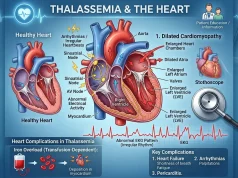
Some individuals may experience persistent worry about disease progression or the possibility of developing complications such as heart, liver, or endocrine disorders.
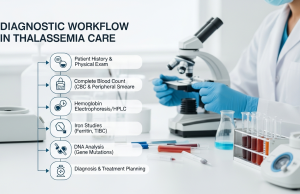
For patients undergoing regular monitoring, understanding the importance of routine thalassemia checkups can help reduce uncertainty and promote confidence in long-term disease management.
Depression and Emotional Distress
Depression can significantly contribute to the psychological impact of thalassemia.
Symptoms may include:
- Persistent sadness
- Loss of motivation
- Feelings of hopelessness
- Reduced interest in activities
- Fatigue
- Difficulty concentrating
Living with a chronic illness can sometimes create feelings of being different from peers. Repeated hospital visits and treatment requirements may interfere with social activities, education, and personal goals, increasing the risk of depressive symptoms.
Early recognition and professional support are essential for managing depression effectively.
Psychological Impact of Thalassemia in Children
 Children with thalassemia often face unique emotional challenges.
They may struggle with:
- Missing school due to medical appointments
- Feeling different from classmates
- Reduced participation in sports
- Fear of medical procedures
- Social stigma
Parents play a critical role in helping children develop healthy coping mechanisms and positive self-esteem.
Healthcare teams should also provide age-appropriate education to help children understand their condition without becoming overwhelmed.
Impact on Adolescents and Young Adults
Adolescence can be particularly challenging for individuals living with thalassemia.
Young people may become increasingly concerned about:
- Physical appearance
- Independence
- Social relationships
- Career opportunities
- Future family planning
At this stage, the psychological impact of thalassemia often extends beyond medical concerns and begins affecting identity formation and self-confidence.
Supportive counseling and peer support groups can be especially beneficial during this period.
Social Isolation and Relationship Challenges
Many individuals with thalassemia report feeling isolated or misunderstood.
Factors contributing to social difficulties include:
- Frequent absences from school or work
- Fatigue
- Hospital visits
- Limited awareness among peers
- Concerns about disclosure
These challenges may affect friendships, romantic relationships, and social participation.
Open communication and education can help reduce stigma and improve social support.
Body Image and Self-Esteem Concerns
Physical changes associated with thalassemia or its complications may affect self-esteem.
Some individuals experience concerns related to:
- Delayed growth
- Bone changes
- Treatment-related side effects
- Visible medical devices
- Surgical scars
Negative body image can contribute significantly to the psychological impact of thalassemia, particularly during adolescence.
Encouraging positive self-image and focusing on strengths beyond physical appearance can improve emotional well-being.
 The psychological impact of thalassemia extends far beyond the patient, deeply affecting parents, siblings, and caregivers. In many cases, families become the primary support system, responsible for managing daily care routines, medical appointments, emotional reassurance, and long-term planning.
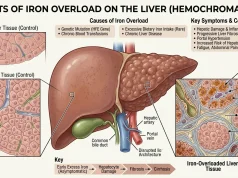
 Iron overload is a common complication in transfusion-dependent thalassemia and can affect multiple organs if not properly managed. Because treatment requires long-term monitoring, it can also contribute to emotional stress.
Mental health support should be considered an essential component of thalassemia management. Living with a chronic blood disorder often requires long-term emotional adjustment, and patients benefit greatly when psychological care is integrated into routine medical treatment.
Many healthcare providers now advocate for holistic thalassemia care plans that address both physical and psychological needs. A structured and patient-centered approach helps reduce stress, improve treatment adherence, and enhance overall quality of life.
Comprehensive care may include:
- Medical treatment and regular transfusions
- Counseling services and psychological support
- Nutritional support to maintain energy and immunity
- Educational resources for patients and families
- Social support programs and peer group engagement
- Regular monitoring of health parameters
When patients follow a structured approach such as a holistic thalassemia care plan, they often experience better emotional stability and reduced anxiety because their care becomes more predictable and organized.
Addressing emotional well-being alongside medical care often leads to better overall outcomes, including improved self-confidence, stronger family relationships, and better long-term disease management.
Advances Offering Hope
Medical advances continue to improve the outlook for people with thalassemia. Over the past decade, research has moved toward more targeted and curative approaches that reduce both physical and psychological burden.
Innovative treatments such as gene therapy for thalassemia offer hope for reducing treatment dependence, decreasing transfusion frequency, and improving long-term quality of life. Although still evolving, these therapies represent a major step forward in modern hematology.
For more details on advanced treatment approaches, patients and caregivers can explore gene therapy for thalassemia, which explains how emerging technologies may change future disease management.
For evidence-based information about mental health and chronic disease management, readers can also explore resources from the World Health Organization (WHO), which provides global health guidelines and research updates.
Patients and families may also benefit from educational materials provided by the Centers for Disease Control and Prevention (CDC), which offers reliable information about blood disorders and long-term health monitoring.
Strategies for Managing the Psychological Impact of Thalassemia
 Effective coping strategies play a key role in reducing the psychological impact of thalassemia and improving day-to-day emotional well-being. While medical treatment addresses physical symptoms, psychological strategies help patients maintain motivation, resilience, and a positive outlook on life.
Effective coping strategies include:
- Seeking professional counseling or therapy
- Joining patient support groups for shared experiences
- Practicing stress-management techniques such as meditation or breathing exercises
- Maintaining strong family and social relationships
- Staying informed about treatment options and disease progress
- Setting realistic short-term and long-term goals
- Celebrating personal achievements, no matter how small
- Maintaining a balanced daily routine with rest and activity
Regular health awareness also plays an important role in emotional stability. Patients who follow regular thalassemia checkups are often less anxious because they receive timely updates about their health status and can prevent complications before they become severe. This consistent monitoring helps reduce uncertainty, which is a major contributor to the psychological impact of thalassemia.
Building resilience takes time, but consistent emotional support, education, and proactive healthcare can significantly improve mental well-being and overall quality of life.
Conclusion
The psychological impact of thalassemia affects far more than emotional health alone. It influences relationships, education, career opportunities, family dynamics, and overall quality of life. Anxiety, depression, social isolation, and uncertainty are common challenges faced by many individuals living with this chronic blood disorder. However, with comprehensive medical care, mental health support, strong family involvement, and access to reliable information, patients can develop resilience and maintain a fulfilling life. Recognizing and addressing the psychological impact of thalassemia should be an essential part of every long-term care plan.
Frequently Asked Questions (FAQs)
1. What is the psychological impact of thalassemia?
The psychological impact of thalassemia refers to the emotional, mental, and social challenges associated with living with a chronic blood disorder, including anxiety, depression, stress, and reduced quality of life.
2. Does thalassemia increase the risk of depression?
Yes. Ongoing treatment requirements, physical symptoms, and concerns about future health can contribute to depression in some patients.
3. Why do people with thalassemia experience anxiety?
Anxiety may result from frequent medical procedures, uncertainty about complications, financial concerns, and long-term treatment demands.
4. How does thalassemia affect children emotionally?
Children may experience fear, frustration, social isolation, and challenges related to school attendance and peer relationships.
5. Can thalassemia affect self-esteem?
Yes. Physical changes, treatment-related concerns, and feeling different from peers can sometimes impact self-confidence and self-esteem.
6. How can families support a loved one with thalassemia?
Families can provide emotional support, encourage open communication, assist with treatment adherence, and seek professional counseling when needed.
7. Are support groups beneficial for thalassemia patients?
Yes. Support groups help individuals connect with others facing similar experiences, reducing feelings of isolation and providing emotional encouragement.
8. How can counseling help people with thalassemia?
Counseling can help patients manage stress, anxiety, depression, and coping challenges while developing healthy emotional strategies.
9. Does comprehensive care improve mental well-being?
Yes. Integrating mental health support with medical treatment often improves overall quality of life and treatment outcomes.
10. Can advances in treatment reduce psychological stress?
Modern therapies, improved monitoring, and emerging treatments such as gene therapy may reduce treatment burdens and increase hope for the future.