This guide to Advanced Thalassemia care explains modern approaches to diagnosis, treatment, and long-term management of the condition. It covers blood transfusion protocols, iron chelation therapy, genetic testing, and emerging gene therapies. The article also highlights lifestyle, nutrition, and psychosocial support, offering a complete overview of how modern medicine improves outcomes and quality of life for individuals with thalassemia.
Understanding Thalassemia in Modern Thalassemia care
To fully appreciate the progress in Thalassemia care, it is important to first understand the basic nature of the disorder. Thalassemia is not a single condition but a group of inherited blood disorders that affect the body’s ability to produce hemoglobin. Hemoglobin is the essential protein in red blood cells responsible for transporting oxygen throughout the body. When its production is disrupted, it leads to chronic anemia and multiple organ-related complications.
Definition and Types in Thalassemia care
The condition is broadly classified based on which globin chain is affected in Thalassemia care—alpha or beta.
1. Alpha Thalassemia
Alpha thalassemia occurs due to mutations or deletions in genes responsible for alpha globin production.
- Severity depends on how many of the four alpha genes are affected
- Ranges from silent carrier state to severe disease
- Severe form includes Hemoglobin Bart syndrome
- May cause hydrops fetalis in extreme cases
2. Beta Thalassemia
Beta thalassemia results from defects in the beta globin gene.
- Beta Thalassemia Minor (Trait): Mild anemia, usually no treatment needed
- Beta Thalassemia Intermedia: Moderate anemia, occasional transfusions
- Beta Thalassemia Major (Cooley’s anemia): Severe form requiring lifelong transfusions
Types of Thalassemia Overview Table in Thalassemia care
| Type | Genetic Cause | Severity | Treatment Need |
|---|---|---|---|
| Alpha Thalassemia Silent Carrier | 1 gene affected | Very mild | No treatment |
| Alpha Thalassemia Trait | 2 genes affected | Mild | Minimal care |
| Hemoglobin H Disease | 3 genes affected | Moderate to severe | Regular monitoring |
| Hydrops Fetalis | 4 genes affected | Critical | Often fatal without intervention |
| Beta Thalassemia Minor | HBB gene mutation | Mild | Usually none |
| Beta Thalassemia Intermedia | Partial mutation | Moderate | Occasional transfusion |
| Beta Thalassemia Major | Severe mutation | Severe | Lifelong transfusion |
Global Prevalence in Thalassemia care
 Thalassemia remains one of the most widespread genetic disorders globally and is a major focus in Thalassemia care.
Key Facts:
- High prevalence in Mediterranean, Middle East, Africa, and South Asia
- Millions of people are carriers worldwide
- Hundreds of thousands of affected births annually
- Migration has made it a global health concern
- Requires national screening programs in high-risk regions
Key Points in Thalassemia care
- Thalassemia is an inherited autosomal recessive disorder
- Severity depends on genetic mutation type and number of affected genes
- Early screening is essential for prevention and management
- Carrier detection helps reduce disease transmission
- Modern Thalassemia care focuses on early diagnosis and long-term management
Historical Evolution of Thalassemia care
In earlier decades, treatment options were extremely limited in Thalassemia care.
Past Challenges:
- Irregular blood transfusions only
- No effective iron removal therapy
- Severe iron overload complications
- Early death due to heart and liver failure
Modern Progress:
- Regular and safe transfusion protocols
- Advanced iron chelation therapies
- Improved survival rates
- Development of bone marrow transplant and gene therapy
- Shift from fatal disease to manageable chronic condition
Genetic Basis and Inheritance
Thalassemia is deeply rooted in our DNA. Understanding the genetic mechanics of the disorder is essential for accurate diagnosis, treatment planning, and family planning.
How Thalassemia is Inherited
The disorder follows an autosomal recessive inheritance pattern. This means a child must inherit two defective genes—one from each parent—to develop a severe form of the disease. If a person inherits only one defective gene, they become a carrier. Carriers generally do not experience severe health issues but can pass the gene to their offspring. When two carriers have a child, there is a 25 percent chance with each pregnancy that the child will have severe thalassemia, a 50 percent chance the child will be a carrier, and a 25 percent chance the child will inherit normal genes.
Genetic Counseling and Family Planning
Because the inheritance patterns are well understood, genetic counseling plays a vital role in modern care. Counselors help prospective parents understand their carrier status and the statistical probabilities regarding their children. They provide a supportive environment to discuss reproductive options, helping families make choices that align with their values and medical realities.
The Role of Genetic Testing
Genetic testing confirms the specific mutations causing the disorder. This precision allows doctors to predict the clinical severity of the disease with high accuracy. Knowing the exact genetic defect helps hematologists tailor treatment plans, anticipate potential complications, and identify suitable donors for potential curative procedures like stem cell transplants.
Modern Diagnostic Approaches in Thalassemia care
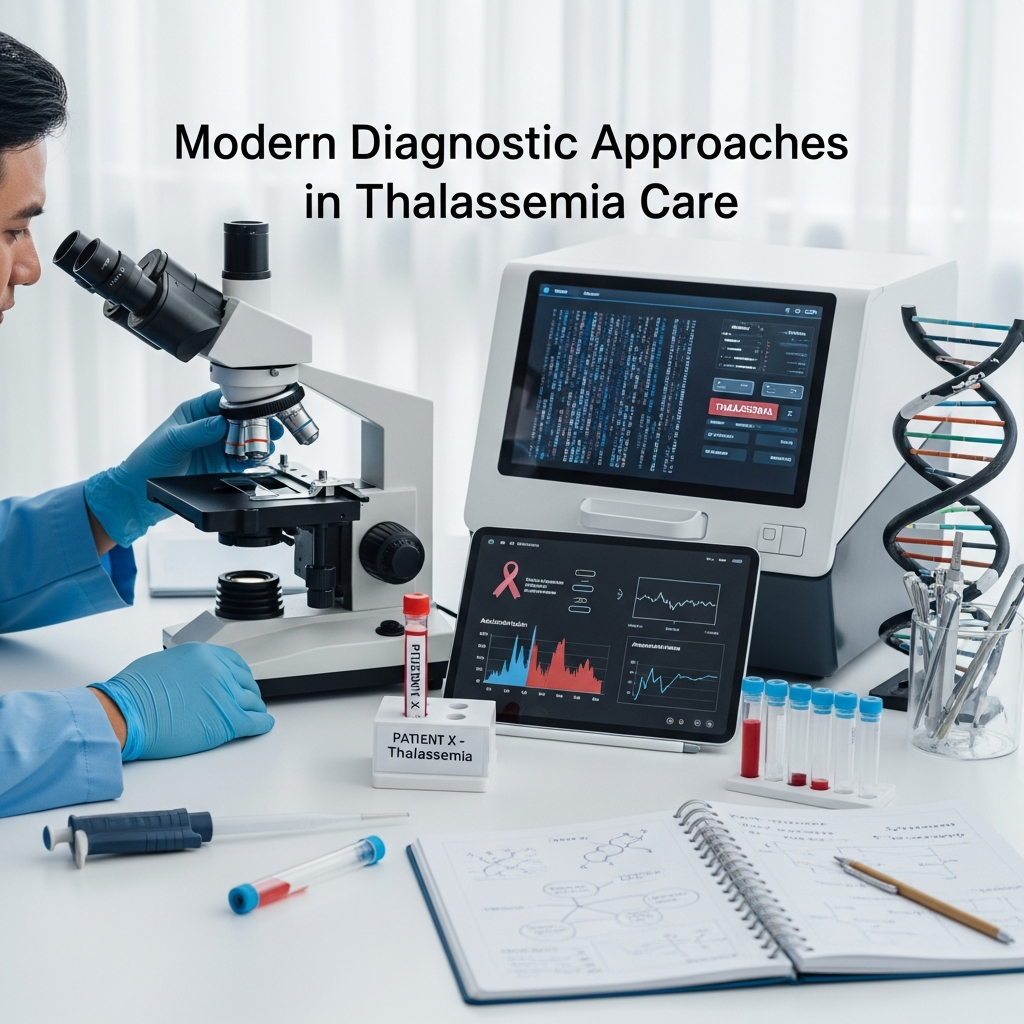 Early and accurate diagnosis plays a critical role in transforming outcomes in Thalassemia care. With advancements in medical technology, detection has shifted from basic blood tests to highly precise genetic and molecular techniques, allowing clinicians to identify the disease earlier and manage it more effectively.
Neonatal Screening Programs in Thalassemia care
Newborn screening is one of the most important steps in early Thalassemia care.
Key Features:
- Performed shortly after birth using a heel-prick blood test
- Detects abnormal hemoglobin patterns early
- Included in routine newborn screening in many countries
- Enables immediate referral to specialist care
Benefits:
- Prevents delayed diagnosis
- Reduces risk of severe anemia complications
- Supports early treatment initiation
- Improves growth and developmental outcomes
Advanced Prenatal Diagnosis in Thalassemia care
Prenatal testing is essential for at-risk families in modern Thalassemia care.
Diagnostic Methods:
- Chorionic Villus Sampling (CVS) – early fetal DNA testing
- Amniocentesis – analysis of fetal cells in amniotic fluid
- Non-Invasive Prenatal Testing (NIPT) – detects fetal DNA in maternal blood
Advantages:
- Early identification of severe thalassemia forms
- Informed pregnancy decision-making
- Reduced need for invasive procedures (with NIPT advancement)
- Better preparation for specialized neonatal care
Molecular Diagnostics in Thalassemia care
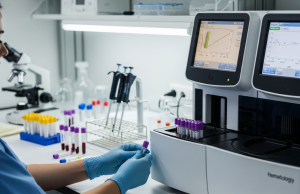
Molecular testing provides the highest level of accuracy in Thalassemia care.
Technologies Used:
- PCR (Polymerase Chain Reaction)
- DNA sequencing
- Gene mutation mapping
Clinical Importance:
- Identifies exact genetic mutations
- Detects rare or complex variants
- Supports personalized treatment planning
- Helps predict disease severity
Key Points in Modern Thalassemia care Diagnostics
- Early detection significantly improves long-term outcomes
- Screening begins at newborn stage in high-risk regions
- Prenatal testing supports preventive genetic counseling
- Molecular diagnostics enable precision medicine approaches
- Accurate diagnosis guides individualized treatment strategies
Comprehensive Medical Management in Thalassemia care
Modern Thalassemia care relies on a coordinated, multidisciplinary approach that combines transfusion support, iron management, surgical interventions, and curative therapies. The primary goals are to correct anemia, prevent complications, and improve long-term survival and quality of life.
Blood Transfusion Therapy in Thalassemia care
Regular blood transfusions are the foundation of treatment for patients with severe forms of thalassemia in Thalassemia care.
Key Objectives:
- Maintain adequate hemoglobin levels
- Suppress ineffective red blood cell production
- Improve oxygen delivery to tissues
- Support normal growth and development
Treatment Protocol:
- Transfusions every 2 to 4 weeks
- Use of packed red blood cells
- Extended antigen matching (ABO, Rh, and minor antigens)
- Monitoring for transfusion reactions and alloimmunization
Iron Chelation Therapy in Thalassemia care
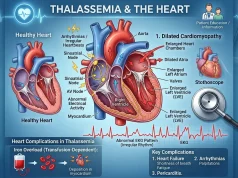
Repeated transfusions lead to iron overload, making chelation therapy essential in Thalassemia care.
Common Chelation Medications:
| Drug | Method | Key Benefit |
|---|---|---|
| Deferoxamine | Infusion (8–12 hours) | Highly effective iron removal |
| Deferasirox | Oral (once daily) | Convenient and widely used |
| Deferiprone | Oral (multiple doses) | Effective for cardiac iron |
Monitoring:
- Serum ferritin levels
- Liver iron concentration (MRI)
- Cardiac MRI (T2*)
Key Benefits:
- Prevents heart and liver damage
- Reduces risk of endocrine disorders
- Improves long-term survival
Splenectomy in Thalassemia care
Splenectomy may be considered in advanced cases of Thalassemia care when the spleen becomes excessively enlarged.
When It Is Recommended:
- Increased transfusion requirements
- Severe splenomegaly
- Destruction of transfused red blood cells
Benefits:
- Reduces transfusion frequency
- Improves hemoglobin stability
Risks & Precautions:
- Increased risk of infections
- Lifelong vaccination requirements:
- Pneumococcus
- Meningococcus
- Haemophilus influenzae
- Possible need for prophylactic antibiotics
Bone Marrow and Stem Cell Transplantation in Thalassemia care
 Hematopoietic Stem Cell Transplantation (HSCT) is currently the only established curative option in Thalassemia care.
Key Features:
- Replaces defective bone marrow with healthy stem cells
- Requires chemotherapy or radiation conditioning
- Best outcomes with matched sibling donors
Success Factors:
- Younger patient age
- Minimal organ damage
- Availability of compatible donor
Potential Risks:
- Graft-versus-host disease (GVHD)
- Infection risk
- Transplant-related complications
Treatment Strategy Overview Table in Thalassemia care
| Treatment | Purpose | Benefit | Risk |
|---|---|---|---|
| Blood Transfusion | Replace RBCs | Improves oxygen delivery | Iron overload |
| Iron Chelation | Remove excess iron | Protects organs | Medication side effects |
| Splenectomy | Reduce RBC destruction | Lowers transfusion need | Infection risk |
| HSCT | Curative therapy | Potential cure | High-risk procedure |
Key Points in Thalassemia care
- Multidisciplinary care is essential for optimal outcomes
- Transfusions and chelation form the treatment backbone
- Splenectomy is used selectively in advanced cases
- HSCT offers a potential cure for eligible patients
- Continuous monitoring is critical to prevent complications
Looking Ahead: The Future of Thalassemia care
The future of Thalassemia care is entering a transformative phase, driven by rapid advances in genetic medicine, biotechnology, and precision therapies. What was once a lifelong, transfusion-dependent condition is now moving toward potential long-term and even permanent cures.
Gene Therapy Revolution in Thalassemia care
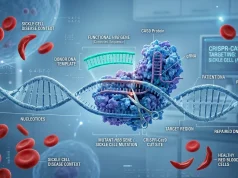
Gene therapy is one of the most promising breakthroughs in modern Thalassemia care.
How It Works:
- Patient’s own stem cells are collected
- A functional beta-globin gene is inserted using viral vectors
- Corrected cells are reinfused into the body
Key Advantages:
- No need for a matched donor
- Eliminates risk of graft rejection
- Reduces or removes transfusion dependency
- Targets the root genetic cause
Clinical Impact:
- Many patients achieve stable hemoglobin levels
- Significant reduction in iron overload risk
- Improved long-term quality of life
Emerging Drug Therapies in Thalassemia care

Key Innovations:
- Drugs that enhance red blood cell maturation
- Agents that increase fetal hemoglobin (HbF) production
- Therapies targeting iron metabolism regulation
Benefits:
- Lower transfusion requirements
- Better hemoglobin stability
- Reduced treatment burden
- Improved patient independence
Future Treatment Comparison in Thalassemia care
| Therapy | Approach | Goal | Status |
|---|---|---|---|
| Gene Therapy | Genetic correction | Long-term cure | Approved/expanding |
| HbF Induction Drugs | Increase fetal hemoglobin | Reduce anemia | Ongoing development |
| Iron Regulation Drugs | Control iron metabolism | Prevent overload | Clinical research |
| Stem Cell Transplant | Donor-based cure | Replace defective marrow | Established |
Key Trends Shaping Thalassemia care
- Shift from symptom management to curative treatment
- Increased accessibility of gene-based therapies
- Personalized medicine based on genetic profiling
- Reduced reliance on lifelong transfusions
- Integration of advanced diagnostics and targeted therapies
What This Means for Patients
- Greater hope for long-term remission or cure
- Improved survival rates and quality of life
- Less dependence on hospital-based treatments
- More accessible and patient-friendly therapies in the future