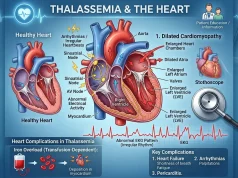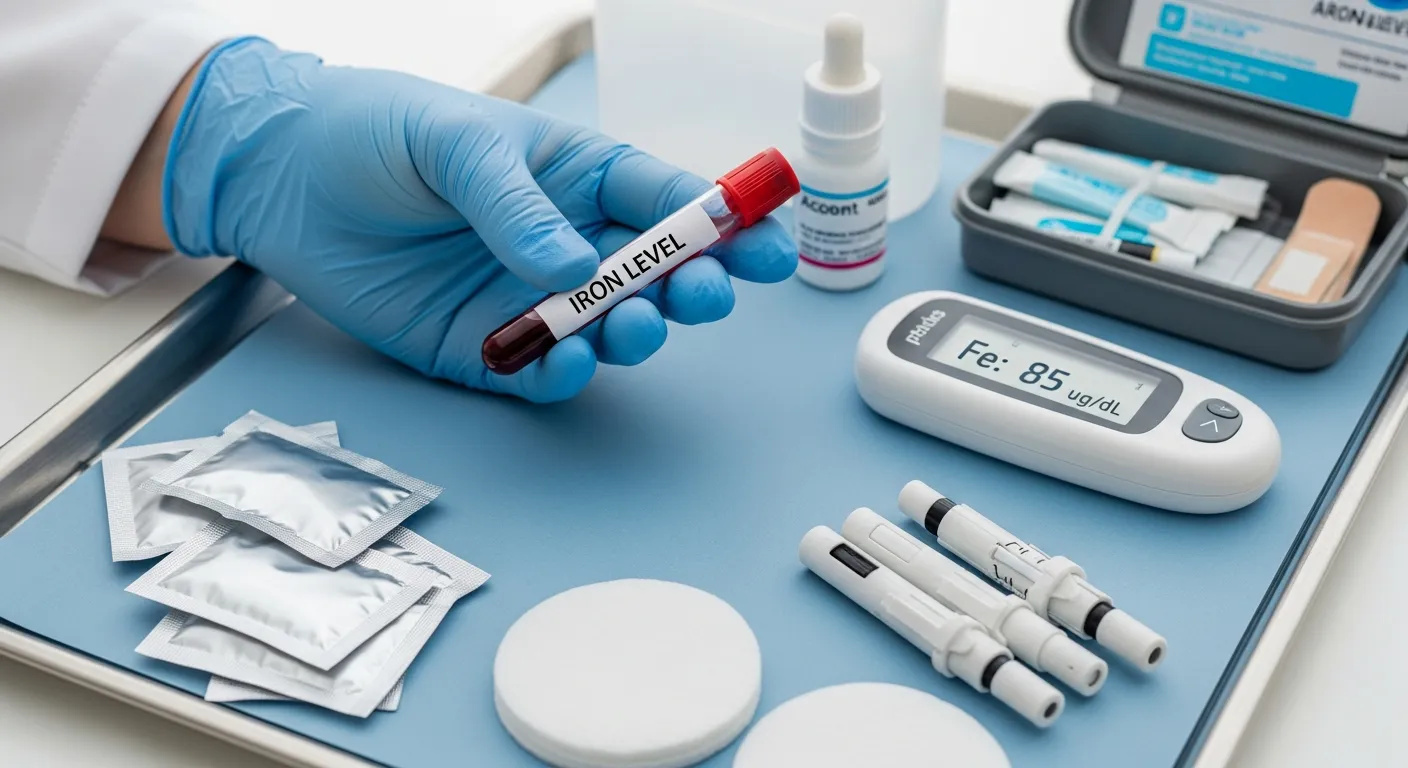
Iron Level Monitoring Tests are diagnostic blood tests used to measure the amount of iron in the body and evaluate conditions such as iron deficiency anemia or iron overload. These tests typically include serum iron, ferritin, transferrin saturation, and total iron-binding capacity (TIBC). They help doctors assess overall iron status, diagnose related disorders early, and guide proper treatment for maintaining healthy blood function.
Iron is an essential mineral that powers some of your body’s most critical functions. From helping red blood cells carry oxygen from your lungs to your tissues to supporting muscle metabolism and healthy connective tissue, iron is a non-negotiable requirement for human life. Yet, despite its importance, iron balance is notoriously difficult for the body to maintain. Having too little can leave you exhausted and weak, while accumulating too much can cause severe damage to your vital organs.
Conditions that disrupt your body’s natural iron regulation require careful attention. For example, individuals with iron deficiency anemia struggle to produce enough healthy red blood cells due to a lack of iron. Conversely, people living with genetic blood disorders like thalassemia or hemochromatosis face the opposite problem. Their bodies either absorb excessive amounts of iron naturally or accumulate it through frequent, life-saving blood transfusions.
Because the human body lacks a natural mechanism to excrete excess iron efficiently, the responsibility falls on proactive medical management. This is exactly where Iron Level Monitoring Tests become essential. Iron Level Monitoring Tests are vital diagnostic tools that provide healthcare professionals with a clear, data-driven picture of your internal mineral balance, ensuring you receive the right care at the right time.
By taking the time to understand how Iron Level Monitoring Tests work, you can actively participate in your health journey. These tests help identify iron deficiency or iron overload early, guide treatment decisions, and prevent long-term complications affecting the heart, liver, and other organs. This comprehensive guide will explain the different types of Iron Level Monitoring Tests available, who needs them the most, how to prepare for your appointment, and what your results actually mean for your long-term health and well-being.
Types of Iron Level Monitoring Tests
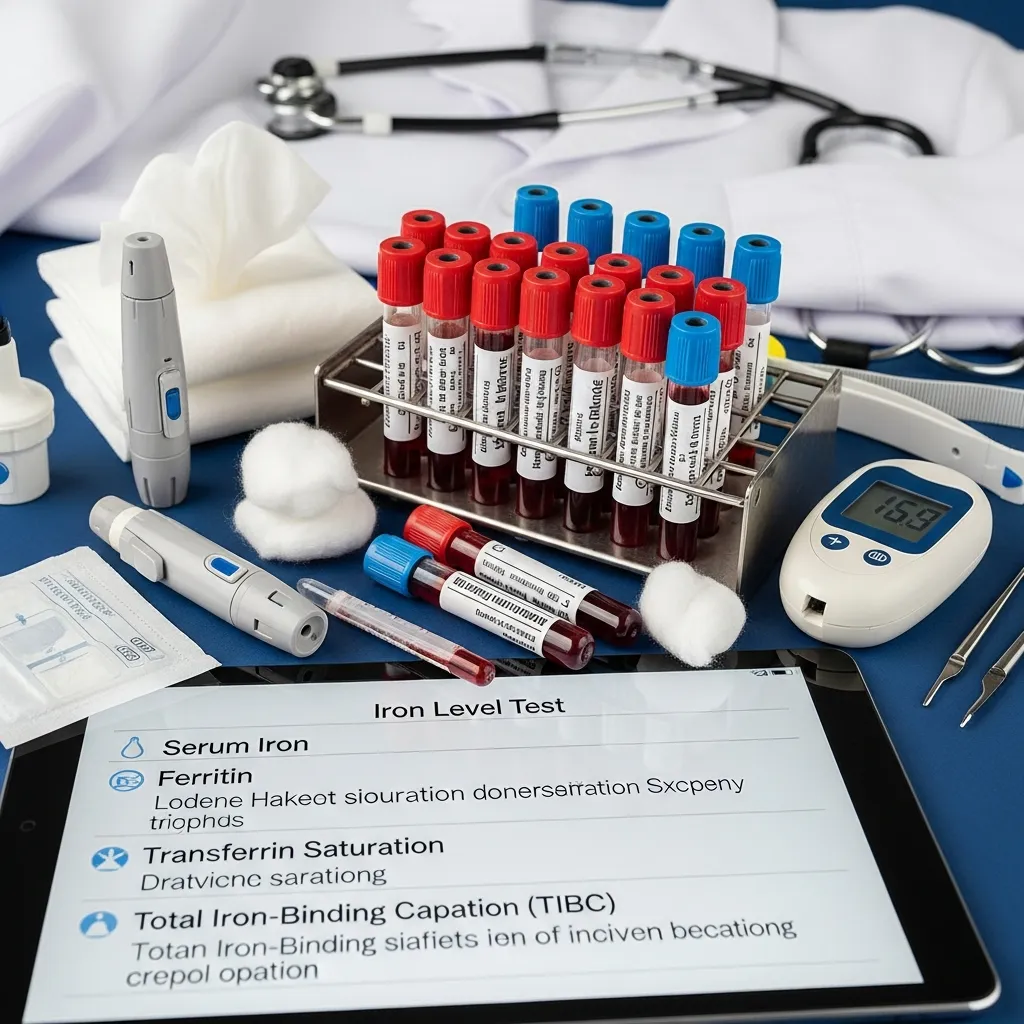 Medical professionals use a variety of iron level monitoring tests to evaluate exactly how your body processes, stores, and utilizes this essential mineral. Because iron moves through several different stages in your bloodstream and tissues, no single test tells the entire story. Instead, doctors often order a combination of the following diagnostics.
Serum Ferritin Test
Ferritin is a specific protein that stores iron inside your body’s cells, primarily within the liver and immune system. A serum ferritin test measures the concentration of this protein in your blood.
What it measures:
This test provides a highly accurate snapshot of your body’s total iron reserves. Because ferritin acts as the primary storage unit for iron, its levels in your bloodstream directly correlate with the amount of iron safely tucked away in your tissues.
Interpretation of results:
Low ferritin levels are an early and strong indicator that your iron stores are depleted, usually pointing toward iron deficiency anemia. High ferritin levels, on the other hand, indicate a vast stockpile of iron. However, because ferritin is also an acute-phase reactant, its levels can spike during periods of infection, chronic inflammation, or tissue damage.
Clinical significance:
Doctors heavily rely on the serum ferritin test as one of the most fundamental iron level monitoring tests. It helps differentiate between true iron deficiency and anemia caused by chronic disease. For patients with thalassemia, it is a critical marker for tracking the success of therapies designed to remove excess iron from the body.
Serum Iron Test
While ferritin measures stored iron, your body also has iron actively moving through your bloodstream. The serum iron test captures this specific data point.
What it measures:
This diagnostic measures the exact amount of free-floating iron currently circulating in your blood. It does not account for the iron stored in your cells or the iron already incorporated into your red blood cells.
Interpretation of results:
A low serum iron reading often accompanies iron deficiency, chronic illness, or severe nutritional gaps. High serum iron levels can result from accidental iron poisoning, multiple blood transfusions, or genetic conditions that force the body to absorb too much iron from food.
Clinical significance:
By itself, a serum iron test fluctuates wildly depending on recent meals, time of day, and minor illnesses. Therefore, doctors almost always review this result alongside other iron level monitoring tests to build a complete clinical picture.
Total Iron-Binding Capacity (TIBC)
Your body transports iron through the blood using a specific protein called transferrin. The Total Iron-Binding Capacity (TIBC) test evaluates how effectively this transport system is functioning.
What it measures:
TIBC measures the blood’s capacity to bind and transport iron. Essentially, it calculates how much transferrin is currently available to attach to free iron molecules.
Interpretation of results:
When iron stores drop, the liver produces more transferrin to maximize the chances of catching any available iron. Therefore, a high TIBC indicates iron deficiency. Conversely, when the body is overloaded with iron, transferrin production slows down, resulting in a low TIBC.
Clinical significance:
TIBC provides critical context. When a doctor sees low serum iron combined with a high TIBC, they can confidently diagnose iron deficiency. If both serum iron is high and TIBC is low, they will likely investigate for iron toxicity or genetic overload disorders.
Transferrin Saturation
Transferrin saturation is not a direct test but rather a crucial calculation derived from your serum iron and TIBC results.
Calculation and what it indicates:
By dividing your serum iron level by your TIBC and multiplying by 100, doctors calculate the percentage of transferrin proteins actively carrying iron. This percentage represents your transferrin saturation.
Interpretation of results:
A normal transferrin saturation typically falls between 20% and 50%. A saturation percentage below 20% strongly suggests iron deficiency. A percentage soaring above 50% indicates that your transport proteins are overwhelmed, and free iron is likely spilling into your tissues.
Clinical significance:
Transferrin saturation is often the earliest marker of iron overload. In fact, one of the most reliable iron level monitoring tests for detecting early-stage hemochromatosis is an elevated transferrin saturation, which often appears long before ferritin levels begin to rise.
Liver Iron Concentration (LIC)
When the blood’s transport systems become fully saturated, excess iron forces its way into vital organs. The liver acts as the primary dumping ground for this toxic overflow. Measuring Liver Iron Concentration (LIC) is vital for patients at high risk of organ damage.
Importance in iron overload conditions:
Evaluating LIC gives doctors a direct, precise measurement of organ toxicity. Without this specific measurement, severe tissue scarring could go unnoticed until permanent damage occurs.
Methods of measurement:
Historically, doctors relied on a liver biopsy—inserting a needle into the abdomen to extract a tissue sample—to measure LIC. Today, medical technology has advanced significantly. Specialized Magnetic Resonance Imaging (MRI) scans, such as the Ferriscan or MRI T2*, can measure iron density in the liver completely non-invasively.
Advantages and disadvantages of each method:
Liver biopsies provide highly accurate data and allow doctors to check for cellular scarring (cirrhosis), but they carry risks of bleeding, pain, and infection. MRI scans are entirely painless and carry no physical risk, making them the preferred modern choice, though they require specialized software and trained technicians to interpret.
When is it recommended?:
LIC measurements are recommended for patients receiving regular blood transfusions or those showing early liver iron overload symptoms. Catching this accumulation early allows doctors to adjust treatment before liver failure develops.
Other Specialized Tests
In complex cases, hematologists might order specialized tests like erythrocyte protoporphyrin. This test measures a precursor molecule to hemoglobin. When iron is scarce, zinc takes its place, causing erythrocyte protoporphyrin levels to rise. This test is highly sensitive for detecting early iron deficiency, particularly in children, before severe anemia sets in.
Who Needs Iron Level Monitoring Tests?
 While routine blood work might check basic hemoglobin, comprehensive iron level monitoring tests are reserved for specific populations who face higher risks of mineral imbalance.
Individuals with Diagnosed Iron Disorders
People living with specific genetic conditions require lifelong vigilance regarding their internal iron stores.
Addressing thalassemia and the need for regular testing:
Thalassemia causes the body to produce abnormal red blood cells, leading to severe anemia. To survive, many patients require blood transfusions every few weeks. Because every unit of transfused blood contains a massive amount of iron, these patients experience rapid and dangerous iron accumulation. Regular iron level monitoring tests are non-negotiable for their survival, ensuring that doctors can clear the toxic metal from their system effectively.
Connection to personalized care:
Because genetic mutations vary wildly from person to person, modern hematology heavily emphasizes customized treatment strategies. Utilizing frequent diagnostic data allows doctors to provide highly personalized thalassemia care, adjusting therapies to match the patient’s unique metabolic rate and iron accumulation speed.
Patients Undergoing Iron Chelation Therapy
Iron chelation therapy involves taking specific medications that bind to excess iron in the bloodstream, allowing the body to excrete it through urine or stool. Because chelating drugs are powerful and carry their own side effects, doctors must use iron level monitoring tests to ensure the dosage is perfectly balanced. Too little medication allows iron to destroy organs, while too much medication can strip the body of necessary minerals and cause severe toxicity.
Individuals with Symptoms of Iron Deficiency or Overload
If you constantly feel exhausted, experience unexplained shortness of breath, or crave non-food items like ice or dirt (a condition called pica), you may need testing for iron deficiency. Conversely, if you suffer from chronic joint pain, unexplained abdominal aching, a grayish skin tone, or sudden heart palpitations, your doctor should investigate for iron overload.
Pregnant Women and Children
Pregnancy drastically increases a woman’s blood volume and the iron demands of the growing fetus. Without careful monitoring, severe maternal iron deficiency can lead to premature birth or low birth weight. Similarly, rapid growth spurts in toddlers and young children demand high iron intake for proper brain and muscle development. Pediatricians frequently use iron level monitoring tests to ensure children hit their developmental milestones safely.
Chronic Disease Patients
Chronic kidney disease significantly impairs the body’s ability to produce red blood cells. Furthermore, inflammatory conditions like rheumatoid arthritis or lupus can cause “anemia of chronic disease,” where the body actively hides iron inside cells to prevent bacteria from using it. These complex scenarios require precise monitoring to determine if a patient actually needs iron supplements or if their underlying inflammation just needs better management.
The Process of Iron Level Monitoring
If your doctor orders an iron panel, understanding the logistical process can help alleviate any anxiety you might feel about the appointment.
Preparing for the Tests
Iron levels fluctuate based on your diet and daily rhythm. To get the most accurate baseline, your doctor will likely ask you to fast for 12 hours before the test, meaning you can only consume water. You should also schedule the blood draw for the early morning, as serum iron naturally peaks early in the day and drops significantly by the afternoon.
You must also disclose all medications and supplements you take. Vitamin C drastically increases iron absorption, while antacids and calcium supplements can block it. Your healthcare provider might ask you to pause certain over-the-counter pills a few days before your blood draw.
What to Expect During Blood Draws or Other Procedures
Standard iron level monitoring tests require a simple venous blood draw. A phlebotomist will clean an area on your inner arm, apply a tourniquet to make the vein visible, and insert a small needle. The entire process takes less than five minutes.
If your doctor orders an MRI to measure Liver Iron Concentration, you will simply lie flat on a motorized bed that slides into a large, tube-shaped scanner. The machine takes detailed images of your organs over a period of about 15 to 30 minutes without any needles or contrast dyes required.
Frequency of Testing Based on Condition and Treatment
A healthy adult might only have their iron checked once every few years during a routine physical. However, someone actively correcting an iron deficiency might need follow-up tests every two to three months to confirm their supplements are working. For patients with thalassemia or those undergoing active iron chelation therapy, doctors generally run serum iron and ferritin tests monthly, alongside annual MRI scans to check organ health.
Interpreting Your Iron Level Monitoring Tests Results
 Staring at a page of lab results filled with medical acronyms and numbers can feel overwhelming. While your healthcare provider is the ultimate authority on your specific health status, understanding the basic parameters empowers you to ask better questions during your consultation.
Normal Ranges and What They Mean
Medical laboratories establish “reference ranges” to define normal iron levels. While these exact numbers can vary slightly from one lab facility to another, general guidelines exist. Normal serum ferritin typically ranges from 24 to 336 micrograms per liter (mcg/L) for men, and 11 to 307 mcg/L for women. Normal transferrin saturation sits comfortably between 20% and 50%. Staying within these ranges means your body is successfully balancing iron absorption, storage, and utilization.
High Iron Levels: Causes and Implications
When your tests reveal elevated ferritin or a transferrin saturation exceeding 50%, your body is holding onto too much iron.
Causes: Genetic hemochromatosis forces the intestines to absorb massive amounts of dietary iron. Alternatively, patients with thalassemia or severe sickle cell disease acquire massive iron loads through necessary, life-saving blood transfusions.
Implications: Free-floating iron is highly reactive and toxic. It creates oxidative stress that destroys cellular DNA. Without intervention, high iron levels lead to cirrhosis of the liver, congestive heart failure, severe arthritis, and diabetes (as the iron destroys insulin-producing cells in the pancreas).
Low Iron Levels: Causes and Implications
When your ferritin drops below the reference range and your TIBC climbs high, your body’s reserves are heavily depleted.
Causes: Chronic blood loss is the most common culprit, often stemming from heavy menstrual periods, undiagnosed gastrointestinal ulcers, or regular blood donation. Poor dietary intake or malabsorption conditions like celiac disease or Crohn’s disease also block iron from entering your bloodstream.
Implications: Without iron, your body cannot produce healthy hemoglobin. This leads to iron deficiency anemia, characterized by extreme physical exhaustion, cognitive brain fog, brittle nails, hair loss, and an immune system that struggles to fight off basic infections.
The Importance of Discussing Results with a Healthcare Professional
Never attempt to self-diagnose based solely on laboratory numbers. High ferritin, for instance, does not automatically guarantee iron overload; it could simply mean you have an undiagnosed inflammatory condition. A skilled hematologist or primary care doctor will review all your iron level monitoring tests collectively, assess your physical symptoms, and review your medical history before creating a safe action plan.
Managing Iron Levels Based on Test Results
Once the diagnostic phase is complete, your medical team will help you actively shift your mineral balance back to a healthy baseline.
Strategies for Managing High Iron Levels
Clearing toxic iron from the body requires strict medical intervention and lifestyle adjustments.
Chelation Therapy:
As mentioned earlier, chelators are powerful medications that bind to iron molecules. Patients take these drugs orally or via continuous subcutaneous infusion pumps. The bound iron is then safely flushed out of the body through normal waste systems.
Phlebotomy:
For patients with genetic hemochromatosis who do not have anemia, the most effective treatment is therapeutic phlebotomy. This process is identical to donating blood. By removing a pint of blood, doctors force the body to pull stored iron out of the liver to manufacture new red blood cells, naturally lowering iron reserves over time.
Dietary Modifications:
Patients dealing with iron overload must actively avoid iron-fortified cereals, raw shellfish (which carry bacteria that thrive in high-iron environments), and taking vitamin C with meals. Drinking black tea with dinner can actually help inhibit the intestines from absorbing iron.
Strategies for Managing Low Iron Levels
Rebuilding iron stores is a slower process that requires consistency and patience.
Iron Supplementation:
Doctors typically prescribe oral iron pills, such as ferrous sulfate or ferrous gluconate. Because oral iron can cause severe stomach upset and constipation, doctors advise starting with a low dose and taking it every other day to maximize absorption and minimize digestive distress. In severe cases, intravenous (IV) iron infusions bypass the digestive tract entirely for rapid restoration.
Dietary Changes:
Incorporating heme iron (found in red meat, poultry, and fish) is highly effective, as the body absorbs it much easier than non-heme iron (found in spinach, lentils, and beans). Pairing non-heme iron foods with a glass of orange juice significantly boosts the absorption rate.
Addressing Underlying Causes:
Supplementing iron is useless if the body is constantly losing it. Doctors must investigate and treat the root cause, whether that means managing heavy menstrual bleeding with hormonal therapy or repairing a bleeding ulcer in the stomach.
The Role of Continuous Testing in Treatment Efficacy
Managing iron is not a one-time fix. Doctors rely on continuous iron level monitoring tests to prove that a specific treatment is working. If an anemia patient’s ferritin does not rise after three months of supplements, the doctor knows they must investigate for a malabsorption disorder. If a thalassemia patient’s liver iron concentration increases despite chelation, the hematologist knows they must increase the medication dosage immediately.
Advanced Monitoring Techniques and Future Directions
 The field of hematology is evolving rapidly, bringing exciting new technologies that make tracking iron safer, faster, and more comfortable for patients.
Non-Invasive Iron Assessment Methods
While MRI technology revolutionized liver iron tracking, researchers are currently developing specialized biomagnetic susceptometry devices (like the SQUID device). These massive sensors can detect the tiny magnetic fields generated by iron stores in the liver, offering highly accurate readings without the need for traditional imaging or biopsies.
According to the National Institutes of Health (NIH), ongoing clinical trials are also focusing on refining ultrasound techniques to measure tissue iron, which would make non-invasive testing drastically cheaper and more accessible worldwide.
Emerging Technologies in Iron Level Monitoring
Point-of-care testing is advancing quickly. Scientists are working on portable, handheld devices that use microfluidics to measure ferritin and transferrin saturation from a single drop of blood. This technology would allow patients in remote or underserved areas to receive laboratory-grade results instantly, completely transforming global anemia and thalassemia management.
Personalized Approaches to Iron Management
As genetic testing becomes more mainstream, doctors are learning exactly how individual DNA variations affect iron metabolism. By mapping a patient’s specific genetic profile, healthcare providers can predict exactly how fast someone will absorb iron or how well they will tolerate a specific chelating medication.
This push toward highly individualized medicine also empowers patients to take charge of their daily health tracking. Understanding how to monitor thalassemia at home by tracking fatigue, medication side effects, and heart rates allows patients to collaborate seamlessly with their doctors between clinical lab visits.
Conclusion
Iron Level Monitoring Tests play a crucial role in assessing the body’s iron status and detecting conditions such as iron deficiency anemia or iron overload at an early stage. These tests, including serum iron, ferritin, transferrin saturation, and TIBC, help healthcare providers understand how well iron is being stored and transported in the body. Regular Iron Level Monitoring Tests are especially important for individuals with fatigue, chronic illness, pregnancy, or known blood disorders. With timely diagnosis and proper treatment, patients can maintain healthy iron balance and prevent long-term complications related to abnormal iron levels.
FAQ
1. What are Iron Level Monitoring Tests?
Iron Level Monitoring Tests are blood tests used to measure and evaluate the amount of iron in the body and diagnose iron-related conditions.
2. Why are Iron Level Monitoring Tests important?
These tests help detect iron deficiency anemia or iron overload early, allowing timely treatment and better health management.
3. What tests are included in Iron Level Monitoring Tests?
They usually include serum iron, ferritin, total iron-binding capacity (TIBC), and transferrin saturation tests.
4. Who needs Iron Level Monitoring Tests?
People with fatigue, anemia symptoms, chronic diseases, pregnancy, or suspected iron imbalance may need these tests.
5. Do Iron Level Monitoring Tests require fasting?
Some Iron Level Monitoring Tests may require fasting, but it depends on the doctor’s instructions and specific lab requirements.
6. What does low iron in Iron Level Monitoring Tests mean?
Low iron levels usually indicate iron deficiency anemia, which may cause fatigue, weakness, and pale skin.
7. What does high iron in Iron Level Monitoring Tests indicate?
High iron levels may suggest iron overload conditions such as hemochromatosis or excessive iron supplementation.
8. Are Iron Level Monitoring Tests painful?
No, they are simple blood tests and may cause only minor discomfort from needle insertion.
9. How often should Iron Level Monitoring Tests be done?
The frequency depends on the patient’s condition and doctor’s advice, especially for those with chronic iron disorders.
10. Can diet affect Iron Level Monitoring Tests?
Yes, diet and iron supplements can influence test results, so it is important to follow medical instructions before testing.