Modern advances in thalassemia treatment include FDA-approved gene therapies (Zynteglo and Casgevy), improved stem cell transplants, the drug luspatercept, better oral iron chelators, and CRISPR gene editing—several of which now offer a potential one-time cure.
 Thalassemia is an inherited blood disorder caused by mutations in the genes that produce hemoglobin—the protein in red blood cells that carries oxygen throughout the body. When these genes malfunction, the body makes too few healthy red blood cells, leading to anemia that ranges from mild to life-threatening.
There are two main types. Alpha thalassemia involves the alpha-globin genes, while beta thalassemia affects the beta-globin genes. Beta thalassemia major—the most severe form—requires blood transfusions every two to four weeks just to survive.
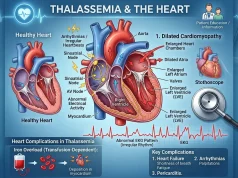
Each transfusion temporarily restores hemoglobin levels. But repeated transfusions cause iron to build up in vital organs like the heart, liver, and endocrine glands. Without iron chelation therapy to remove that excess iron, patients face serious organ damage over time.
The burden is constant. Patients spend countless hours at infusion centers, take daily medications, and attend frequent monitoring appointments. Bone marrow transplantation has long offered a potential cure, but it requires a matched donor and carries the risk of graft-versus-host disease—putting it out of reach for most patients. That gap between what standard care offers and what patients actually need is exactly what modern blood disorder treatments aim to close.
How Does Gene Therapy Work for Thalassemia?
Gene therapy represents the most revolutionary of all thalassemia treatment advances. Rather than managing symptoms, it targets the root cause—the faulty genetic instructions that prevent the body from making healthy hemoglobin.
What Is the Basic Mechanism of Gene Therapy?
Gene therapy for thalassemia works by introducing a functional copy of the beta-globin gene into a patient’s own stem cells.
The simplified process follows four steps:
- Stem cells are collected from the patient’s blood or bone marrow.
- A viral vector delivers a corrected gene into those stem cells in the lab.
- The patient undergoes conditioning chemotherapy to clear space in the bone marrow.
- The corrected stem cells are reinfused and begin producing healthy red blood cells.
Because the cells are the patient’s own, the risk of rejection is far lower than with a donor transplant.
Which Gene Therapies Have Been Approved?
Two gene therapies have reached FDA approval, marking a turning point in the latest therapies for thalassemia:
- Betibeglogene spartacus (Zynteglo): FDA-approved in August 2022, this lentiviral therapy inserts a functional beta-globin gene into the patient’s stem cells. Clinical trials (HGB-207 and HGB-212) showed that approximately 89% of participants with non-severe beta thalassemia genotypes achieved transfusion independence.
- Exagamglogene autotemcel (Casgevy): FDA-approved in December 2023, this became the first CRISPR-based therapy approved for any disease. The CLIMB THAL-111 trial reported that 39 of 42 evaluable participants were free from transfusions during a continuous 12-month period.
These results are transformational, not incremental. For a patient population that previously had no path to treatment independence outside a matched donor transplant, this is a fundamental shift. For a deeper dive into the science, costs, and eligibility, see this complete guide to gene therapy for thalassemia.
What Are the Main Challenges With Gene Therapy?
The biggest barrier is cost. Both Zynteglo and Casgevy carry list prices of approximately $2.8 million per treatment in the United States—among the most expensive therapies ever approved. For most thalassemia patients worldwide, especially those in low- and middle-income countries where the disease burden is highest, these therapies remain out of reach.
Other considerations include the risk of insertional mutagenesis from lentiviral vectors, the side effects of conditioning chemotherapy (including infertility and infection risk), and limited long-term safety data beyond seven years.
How Have Stem Cell Transplant Techniques Improved?
Hematopoietic stem cell transplantation (HSCT) has been a curative option for thalassemia since the 1970s. What’s new is how much safer and more accessible it has become.
What Advances Have Made Transplants Safer?
Two improvements stand out. First, donor matching has expanded beyond matched siblings to include unrelated matched donors and cord blood units. Cord blood, collected at birth, carries a lower risk of graft-versus-host disease—though engraftment can be slower.
Second, reduced-toxicity conditioning regimens have lowered the risks of the high-dose chemotherapy required before transplant. Better GVHD prevention protocols have also cut complication rates significantly over the past two decades.
What About Haploidentical and Cord Blood Transplantation?
Haploclonal transplantation uses a half-matched donor—often a parent or child—dramatically widening the donor pool. Combined with modern protocols to reduce GVHD, this approach gives patients who lack a perfect match a viable curative option.
For Class I patients with a matched sibling donor, overall survival rates now exceed 90%, with event-free survival above 80%. To understand the full transplant process and how it compares to gene therapy, this guide to stem cell treatment for thalassemia breaks down each step in detail.
What New Drugs Are Changing Thalassemia Care?
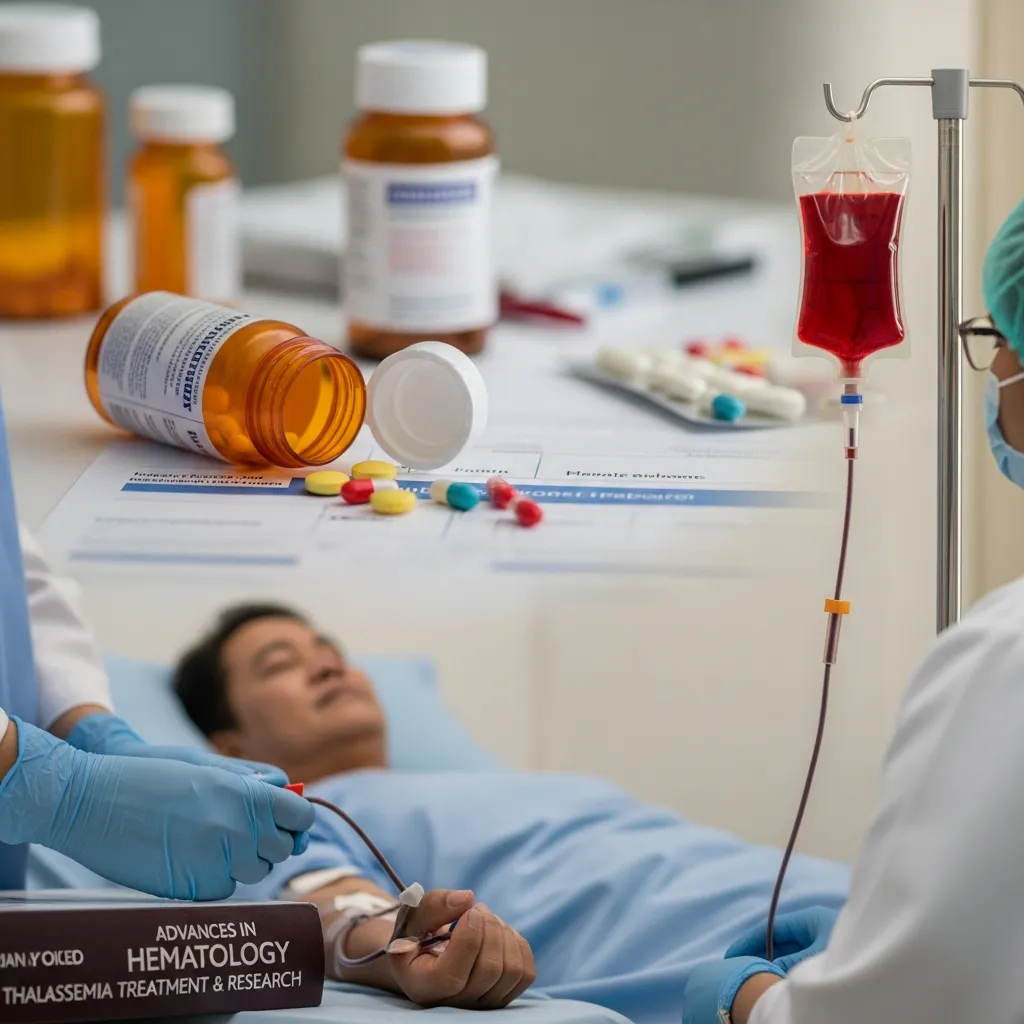 Not every patient qualifies for gene therapy or a transplant. For these individuals, novel pharmacological therapies are reducing treatment burden in meaningful ways—making them some of the most practical modern blood disorder treatments available today.
How Does Luspatercept Work?
Luspatercept (Reblozyl) is an FDA-approved erythroid maturation agent. Rather than curing the disease, it helps red blood cells mature properly, which reduces how often patients need transfusions.
For adults with beta thalassemia who depend on regular transfusions, luspatercept can meaningfully lower transfusion frequency. This translates to fewer hospital visits, less iron accumulation, and improved quality of life—even without achieving full transfusion independence.
What Advances Have Improved Iron Overload Management?
Iron overload is one of the deadliest complications of transfusion-dependent thalassemia. Older chelation therapies required uncomfortable, hours-long infusions under the skin. Modern oral chelating agents have transformed this experience, allowing patients to manage iron levels with a daily pill instead.
Better chelation means better protection for the heart and liver—organs most vulnerable to iron-related damage.
What Emerging Drugs Target Ineffective Erythropoiesis?
Ineffective erythropoiesis—the body’s failure to produce enough functional red blood cells—lies at the heart of thalassemia. A new generation of drugs aims to correct this process directly. Fetal hemoglobin inducers, which reactivate the hemoglobin the body produces before birth, are under investigation as potentially more accessible alternatives to gene therapy.
Is CRISPR Gene Editing the Future of Thalassemia Treatment?
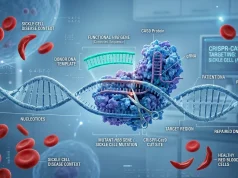
CRISPR-Cas9 technology represents the frontier of thalassemia treatment advances. Often described as molecular scissors, CRISPR can cut DNA at a precise location, allowing scientists to disable or correct specific genes.
How Does CRISPR Correct Thalassemia?
Instead of adding a new gene, CRISPR-based therapy reactivates fetal hemoglobin (HbF)—a form of hemoglobin produced before birth that can compensate for defective adult hemoglobin. Casgevy works by editing the BCL11A gene, which normally suppresses fetal hemoglobin production. By switching that gene off, the therapy effectively flips fetal hemoglobin back on.
What Comes After Standard CRISPR?
Even more precise tools are on the horizon. Base editing and prime editing are next-generation successors to standard CRISPR. These tools can correct genetic mutations without making double-strand breaks in DNA, which reduces the risk of unintended edits. Both are being explored in preclinical and early clinical work.
What Ethical Questions Does Gene Editing Raise?
Current approved therapies edit only somatic cells—the patient’s own stem cells—so genetic changes are not passed to future generations. Germline editing, which would be inheritable, remains prohibited in clinical use. As these tools grow more powerful, questions about equity, access, and the boundaries of intervention will continue to demand careful attention.
How Has Supportive Care for Thalassemia Improved?
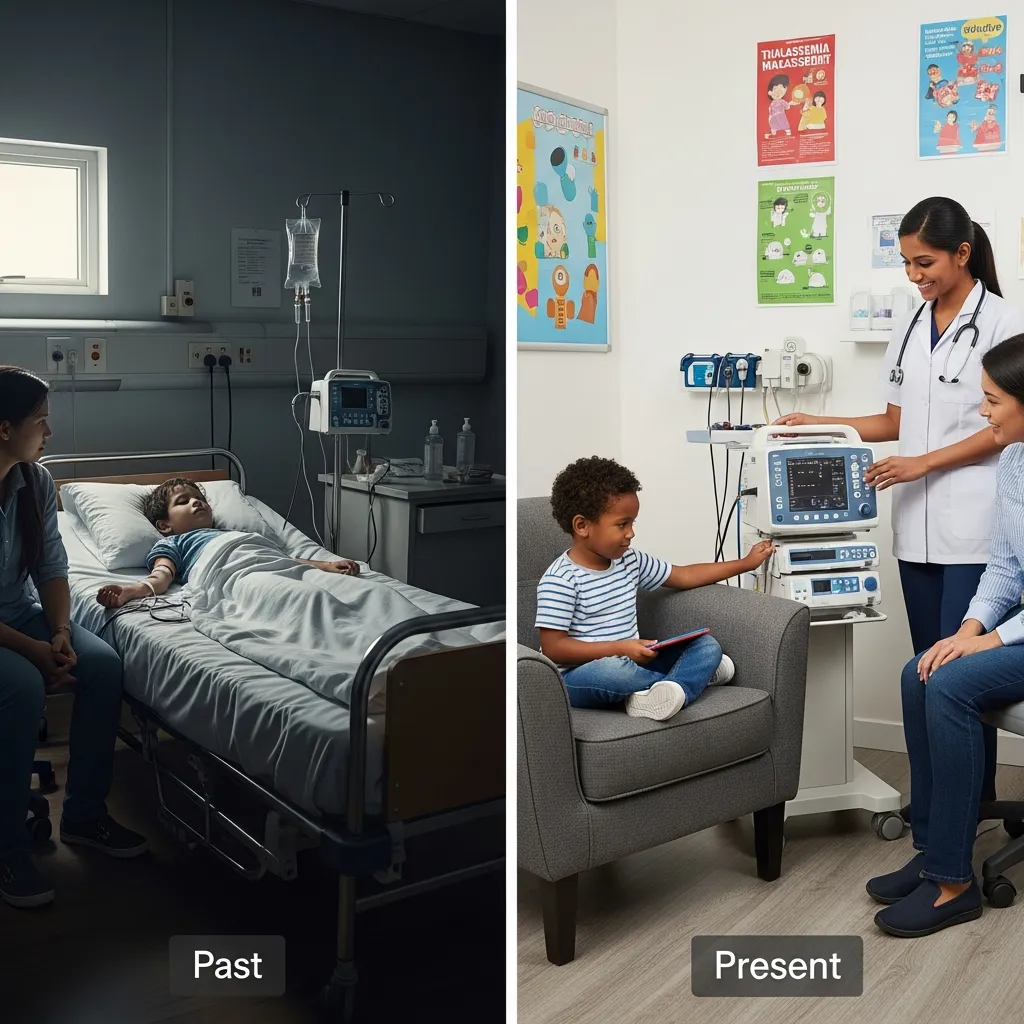 Even with curative treatments emerging, supportive care remains essential for most patients. And it, too, has advanced.
What Are the Latest Transfusion and Monitoring Protocols?
Advanced blood transfusion protocols now focus on better matching and pre-transfusion screening to reduce complications. Improved monitoring tools—including MRI-based imaging that measures iron in the heart and liver—allow doctors to catch organ damage earlier and adjust treatment before serious problems develop.
Consistent monitoring makes a measurable difference in long-term outcomes. Understanding the importance of regular checkups in thalassemia helps patients stay ahead of complications rather than reacting to them.
Why Does Holistic Care Matter?
Thalassemia care is becoming increasingly individualized. Comprehensive approaches now account for disease severity, genetic subtype, lifestyle, and personal treatment goals. Nutritional support and lifestyle adjustments—balanced diets, gentle exercise, and careful management of energy—play a real role in overall wellbeing.
The emotional dimension matters just as much as the physical one. The chronic burden of thalassemia takes a toll on mental health, which is why addressing the psychological impact of thalassemia belongs at the center of any modern care plan, not on its margins.