CRISPR gene editing blood disorders research is transforming treatment options for inherited blood diseases. By correcting disease-causing genetic mutations, CRISPR therapy offers the potential for long-term symptom relief, reduced transfusion dependence, and future cures for conditions such as thalassemia and sickle cell disease.
CRISPR gene editing blood disorders works by correcting or reactivating the genes that control blood-cell production. For inherited conditions like sickle cell disease and thalassemia, CRISPR can offer a one-time, potentially curative treatment that frees patients from lifelong transfusions and chronic pain.
For millions of people living with inherited blood disorders, daily life revolves around hospitals, transfusions, and medication. These treatments manage symptoms, but they never touch the real cause—a tiny error written into a patient’s DNA. CRISPR gene editing changes that story. By correcting the genetic mistake at its source, this technology offers something earlier therapies could not: a real shot at a cure.
This guide explains how CRISPR blood disorder treatment actually works, which conditions it targets, and what the science shows so far. You will learn about sickle cell disease, thalassemia, and hemophilia, along with the promise, the risks, and the ethical questions that come with rewriting human genes.
We’ll also explore how gene editing for blood diseases is moving from research laboratories into real-world clinical practice. Scientists are developing new approaches that improve precision, reduce side effects, and increase long-term success rates. Advances in CRISPR therapy for thalassemia have already helped some patients achieve transfusion independence, marking a major milestone in modern medicine.
Whether you are a patient, a caregiver, or simply curious about one of medicine’s biggest breakthroughs, the goal here is clear, accurate information—no hype, no false promises. By understanding the science behind CRISPR, you’ll gain insight into how gene editing may reshape the future of blood disorder treatment for generations to come.
What Are Blood Disorders and Why Do They Matter?
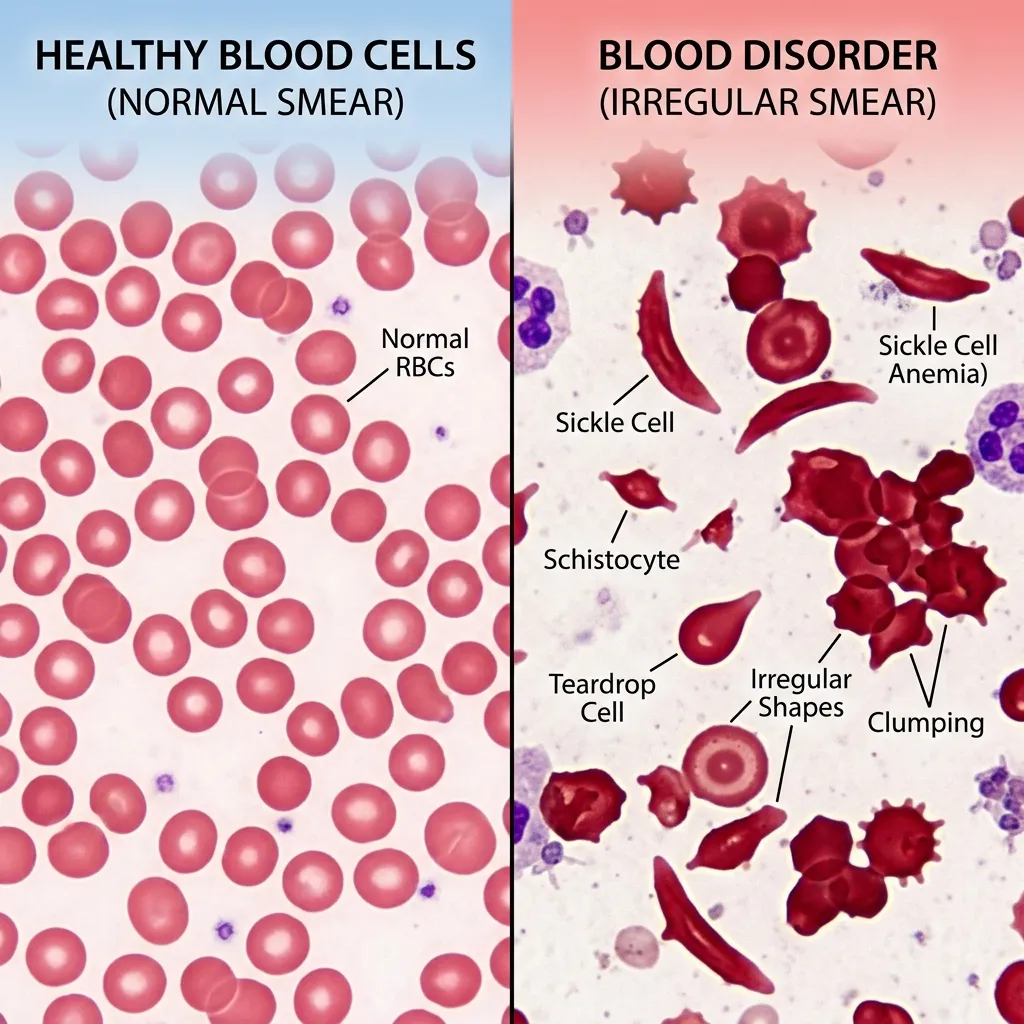 Blood disorders are conditions that affect the production or function of blood cells. Some involve red blood cells, which carry oxygen. Others affect white blood cells, which fight infection, or platelets, which help blood clot. Inherited blood disorders pass from parents to children through faulty genes.
The most common inherited blood disorders include sickle cell disease, thalassemia, and hemophilia. Together, they affect tens of millions of people worldwide. Thalassemia alone touches more than 300 million people globally, with the heaviest burden in South Asia, the Mediterranean, the Middle East, and Africa.
These conditions share one thing: a genetic root cause. That makes them ideal targets for gene editing for blood diseases. Instead of simply treating symptoms, researchers can now focus on correcting the underlying mutations responsible for disease development.
For many patients, traditional treatments require lifelong management. Individuals with severe thalassemia may need regular blood transfusions and iron chelation therapy, while people with sickle cell disease often face chronic pain episodes and organ complications. Although these treatments improve quality of life, they rarely provide a permanent solution.
This challenge has fueled interest in CRISPR blood disorder treatment, which aims to repair or modify disease-causing genes directly. Because inherited blood disorders often result from mutations in a single gene, they are among the most promising candidates for gene-editing therapies.
Recent advances in CRISPR therapy for thalassemia and sickle cell disease have demonstrated that modifying a patient’s own stem cells can restore healthier blood-cell production. These breakthroughs are changing how scientists and physicians think about treatment, shifting the focus from symptom management to the possibility of long-term disease correction and even cure.
What Is CRISPR Gene Editing?
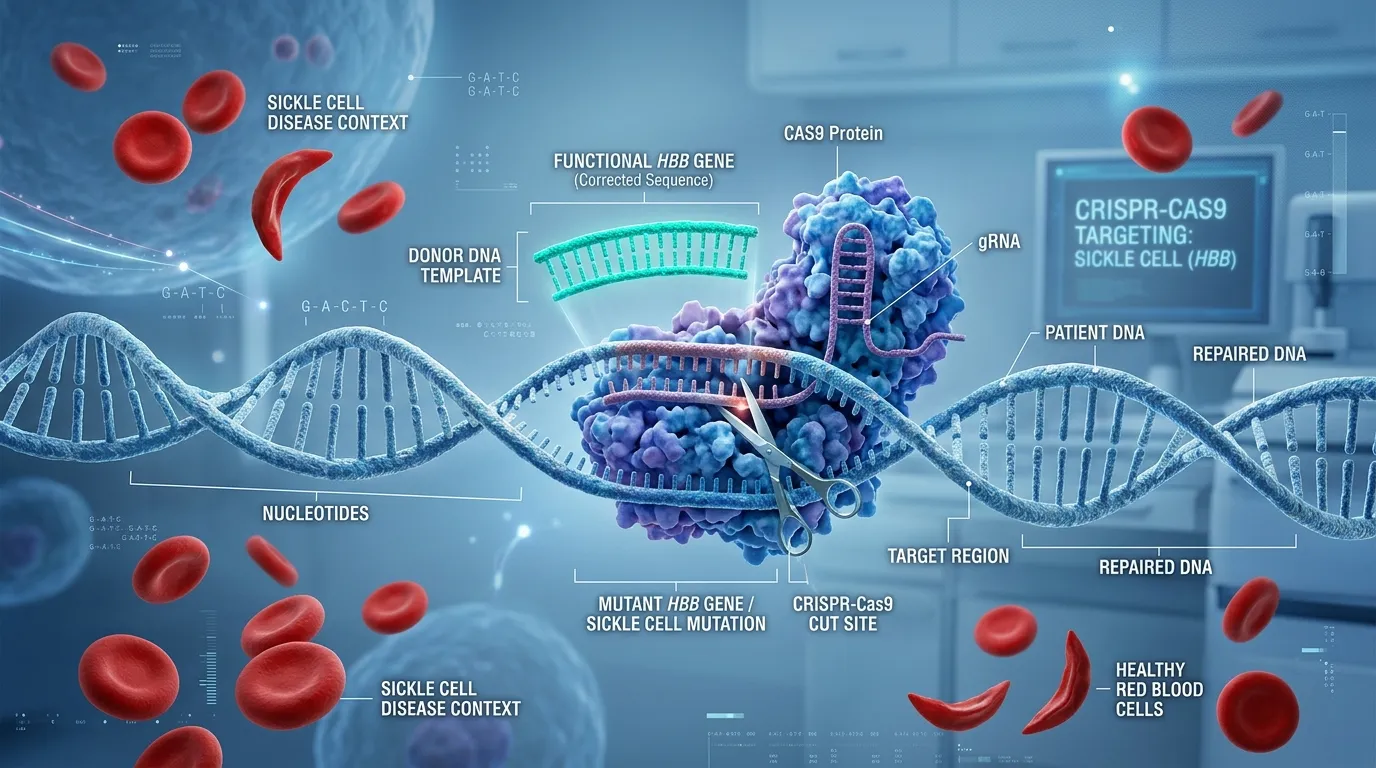
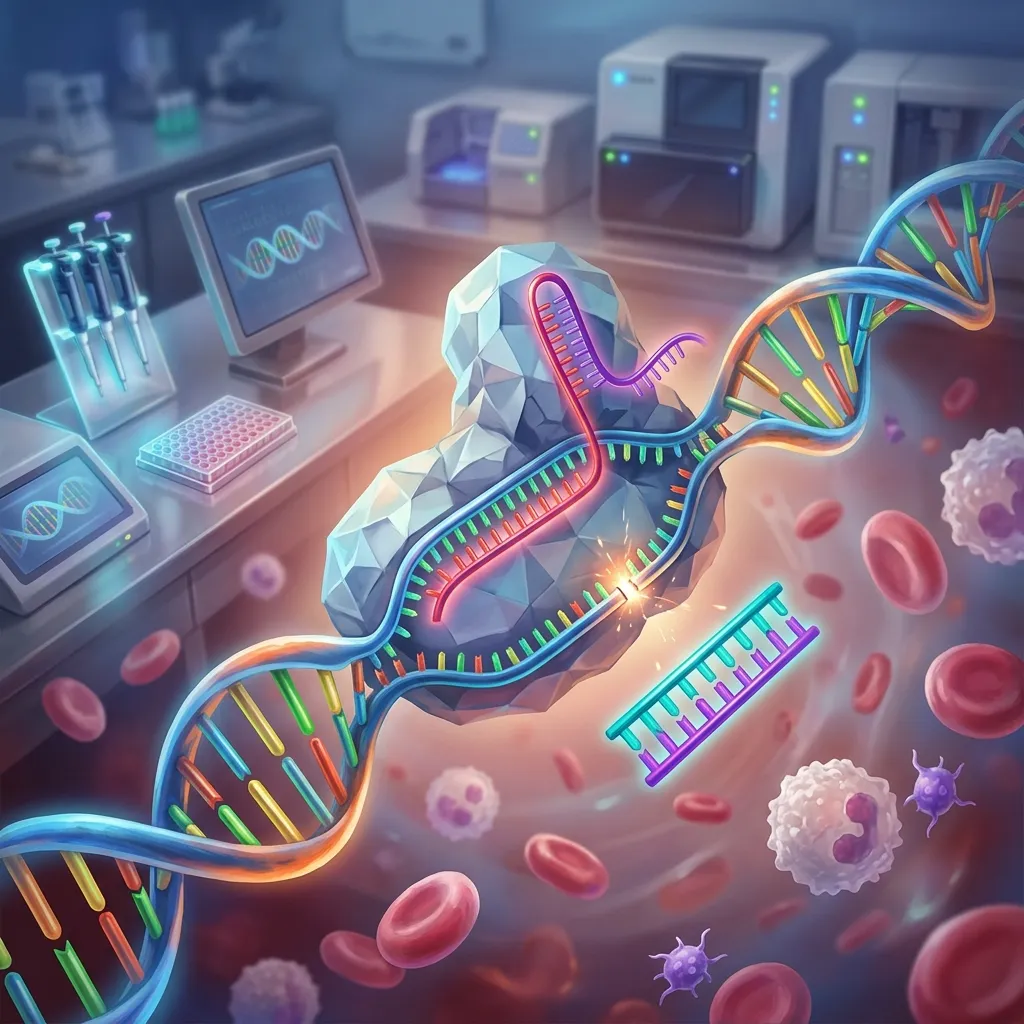
CRISPR is a tool that lets scientists edit DNA with remarkable precision. The full name is CRISPR-Cas9. Think of it as a pair of molecular scissors guided by GPS. The system finds a specific spot in the genome, cuts the DNA, and allows scientists to disable, repair, or replace a faulty sequence.
How does CRISPR-Cas9 work at the genetic level?
CRISPR-Cas9 has two main parts. The first is a guide RNA, which acts like an address. It directs the system to an exact location in the DNA. The second is the Cas9 enzyme, which makes the cut. Once the DNA is cut, the cell’s natural repair machinery takes over, allowing scientists to make a targeted change.
For blood disorders, CRISPR often edits hematopoietic stem cells—the blood-forming cells in bone marrow. These cells renew themselves throughout life, so a single successful edit can produce healthy blood cells for years.
Why is CRISPR better than older gene therapies?
Traditional gene therapy often relies on viral vectors to insert a new gene into a cell’s DNA. The problem is control. Early viral methods sometimes inserted genes in the wrong place, accidentally switching on cancer-causing genes.
CRISPR offers a major advantage: precision. Instead of adding a gene at a random location, it edits the existing code at an exact spot. It also works without a viral carrier, lowering certain safety risks. This precision is why CRISPR has become the leading tool in gene editing for blood diseases.
How Is CRISPR Used to Treat Sickle Cell Disease?
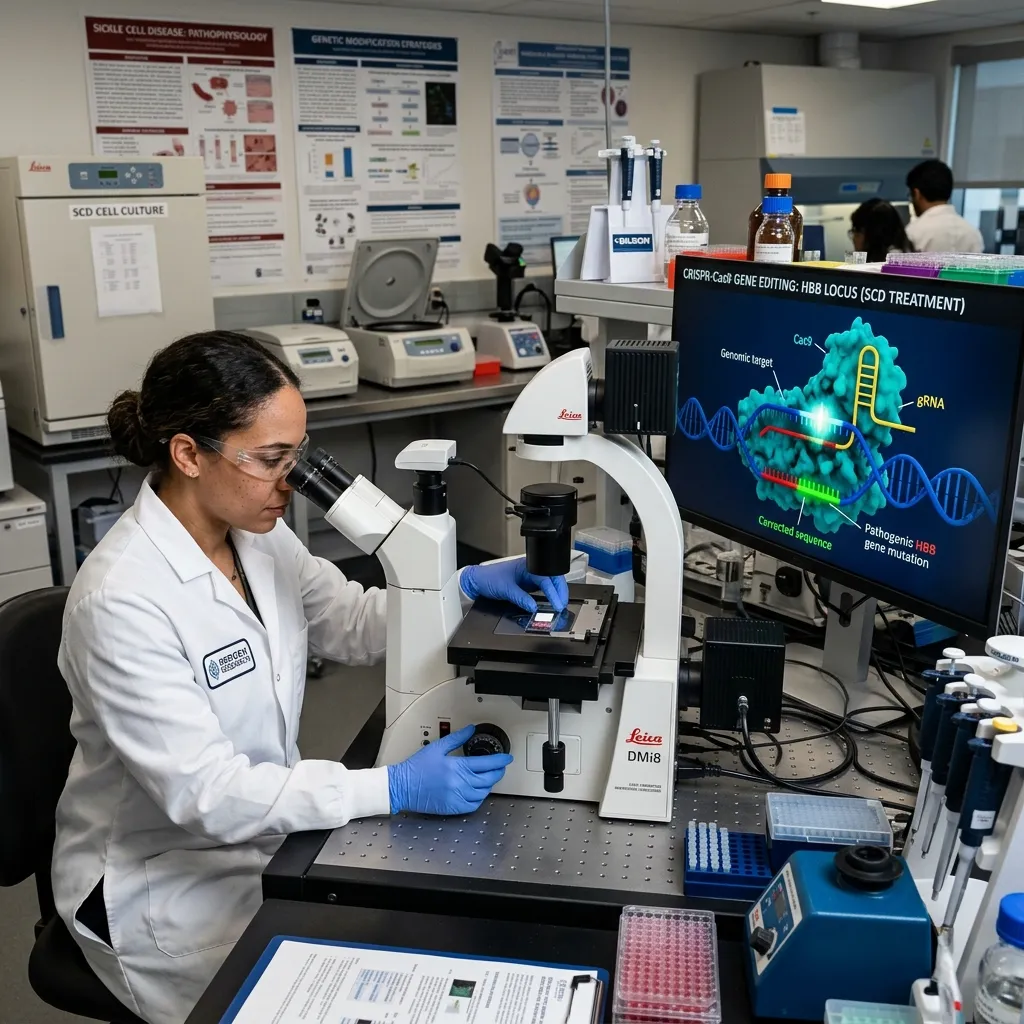 Sickle cell disease is one of the primary targets for CRISPR research. The condition is caused by a single mutation that warps red blood cells into a stiff, sickle shape. These misshapen cells block blood vessels, causing severe pain, organ damage, and frequent hospital visits.
What are the limits of current sickle cell treatments?
Standard treatments include pain management, blood transfusions, and the drug hydroxyurea. These approaches reduce symptoms but do not cure the disease. A bone marrow transplant can cure sickle cell, but it requires a closely matched donor—and most patients never find one.
How does CRISPR offer a potential cure for sickle cell?
CRISPR takes a clever route. Rather than fixing the broken adult hemoglobin gene directly, the leading therapy reactivates fetal hemoglobin. Babies naturally produce fetal hemoglobin in the womb, but a gene called BCL11A switches it off after birth. By disabling BCL11A with CRISPR, scientists turn fetal hemoglobin back on. This healthy hemoglobin replaces the defective adult version and prevents cells from sickling.
What do the clinical results show?
The results have been remarkable. Casgevy (exagamglogene autotemcel), approved by the FDA in December 2023, became the first CRISPR-based therapy approved for any disease. In clinical trials, the vast majority of treated sickle cell patients became free of severe pain crises—the most debilitating feature of the disease.
How Does CRISPR Therapy for Thalassemia Work?
Thalassemia is an inherited blood disorder caused by mutations in the genes that control hemoglobin production. When these genes malfunction, the body cannot make enough healthy hemoglobin, leading to chronic anemia. Beta thalassemia major is the most severe form, requiring blood transfusions every two to four weeks for survival.
What are the main types of thalassemia?
There are two main forms. Beta thalassemia affects the beta-globin chain of hemoglobin and is the focus of most current gene therapy. Alpha thalassemia affects the alpha-globin chains and ranges from a silent carrier state to fatal conditions in severe cases. Severity depends on how many globin genes are affected. If you want to understand your inherited risk, our guide on carrier screening in alpha thalassemia explains the testing process in detail.
How does CRISPR therapy for thalassemia treat the disease?
CRISPR therapy for thalassemia uses the same BCL11A strategy applied to sickle cell. Doctors collect the patient’s own hematopoietic stem cells, edit them in a lab to reactivate fetal hemoglobin, and reinfuse the corrected cells. Once they engraft in the bone marrow, these cells produce healthy hemoglobin and reduce or eliminate the need for transfusions.
What does the research reveal about CRISPR for thalassemia?
The clinical evidence is strong. The CLIMB THAL-111 trial reported that 39 out of 42 evaluable patients receiving Casgevy remained transfusion-free for at least 12 consecutive months. For people who once needed transfusions every few weeks, that result represents a complete change in daily life. Our detailed breakdown of CRISPR cures for thalassemia covers these breakthroughs in greater depth.
Can CRISPR Help With Hemophilia and Clotting Disorders?
 Hemophilia is a different kind of blood disorder. Instead of affecting red blood cells, it impairs the body’s ability to clot. People with hemophilia lack a working clotting factor, which leads to excessive bleeding from even minor injuries.
Why is hemophilia challenging to treat?
The standard treatment involves regular infusions of the missing clotting factor. While effective, this approach is expensive, time-consuming, and lifelong. Patients must manage their condition constantly to avoid dangerous bleeds.
How could CRISPR correct clotting factor deficiencies?
CRISPR research in hemophilia aims to insert or repair the gene responsible for producing the missing clotting factor, often in liver cells where these factors are made. The goal is a one-time treatment that restores the body’s natural ability to clot. This research is earlier in development than sickle cell and thalassemia work, but the potential is significant.
What Makes CRISPR a Game-Changer for Blood Disorders?
CRISPR gene editing blood disorders treatment marks a genuine shift in medicine. The reason is simple: it fixes the cause, not just the symptoms.
How does CRISPR correct mutations at their source?
Older treatments manage the downstream effects of a faulty gene. CRISPR goes straight to the DNA itself. By correcting or silencing the problem gene, the therapy allows the body to produce healthy blood cells on its own.
Why does CRISPR reduce the need for lifelong treatment?
Because CRISPR edits self-renewing stem cells, the correction lasts. These cells continue dividing and producing healthy blood throughout a patient’s life. For many patients, that means freedom from transfusions, daily medication, and constant hospital visits. To see how this compares with other curative options, our guide on the stem cell transplant process provides helpful context.
How does CRISPR support personalized medicine?
CRISPR therapies use a patient’s own cells. This removes the need for a matched donor and eliminates the risk of graft-versus-host disease that comes with traditional transplants. Treatment is tailored to the individual, making it a clear example of personalized medicine in action.
What Are the Challenges and Ethical Concerns?
No breakthrough comes without trade-offs. CRISPR gene editing blood disorders treatment carries real risks that patients and families must weigh carefully.
What are the safety concerns with CRISPR?
The biggest technical concern is off-target editing, where the molecular scissors cut the wrong section of DNA. Such errors could disrupt healthy genes. To reduce this risk, scientists are developing next-generation tools like base editing and prime editing, which change single DNA letters without cutting both strands.
The treatment process also requires myeloablative chemotherapy to clear the old bone marrow before the edited cells are infused. This conditioning causes fatigue, nausea, infection risk, and a substantial risk of infertility.
What ethical debates surround gene editing?
Current CRISPR therapies edit only somatic cells—the body’s own cells. The changes are not passed to future children. Germline editing, which would alter inheritable DNA, remains strictly prohibited in human clinical use. This line between treating a patient and altering future generations sits at the heart of the ethical debate.
How accessible and affordable is CRISPR therapy?
Cost is the largest barrier. Approved therapies like Casgevy carry list prices of roughly $2.8 million per patient. Because thalassemia and sickle cell disease affect many people in low- and middle-income countries, expanding access is as important as advancing the science. Healthcare systems are now exploring outcomes-based payment models, where payment depends on long-term success.
What Does the Future Hold for CRISPR in Hematology?
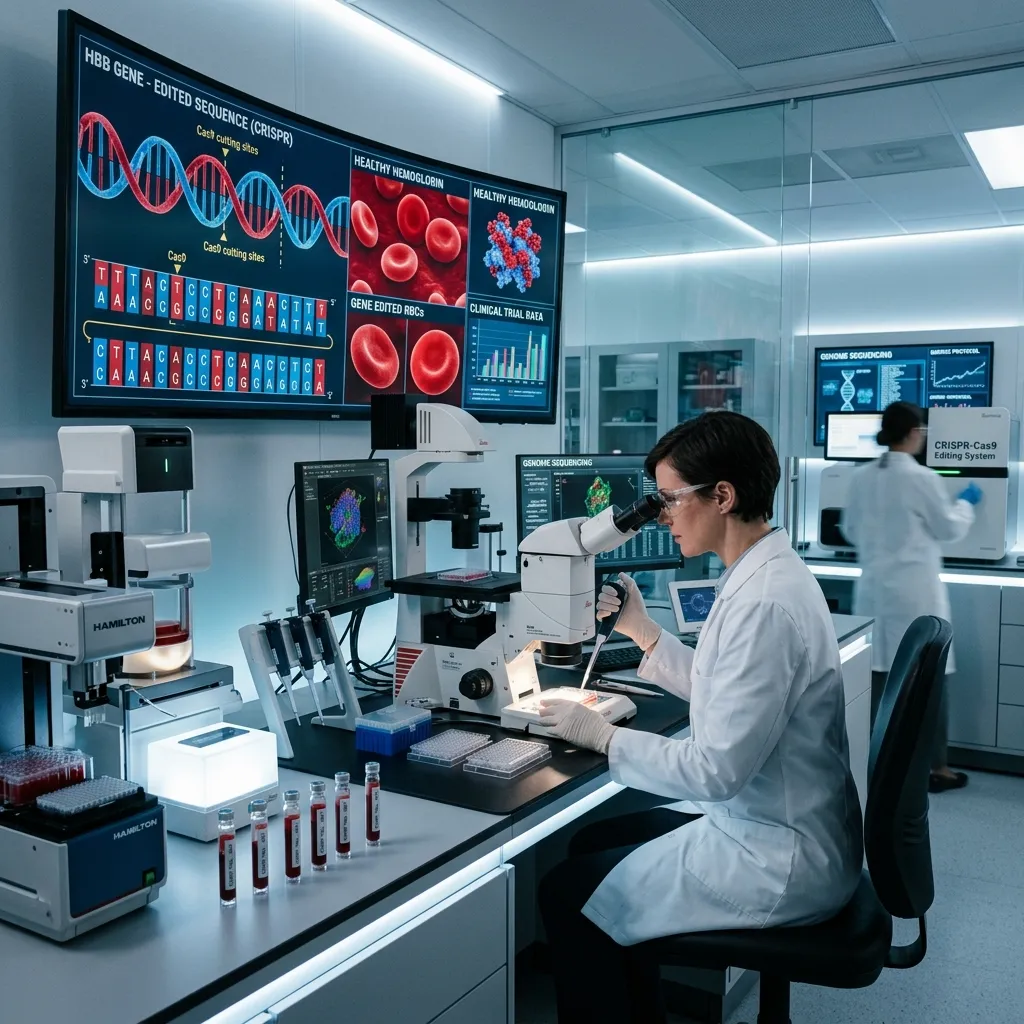 The pace of progress is striking. Researchers are moving beyond standard CRISPR toward base editing and prime editing, which promise even greater precision and safety. These tools could reduce off-target risks and expand the range of treatable conditions.
Scientists are also exploring in vivo CRISPR, where editing happens directly inside the body rather than in a lab. If successful, this could simplify treatment and lower costs dramatically. Researchers are studying induced pluripotent stem cells too, which could one day supply an unlimited source of corrected cells.
Regulatory pathways are evolving alongside the science. The FDA requires patients who receive gene therapies to join 15-year follow-up studies, ensuring long-term safety data continues to build. As more therapies gain approval, the framework for evaluating them grows stronger. For a wider look at what’s coming, our overview of future treatments for blood disorders explores the next wave of innovation.
For trusted external information, the National Human Genome Research Institute and the Thalassemia International Federation offer reliable resources for patients and families.
Conclusion
CRISPR gene editing blood disorders treatment represents one of the most exciting advances in modern medicine. For conditions once managed only with transfusions and daily medication, CRISPR offers the possibility of a true cure. Approved therapies for sickle cell disease and thalassemia have already changed lives, and research into hemophilia and other disorders continues to expand.
Challenges remain—high costs, conditioning risks, and questions of access all demand careful attention. But the trajectory is clear. As the technology matures and prices fall, gene editing for blood diseases will reach more patients than ever before.
If you or a loved one is living with an inherited blood disorder, talk with a hematologist about whether CRISPR therapy might be an option. Stay informed, ask questions, and lean on patient advocacy organizations for support. The science is moving fast, and the future looks brighter than ever.
Frequently Asked Questions
1. What is CRISPR gene editing for blood disorders?
CRISPR gene editing blood disorders treatment corrects or silences the faulty genes behind inherited conditions like sickle cell disease and thalassemia. Doctors edit a patient’s own stem cells, then reinfuse them to produce healthy blood cells. This approach is a leading example of gene editing for blood diseases.
2. Can CRISPR cure sickle cell disease and thalassemia?
For many patients, yes. CRISPR blood disorder treatment acts as a functional cure. Most treated patients achieve freedom from pain crises (sickle cell disease) or transfusion independence (CRISPR therapy for thalassemia), though doctors continue long-term monitoring.
3. How much does CRISPR therapy for blood disorders cost?
Approved CRISPR blood disorder treatment options such as Casgevy cost approximately $2.8 million per patient. This high price remains one of the largest barriers to access worldwide.
4. Is CRISPR therapy for thalassemia safe?
CRISPR therapy for thalassemia has shown strong safety results in clinical trials, but risks remain. These include chemotherapy side effects, infection, infertility, and a small possibility of off-target gene edits. Long-term follow-up is essential.
5. Who qualifies for CRISPR gene editing treatment?
Current approvals typically cover patients aged 12 and older with severe, transfusion-dependent disease who lack a matched bone marrow donor and can tolerate conditioning chemotherapy. Eligibility requirements vary depending on the specific CRISPR blood disorder treatment being used.
6. How long do the effects of CRISPR treatment last?
The effects are expected to be long-lasting or permanent. Because gene editing for blood diseases targets self-renewing stem cells, the corrected cells can continue producing healthy blood cells for many years.
7. Does CRISPR change DNA that gets passed to children?
No. Current CRISPR gene editing blood disorders therapies edit only somatic (body) cells, so the genetic changes are not inherited. Germline editing, which would affect future generations, is not used in approved human treatments.
8. Is CRISPR available for hemophilia?
CRISPR research for hemophilia is ongoing but remains less advanced than CRISPR therapy for thalassemia and sickle cell disease. Researchers hope to repair or replace the genes responsible for producing missing clotting factors.
9. What is the difference between CRISPR and traditional gene therapy?
Traditional gene therapy typically adds a new gene using a viral vector. In contrast, gene editing for blood diseases with CRISPR modifies the existing DNA sequence at a precise location, offering greater control and accuracy.
10. Where can I learn more about CRISPR for blood disorders?
Consult a hematologist, review information from major blood-disorder organizations, and explore scientific resources focused on CRISPR gene editing blood disorders, CRISPR therapy for thalassemia, and other emerging gene-editing treatments.