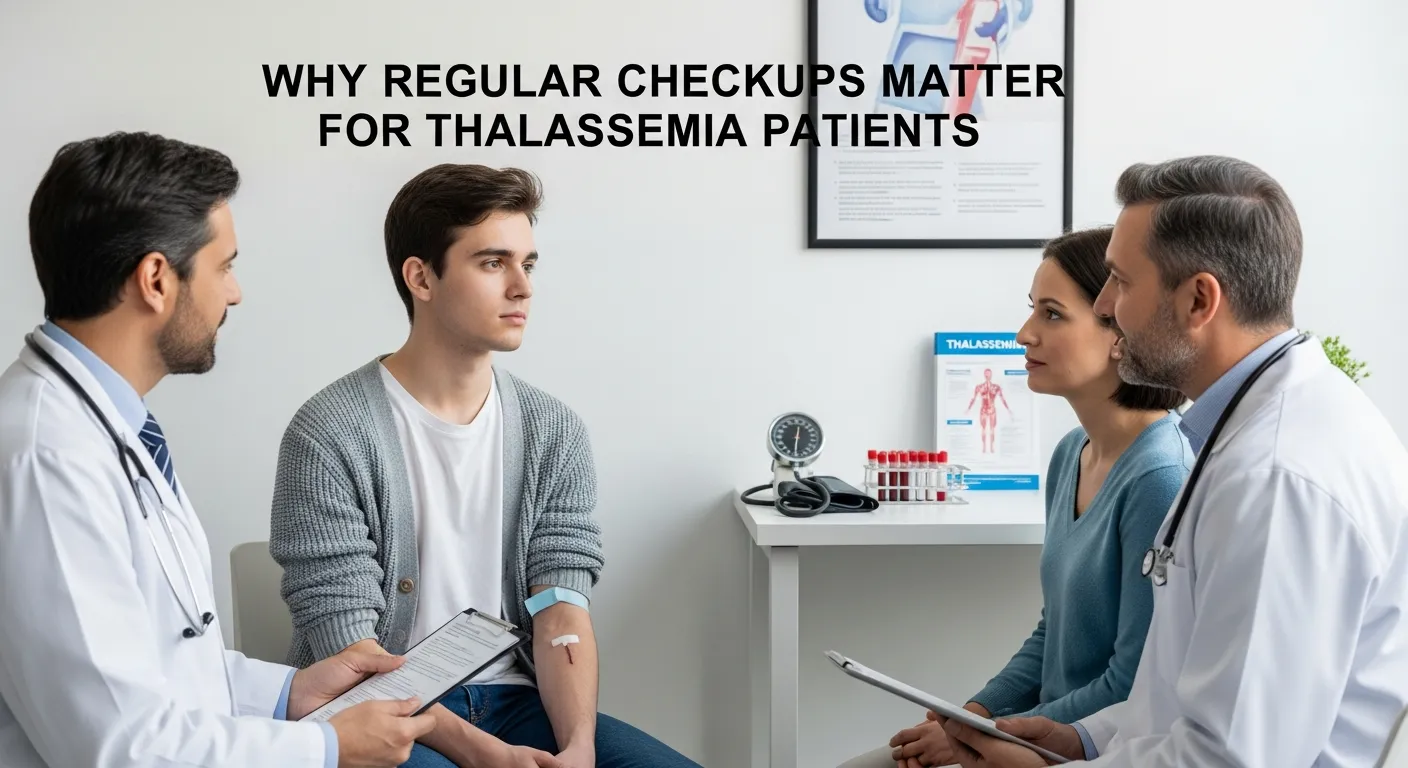
Regular checkups matter for thalassemia because they help monitor hemoglobin levels, detect complications early, and manage iron overload. Routine medical follow-ups ensure better treatment outcomes, prevent organ damage, and improve long-term health and quality of life.
The regular checkup importance in thalassemia lies in its ability to track hemoglobin levels, manage iron overload, and prevent severe organ damage. Consistent monitoring allows healthcare providers to adjust treatments like blood transfusions and chelation therapy, ultimately improving a patient’s life expectancy and daily quality of life.
Living with a genetic blood disorder requires constant vigilance and a proactive approach to health management. Thalassemia reduces the body’s ability to produce healthy hemoglobin, the essential protein responsible for carrying oxygen throughout the body. When hemoglobin levels fall too low, patients may experience chronic anemia, severe fatigue, weakness, delayed growth, and complications affecting the heart, liver, and endocrine system. Because of these risks, the regular checkup importance in thalassemia cannot be overstated.
Regular medical follow-ups are essential for preventing long-term complications caused by iron overload, which occurs due to frequent blood transfusions. Without proper monitoring, excess iron can accumulate in vital organs, leading to irreversible damage. Through scheduled checkups, doctors can assess ferritin levels, liver function, cardiac health, and overall treatment effectiveness, ensuring timely adjustments to therapy.
Many people wonder how they can maintain a high quality of life despite a chronic diagnosis. The answer heavily relies on proactive and consistent medical care. Understanding the regular checkup importance in thalassemia helps patients stay ahead of potential health crises and maintain stability in their condition. Early detection of complications allows healthcare teams to modify treatment plans before minor issues become serious or life-threatening.
This comprehensive guide will walk you through exactly why these medical appointments are vital. You will learn about the science behind thalassemia, the specific tests involved in routine clinic visits, and how regular monitoring supports better long-term outcomes.
In addition, adopting a structured care routine that emphasizes the regular checkup importance in thalassemia empowers patients to take control of their health. Education, awareness, and adherence to medical advice play a crucial role in improving survival rates and enhancing day-to-day well-being.
What is the genetic basis and impact of thalassemia?
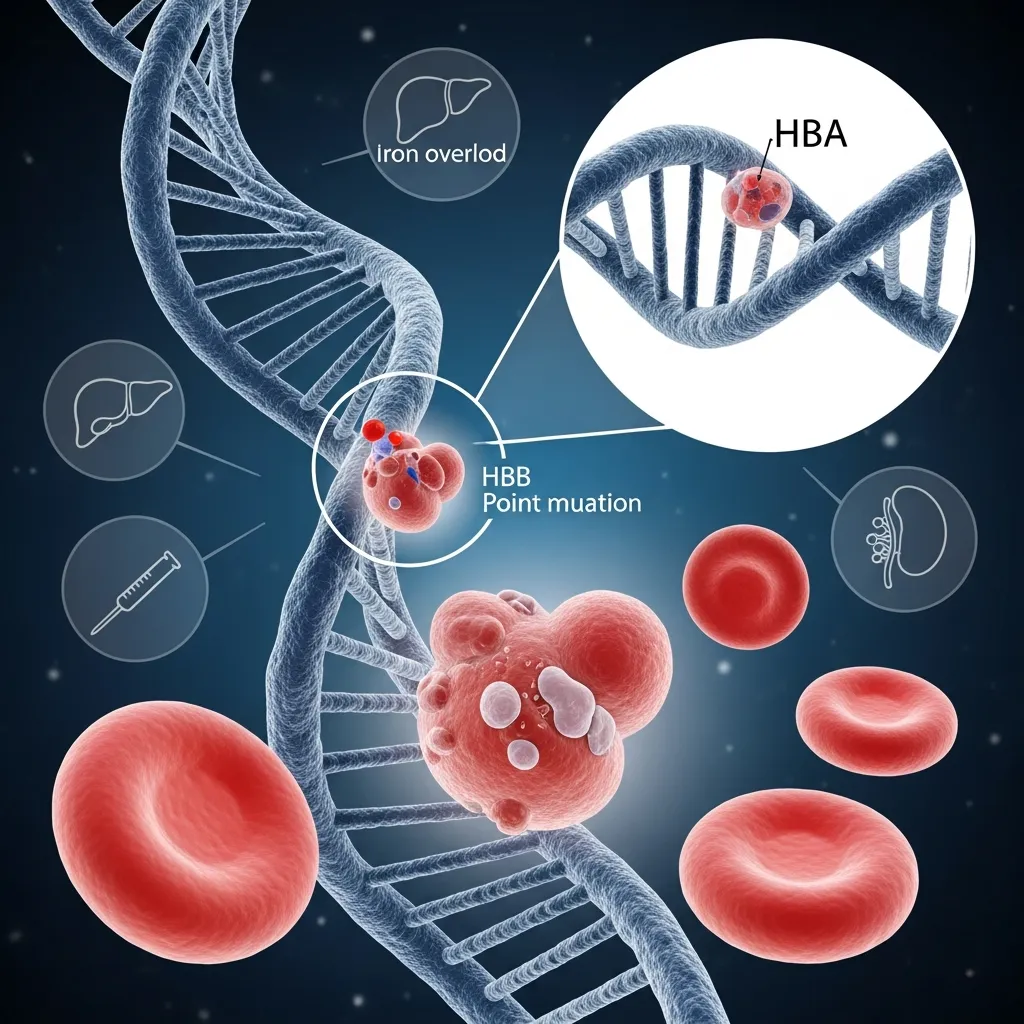 Thalassemia is an inherited blood disorder caused by mutations in the genes responsible for producing hemoglobin. These mutations affect either the alpha-globin or beta-globin chains, which are essential building blocks of the hemoglobin molecule. When these genes are defective, the body cannot produce enough healthy hemoglobin, leading to chronic anemia that can range from mild to severe depending on the specific genetic mutation inherited.
The impact on the human body is significant and affects multiple organ systems. Because oxygen delivery is reduced, the heart must work harder to circulate blood throughout the body, often leading to long-term cardiovascular strain and, in severe cases, heart complications. At the same time, the bone marrow attempts to compensate by producing more red blood cells, which can cause bone expansion, skeletal deformities, and increased fragility over time.
In addition, iron overload is a major complication, especially in patients who require frequent blood transfusions. Excess iron can accumulate in vital organs such as the liver, heart, and endocrine glands, potentially leading to irreversible damage if not properly managed. This is why understanding disease progression is essential for long-term care.
The regular checkup importance in thalassemia becomes even more evident when considering how rapidly these internal changes can develop. Without consistent monitoring, patients are at higher risk of developing severe complications such as organ failure, hormonal imbalances, delayed growth, and chronic fatigue. Regular assessments help detect early warning signs before they become life-threatening.
Routine medical follow-ups also allow healthcare providers to adjust treatment strategies such as transfusion schedules and iron chelation therapy. This proactive approach improves survival rates and enhances quality of life.
Overall, the regular checkup importance in thalassemia lies in early detection, continuous monitoring, and timely intervention, which are essential for managing both genetic and long-term complications effectively.
What are the comprehensive components of a regular thalassemia checkup?
A thorough medical visit goes far beyond a simple conversation with a doctor. Healthcare providers use a highly structured set of diagnostic tools to evaluate how the body is responding to thalassemia and its ongoing treatments. The goal of a routine evaluation is not only to monitor current health status but also to detect early signs of complications before they become severe.
Why are physical examinations and vital signs important?
Every checkup begins with a detailed physical examination. A doctor will assess vital signs such as heart rate, blood pressure, respiratory rate, and oxygen saturation. They will also listen to the heart and lungs and examine the abdomen for signs of liver or spleen enlargement. Visible indicators like jaundice, pale skin, or abdominal swelling provide immediate clues about disease progression.
These baseline observations help clinicians quickly understand the patient’s overall stability and determine whether further testing is needed. In the context of thalassemia care, early detection of physical changes can prevent serious complications.
What laboratory tests are included in routine monitoring?
Blood tests are a central part of a thalassemia checkup. Complete blood count (CBC) is used to measure hemoglobin levels, red blood cell counts, and overall oxygen-carrying capacity. Serum ferritin testing is equally important, as it helps evaluate iron overload caused by repeated blood transfusions.
Additional tests may include liver function tests, kidney function panels, and endocrine evaluations to monitor how well vital organs are functioning over time. These results guide doctors in adjusting treatments such as transfusion frequency and iron chelation therapy.
How is iron overload monitored and managed?
Iron overload is one of the most serious long-term complications of thalassemia. Regular imaging tests such as MRI scans of the heart and liver are often used to measure iron accumulation in organs. This helps doctors determine whether current chelation therapy is effective or needs adjustment.
Monitoring iron levels is a critical part of the regular checkup importance in thalassemia, as early intervention can prevent irreversible organ damage.
Why is ongoing treatment evaluation necessary?
During each visit, doctors evaluate how well treatments like blood transfusions and iron chelation therapy are working. Adjustments are made based on test results, symptoms, and overall patient condition. This personalized approach ensures that therapy remains effective and safe.
In many cases, growth and hormone development are also monitored, especially in children and adolescents, to ensure proper physical development.
How do regular checkups improve long-term outcomes?
Consistent monitoring plays a crucial role in reducing complications and improving life expectancy. The regular checkup importance in thalassemia lies in early detection, timely intervention, and continuous treatment optimization. Without routine care, patients face a higher risk of heart disease, liver damage, hormonal imbalance, and severe anemia-related fatigue.
Which blood tests are the cornerstones of monitoring?
Blood tests form the core of any long-term blood monitoring plan. They provide the exact chemical data needed to adjust medical therapies.
Complete Blood Count (CBC) and Hemoglobin Levels
A CBC measures the number and quality of your red blood cells. Utilizing accurate hemoglobin level tracking methods allows doctors to decide if and when you need a blood transfusion.
Iron Overload Assessment
For patients receiving frequent blood transfusions, iron overload is a massive threat. The human body cannot easily eliminate excess iron. Doctors use specific iron level monitoring tests like the serum ferritin test to measure stored iron.
Liver and Kidney Function Tests
Excess iron frequently accumulates in the liver. Liver enzyme tests indicate if the organ is under stress or experiencing cellular damage. Kidney function is also closely tracked to ensure the body can safely process and excrete medications.
Endocrine Function Tests
The endocrine system, which regulates hormones, is highly sensitive to iron toxicity. Doctors regularly test thyroid function, blood sugar levels, and reproductive hormones to prevent complications like diabetes or delayed puberty.
How do doctors monitor cardiac and bone health?
Heart failure is a leading cause of complications in severe thalassemia. Cardiologists use echocardiograms (ultrasounds of the heart) and ECGs to monitor heart rhythm and pumping efficiency. According to the Centers for Disease Control and Prevention (CDC), routine cardiac imaging is mandatory for catching iron accumulation in the heart muscle early. Choose a specialized cardiac MRI (like a T2* scan) if precise, non-invasive iron overload assessment matters more to you than standard ultrasound results.
Bone density scans (DEXA scans) are also critical. Because bone marrow expansion weakens the skeletal structure, tracking bone density helps doctors prescribe calcium, vitamin D, or specific bone-strengthening medications before fractures occur.
Why is genetic testing and counseling included?
Genetic counseling helps patients understand the specific mechanics of their mutations. For adults planning to start a family, genetic testing provides essential information about the likelihood of passing the disorder to their children, allowing for informed family planning.
 The regular checkup importance in thalassemia cannot be overstated when evaluating long-term health outcomes and quality of life for patients. Consistent monitoring creates a structured framework that allows healthcare providers to detect changes early, adjust treatment plans effectively, and prevent irreversible complications.
Modern medicine views the patient as the most important member of the healthcare team. Passive participation is no longer the standard.
To take control of your health, you must focus on understanding your test results and treatment plans. Ask your hematologist to explain what your ferritin levels mean and why a specific medication dose was chosen. Maintaining open communication with your healthcare providers builds a strong safety net. If a medication makes you feel nauseous, report it immediately so the team can find a better alternative.
Adherence to medication and lifestyle recommendations is also vital. Implementing holistic thalassemia care plans that encompass nutrition, mental health support, and gentle exercise ensures your body is as resilient as possible.
What does the future of thalassemia management look like?
The landscape of hematology is evolving at a staggering pace. Advanced diagnostics, such as non-invasive wearable sensors for hemoglobin tracking, are currently in development, promising to make daily monitoring easier and painless.
Even more exciting is the rise of emerging therapies. Medical researchers, supported by institutions like the National Institutes of Health (NIH), are making massive strides in genetic engineering. Exploring gene therapy for thalassemia shows that correcting the faulty DNA directly can lead to transfusion independence for many patients. As these therapies become more accessible, the nature of standard checkups will shift from managing crises to celebrating sustained health.
 Living with a genetic blood disorder is a complex journey, but it is one you do not have to navigate blindly. The regular checkup importance in thalassemia is the anchor that keeps your health stable over time. By prioritizing consistent diagnostic testing, working closely with your healthcare team, and staying informed about your condition, you build a strong foundation for long-term well-being and disease control.