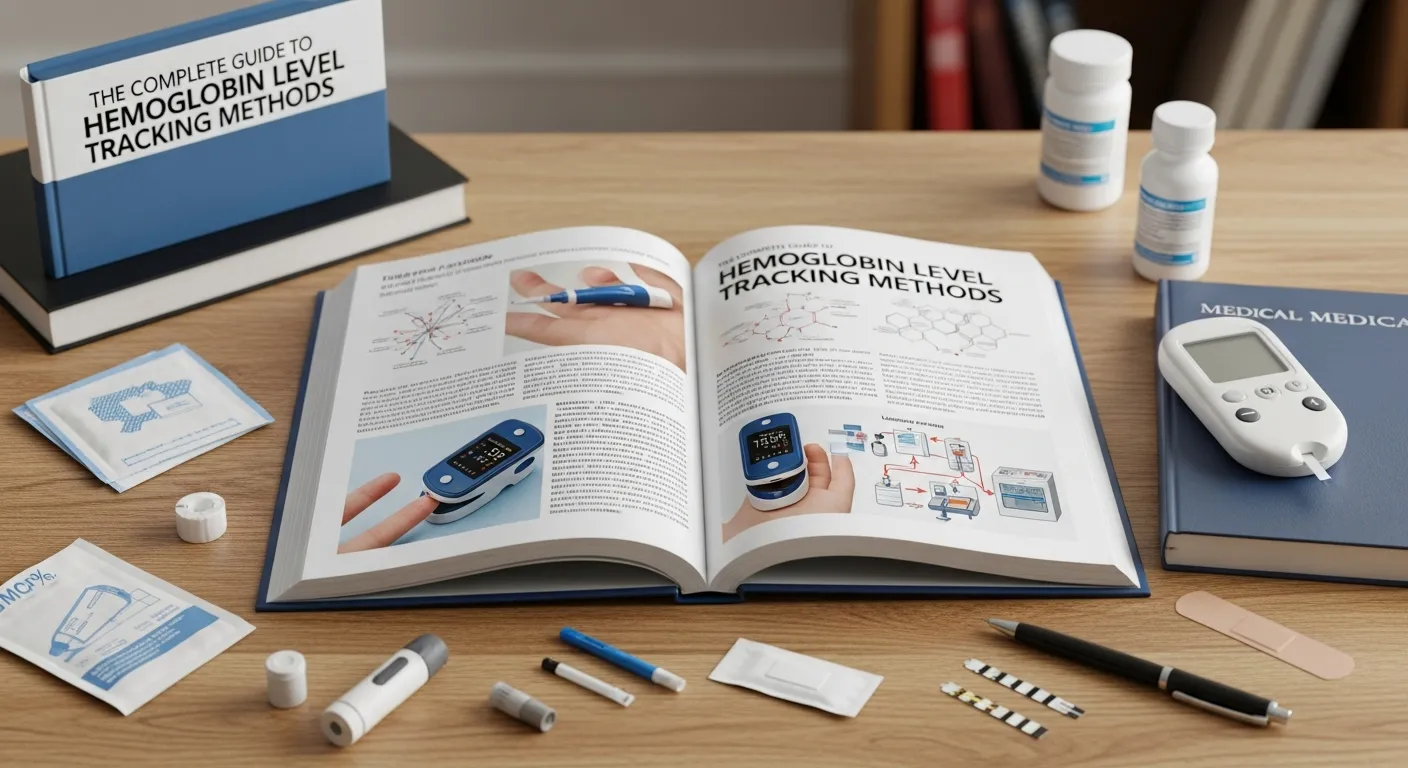
Hemoglobin Level Tracking Methods include CBC tests, lab blood analysis, and portable hemoglobin meters to monitor blood health. These methods help detect anemia, manage thalassemia, and guide treatment decisions by regularly assessing oxygen-carrying capacity and overall hemoglobin levels.
Hemoglobin is the vital iron-rich protein inside your red blood cells that gives blood its red color. Its primary job is to carry oxygen from your lungs to the rest of your body while transporting carbon dioxide back to your lungs to be exhaled. When your hemoglobin levels drop too low or climb too high, your body immediately feels the effects. You might experience profound fatigue, shortness of breath, or a rapid heartbeat. Recognizing these physical signs is helpful, but relying solely on how you feel is not a medical strategy.
Understanding your exact blood health requires precise measurement. This is why hemoglobin level tracking methods are a fundamental component of modern healthcare. By consistently measuring the concentration of this crucial protein, doctors can diagnose underlying health conditions, evaluate the effectiveness of an ongoing treatment plan, and catch potential medical emergencies before they escalate. Consistent tracking provides a clear, data-driven picture of how well your body is distributing oxygen to your vital organs.
Tracking becomes even more critical for individuals living with hemoglobinopathies. These are inherited genetic disorders that disrupt the normal structure or production of the hemoglobin molecule. Conditions like sickle cell disease and thalassemia cause the body to produce abnormal hemoglobin or severely limit its production altogether. For example, recognizing alpha thalassemia symptoms early often prompts a doctor to initiate a strict monitoring regimen. Without regular blood assessments, patients with these genetic disorders face severe anemia, organ damage, and life-threatening complications.
Fortunately, modern medicine offers a wide variety of tools to measure your blood health. From sophisticated laboratory tests that break down the exact molecular structure of your blood to simple digital monitors you can use in your living room, the available hemoglobin level tracking methods have never been more accessible. Understanding hemoglobin level tracking methods, how these different tests work, what they measure, and when they are applied will empower you to take an active role in your own healthcare journey.
Traditional Hemoglobin Level Tracking Methods
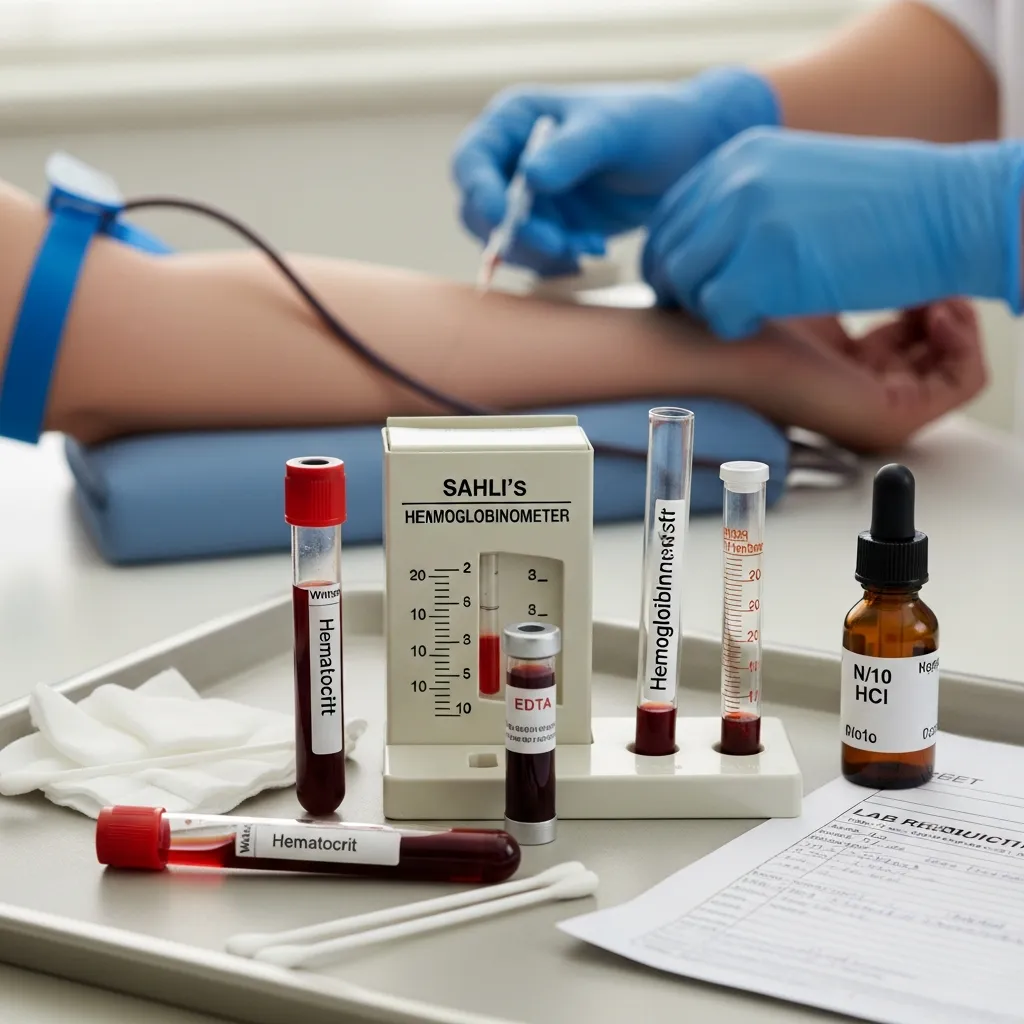 Medical professionals rely on established, highly regulated laboratory tests to get a comprehensive view of your blood. These traditional hemoglobin level tracking methods are the gold standard for diagnosing complex disorders and establishing a baseline for your overall health.
Complete Blood Count (CBC)
The Complete Blood Count (CBC) is arguably the most common blood test performed worldwide. During this procedure, a healthcare professional draws a small sample of blood from a vein in your arm. The sample is sent to a laboratory, where automated machines count the specific types of cells present in your blood. You can learn more about standard laboratory testing protocols from the National Institutes of Health (NIH).
A standard CBC provides a wealth of information. It measures your total Red Blood Cell (RBC) count, the raw Hemoglobin (Hgb) concentration, and your Hematocrit (Hct), which is the proportion of your blood made up of red blood cells. The test also evaluates Mean Corpuscular Volume (MCV), Mean Corpuscular Hemoglobin (MCH), Mean Corpuscular Hemoglobin Concentration (MCHC), and Red Cell Distribution Width (RDW). These indices tell the doctor the exact size, shape, and physical characteristics of your red blood cells.
Doctors use the CBC as one of the most reliable hemoglobin level tracking methods to diagnose anemia, infections, and clotting disorders. The frequency of this test depends entirely on your health status. A healthy adult might only need a CBC once a year during an annual physical, whereas someone managing a chronic blood disorder might require this test every few weeks.
Hemoglobin Electrophoresis
When a CBC indicates an abnormality but cannot pinpoint the cause, doctors often order hemoglobin electrophoresis. This specialized test acts as a molecular sorting machine. It applies an electrical current to a blood sample, causing different types of hemoglobin to separate and form distinct bands based on their electrical charge.
This separation allows pathologists to identify exactly which types of hemoglobin are circulating in your bloodstream. Healthy adults primarily have Hemoglobin A. The presence of abnormal variants—such as Hemoglobin S, Hemoglobin C, or high levels of fetal hemoglobin—helps doctors diagnose specific genetic disorders. This test is frequently used when a patient shows signs of sickle cell disease or requires personalized thalassemia care to manage a specific genetic mutation. Hemoglobin electrophoresis is considered one of the most accurate hemoglobin level tracking methods for identifying inherited hemoglobin disorders.
High-Performance Liquid Chromatography (HPLC)
High-Performance Liquid Chromatography (HPLC) is an advanced diagnostic method known for its exceptional precision. Instead of using an electrical current, HPLC forces the blood sample through a column filled with specialized solid particles under high pressure. Different hemoglobin molecules travel through the column at different speeds, allowing scientists to separate and quantify them with incredible accuracy.
HPLC is widely regarded as one of the most reliable hemoglobin level tracking methods for identifying rare hemoglobin variants. It is particularly useful in newborn screening programs and for confirming complex genetic diagnoses that might appear ambiguous on standard electrophoresis tests. Because of its accuracy, HPLC is often used as a reference method when doctors need detailed insights into hemoglobin composition.
In addition, HPLC plays an important role in long-term monitoring of patients with inherited blood disorders. It helps clinicians track subtle changes in hemoglobin patterns over time, making it easier to adjust treatment plans and improve patient outcomes.
Blood Smear Examination
Sometimes, technology needs to be supplemented by human observation. A blood smear examination involves spreading a drop of blood across a glass slide, staining it with special dyes, and examining it directly under a powerful microscope.
This visual assessment allows a trained hematologist to look at the physical structure of the red blood cells. They can spot morphological abnormalities, such as target cells, teardrop cells, or sickle-shaped cells. While automated machines can count cells quickly, a blood smear provides critical context about cell health and development that machines occasionally miss. Blood smear analysis remains one of the essential hemoglobin level tracking methods for detailed cellular evaluation in complex cases.
Beyond diagnosis, blood smear examination also supports ongoing disease monitoring. It helps doctors evaluate how well treatments are working by observing improvements or worsening in red blood cell shape and structure. This makes it a valuable companion tool alongside advanced tests like HPLC in comprehensive hemoglobin level tracking methods.
At-Home Hemoglobin Level Tracking Methods
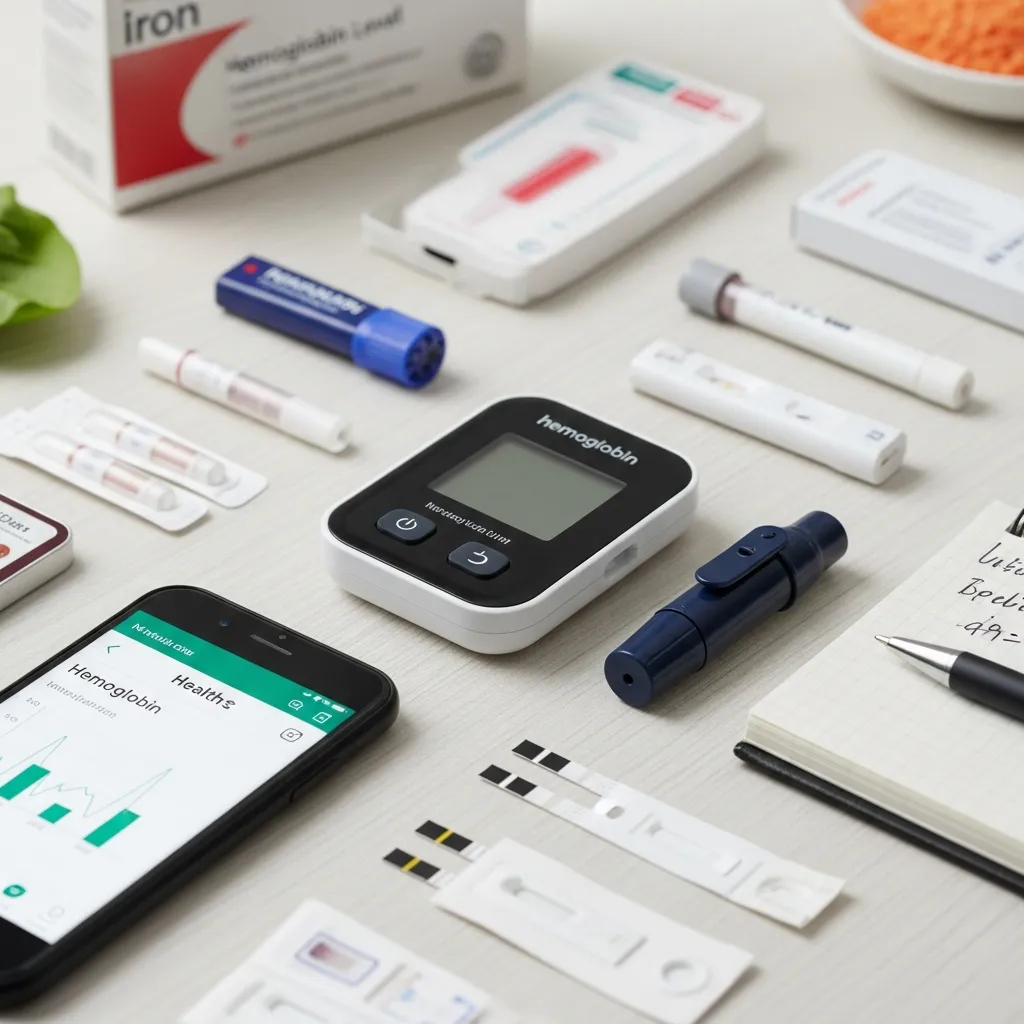 Frequent hospital visits for blood draws can be exhausting, expensive, and disruptive to daily life. In response, medical technology has evolved to bring diagnostic tools directly into the patient’s home. At-home hemoglobin level tracking methods provide convenience and immediate data, helping patients monitor their condition proactively.
Point-of-Care (POC) Devices
Point-of-Care (POC) devices are portable, digital hemoglobinometers that allow patients to test their blood outside a clinical setting. Devices like the HemoCue or the Nesco analyzer require only a tiny finger-prick of blood. You place the drop onto a specialized microcuvette, insert it into the machine, and receive a digital reading within seconds.
The primary advantage of these devices is immediate feedback. Patients managing chronic anemia can check their levels instantly if they feel suddenly fatigued. However, POC devices do have limitations. They are highly sensitive to user error. If you do not wipe away the first drop of blood or if you squeeze your finger too aggressively, tissue fluid can dilute the sample and cause an inaccurate reading. Regulatory bodies like the Food and Drug Administration (FDA) provide guidelines on the safe use and calibration of these personal medical devices.
Non-Invasive Hemoglobin Monitoring
The most cutting-edge hemoglobin level tracking methods involve completely non-invasive technology. Using principles similar to a standard pulse oximeter, these devices clip onto a finger and use multi-wavelength light sensors to analyze the blood flowing through the capillaries.
Because they do not require a needle prick, non-invasive monitors eliminate the risk of infection and the pain of repeated testing. Emerging technologies, including wearable sensors integrated into smartwatches, are currently in development. While these tools are fantastic for observing trends over time, their absolute numerical accuracy is still being refined compared to direct blood sampling.
Despite this limitation, non-invasive approaches are becoming increasingly important in modern healthcare because they allow frequent monitoring without discomfort. This makes them especially useful for patients who require continuous observation, such as those managing chronic anemia or thalassemia. In the broader range of hemoglobin level tracking methods, they offer a convenient way to detect early changes and monitor overall trends in blood oxygen and hemoglobin status.
As technology advances, these devices are expected to become more accurate and widely accessible. In the future, they may play a major role alongside traditional laboratory tests, creating a more complete and patient-friendly system of hemoglobin level tracking methods that combines precision with ease of use.
Benefits and Challenges of At-Home Monitoring
Shifting testing to the home environment profoundly empowers patients and caregivers. Learning how to monitor thalassemia at home or manage sickle cell crises proactively allows individuals to adjust their activity levels and communicate more effectively with their doctors. It reduces anxiety by replacing guesswork with tangible numbers.
The main challenge lies in the potential for data inaccuracy. At-home monitors can sometimes drift out of calibration or be used incorrectly. Therefore, these tools should supplement—not replace—professional laboratory testing. Any alarming reading obtained at home must be confirmed by a clinical blood draw before making major medical decisions.
Factors Influencing Hemoglobin Levels and Tracking Accuracy
Your hemoglobin levels are not static; they fluctuate based on a wide variety of biological and environmental factors. Understanding these variables is crucial when interpreting the results from any of the hemoglobin level tracking methods mentioned above.
First, hydration plays a significant role in your blood concentration. If you are severely dehydrated, your blood plasma volume drops, which can falsely elevate your hemoglobin reading. Conversely, carrying excess fluid can dilute the blood, making your levels appear artificially low.
Altitude also impacts hemoglobin production. Individuals living at high elevations naturally produce more red blood cells to compensate for the lower concentration of oxygen in the air.
Dietary habits heavily influence your numbers. Deficiencies in iron, vitamin B12, or folate will cause hemoglobin levels to plummet, leading to nutritional anemia. Finally, chronic inflammation, kidney disease, and specific genetic traits all dictate how efficiently your bone marrow produces and sustains healthy red blood cells. These factors can directly influence the accuracy and interpretation of hemoglobin level tracking methods, making it essential to evaluate results within a full clinical context rather than in isolation.
Environmental conditions, physical activity levels, and even recent illnesses can also temporarily shift hemoglobin readings. For example, intense exercise or infections may slightly alter results, which is why repeat testing is often recommended in uncertain cases.
Taking Control of Your Health Journey
 Tracking your blood health requires a balanced approach. By combining the precision of traditional laboratory tests with the convenience of modern at-home monitors, you can build a comprehensive understanding of your body’s oxygen delivery system through different hemoglobin level tracking methods.
Whether you are navigating a chronic genetic condition or simply looking to optimize your nutritional health, leveraging these hemoglobin level tracking methods is a powerful step forward. Staying consistent with medical appointments, following proper testing guidelines, and understanding influencing factors all contribute to more accurate results.
Ultimately, your blood provides valuable insight into your overall wellbeing. With the right hemoglobin level tracking methods and proper medical guidance, you can make informed decisions, detect changes early, and maintain better long-term health control.
Conclusion
Traditional hemoglobin level tracking methods such as CBC, hemoglobin electrophoresis, HPLC, and blood smear examination remain essential tools in modern healthcare. These tests provide accurate, detailed insights into blood health, helping doctors diagnose anemia, thalassemia, sickle cell disease, and other hemoglobin disorders. By combining these reliable diagnostic approaches, healthcare professionals can monitor disease progression, evaluate treatment effectiveness, and prevent serious complications. Regular use of hemoglobin level tracking methods ensures timely medical intervention and supports better long-term health outcomes for patients.
FAQ
1. What are hemoglobin level tracking methods?
Hemoglobin level tracking methods are medical tests used to measure and monitor hemoglobin in the blood to assess overall blood health and oxygen-carrying capacity.
2. Why are hemoglobin level tracking methods important?
They are important because they help diagnose conditions like anemia and thalassemia, monitor treatment progress, and detect early signs of blood-related disorders.
3. What is a Complete Blood Count (CBC)?
A CBC is a common blood test that measures hemoglobin levels, red blood cells, white blood cells, and other important blood components.
4. How often should hemoglobin levels be checked?
It depends on health status. Healthy individuals may test yearly, while patients with chronic conditions may need frequent monitoring.
5. What is hemoglobin electrophoresis used for?
It is used to identify abnormal types of hemoglobin and diagnose genetic disorders such as sickle cell disease and thalassemia.
6. What is HPLC in hemoglobin testing?
HPLC (High-Performance Liquid Chromatography) is an advanced test that separates and measures different types of hemoglobin with high accuracy.
7. What does a blood smear test show?
A blood smear allows doctors to visually examine red blood cells under a microscope to detect shape and structural abnormalities.
8. Are hemoglobin level tracking methods painful?
Most methods involve a simple blood draw, which may cause mild discomfort but is generally quick and safe.
9. Can hemoglobin tests be done at home?
Some portable devices exist for quick checks, but lab-based hemoglobin level tracking methods are more accurate and reliable.
10. Which is the most accurate hemoglobin level tracking method?
HPLC and hemoglobin electrophoresis are considered highly accurate for detecting abnormal hemoglobin types and genetic blood disorders.