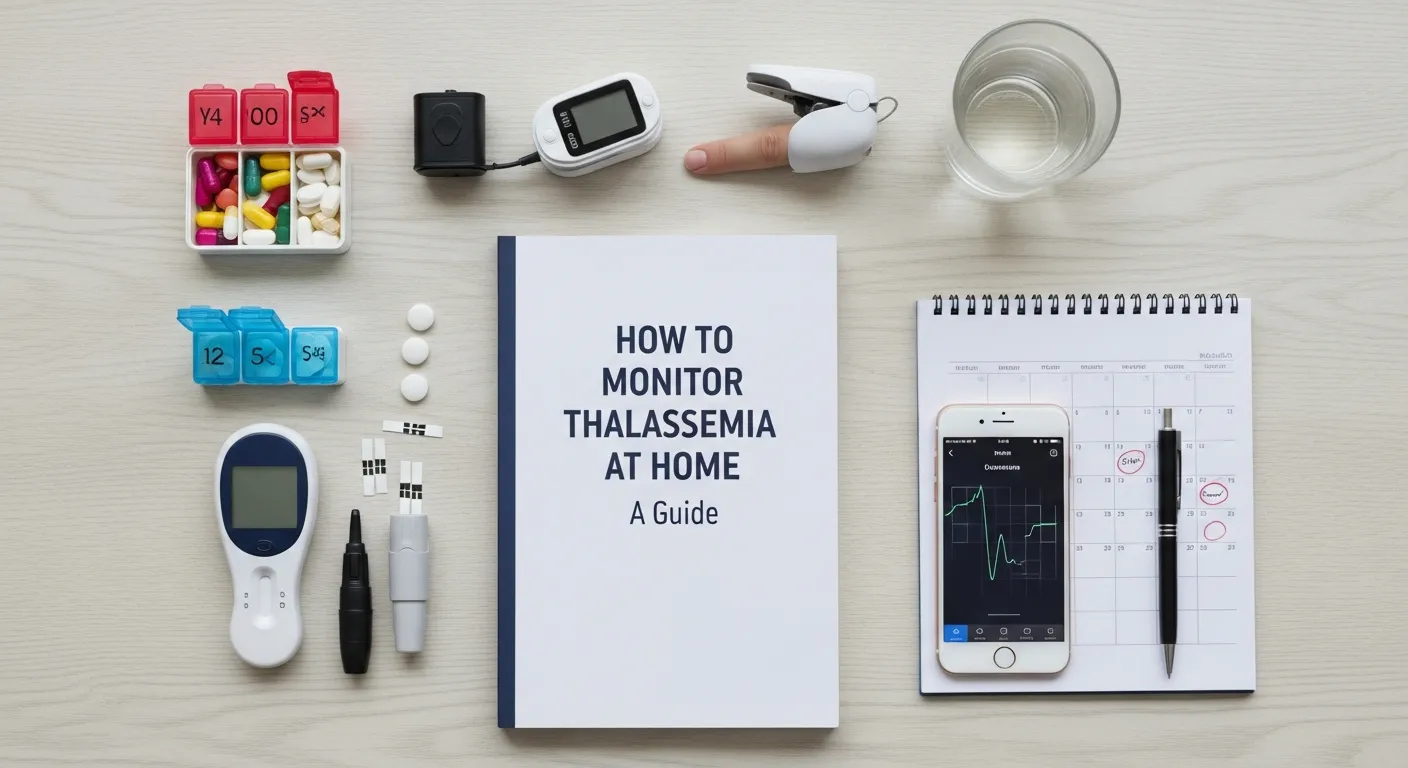
How to Monitor Thalassemia at Home” explains simple ways to track symptoms like fatigue and anemia signs, maintain healthy habits, and stay aware of changes in the body, helping early detection and better communication with healthcare professionals.
Living with thalassemia requires a proactive approach to your daily health. This genetic blood disorder affects how your body produces hemoglobin, the protein responsible for carrying oxygen through your blood. Because the body struggles to maintain adequate oxygen levels, managing the condition goes far beyond occasional doctor visits.
Learning how to monitor thalassemia at home gives you the power to take control of your well-being. It allows you to catch minor changes before they escalate into major medical emergencies. Daily observation creates a safety net that protects your vital organs and improves your overall quality of life.
When you actively track your health, you also provide your medical team with valuable data. Doctors rely on this information to adjust treatments, change medication dosages, and plan your next blood transfusion. A collaborative approach between you and your healthcare providers ensures that your care plan remains effective and personalized.
To properly understand how to monitor thalassemia at home, it is important to observe key signs of your body on a regular basis. These include energy levels, breathing patterns, skin color changes, and overall physical stamina. Small changes such as increased fatigue, dizziness, or reduced activity tolerance can be early indicators that your hemoglobin levels may be dropping.
In addition to symptom tracking, maintaining a balanced diet plays a crucial role in home monitoring. Nutrient-rich foods support blood health and help reduce complications associated with anemia. Staying hydrated and avoiding unnecessary iron supplements without medical advice is also essential.
This comprehensive guide will walk you through everything you need to know about how to monitor thalassemia at home. We will cover how to track physical symptoms, manage your diet, use modern health technologies, and communicate effectively with your medical team for better long-term disease management.
The Role of Regular Monitoring in Thalassemia Management
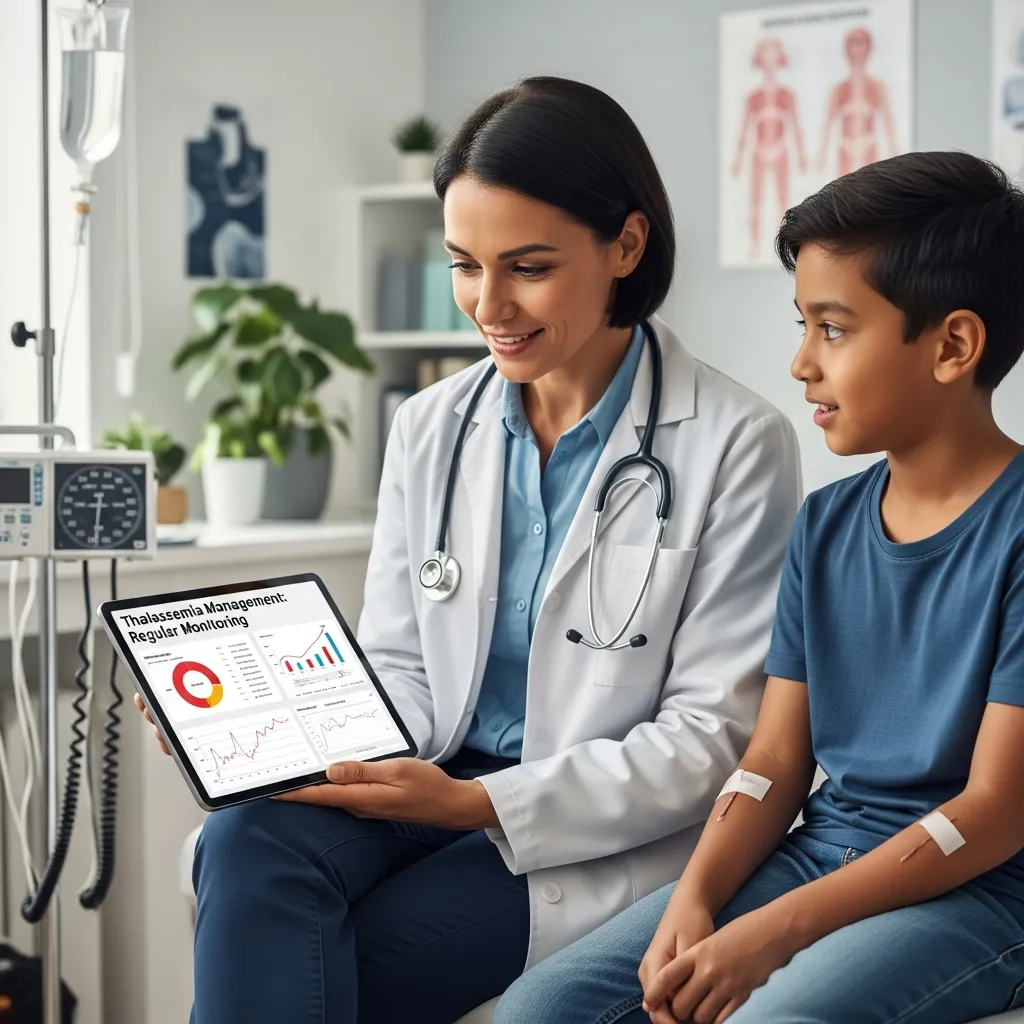
Consistent monitoring forms the foundation of effective thalassemia care. Because the disorder affects multiple systems in the body, your health status can shift unexpectedly. Regular observation helps you maintain a stable baseline and understand how your condition behaves over time.
Learning how to monitor thalassemia at home is especially important because it empowers patients to recognize early changes before they become serious complications. By observing daily energy levels, fatigue patterns, and physical signs like paleness or dizziness, individuals can detect early warning signals of anemia or other imbalances linked to hemoglobin fluctuations.
Patients who follow how to monitor thalassemia at home consistently often experience fewer emergency hospital visits. They become more aware of subtle changes in their body and can respond quickly when something feels different. This awareness reduces the risk of sudden complications and supports long-term stability.
Early detection through home monitoring also helps prevent serious outcomes such as severe anemia episodes or iron overload complications. When issues are identified early, doctors can adjust treatment plans more effectively, ensuring better protection of vital organs like the heart, liver, and spleen.
Furthermore, monitoring helps you track the effectiveness of your prescribed therapies. If a specific iron chelation medication causes side effects or does not show expected improvement, keeping a structured health log makes it easier for your doctor to modify the treatment plan. This improves overall care quality and reduces uncertainty in long-term disease management.
By staying consistent with how to monitor thalassemia at home, patients can take an active role in their health journey. This proactive approach not only improves physical well-being but also reduces stress and builds confidence in managing a lifelong condition.
Key Aspects of Monitoring Thalassemia at Home
Managing this condition involves looking at several different aspects of your health simultaneously. Breaking these responsibilities down into manageable daily habits makes the process much less overwhelming and improves long-term stability.
Learning how to monitor thalassemia at home is not just about noticing symptoms—it is about building awareness of your body’s daily patterns and responding early to any changes. This proactive approach helps prevent complications and supports better communication with healthcare providers.
Observing Physical Symptoms and General Well-being
Your body constantly sends signals about its internal state. Paying close attention to your daily physical condition helps you detect drops in hemoglobin levels early, which is an important part of how to monitor thalassemia at home effectively.
Fatigue is often the first indicator that your body needs more oxygen. You might notice that climbing a flight of stairs suddenly feels exhausting, or you struggle to concentrate during conversations. Pale or yellowish skin (jaundice) can also signal increased red blood cell breakdown.
Check your resting heart rate regularly. A rapid heartbeat or shortness of breath may indicate that your heart is working harder to compensate for low oxygen levels. Monitoring sleep quality, energy levels, and daily stamina helps create a clear personal health pattern over time.
By consistently following how to monitor thalassemia at home, you can quickly recognize when your condition is stable and when it may need medical attention.
Tracking Medication Adherence and Side Effects
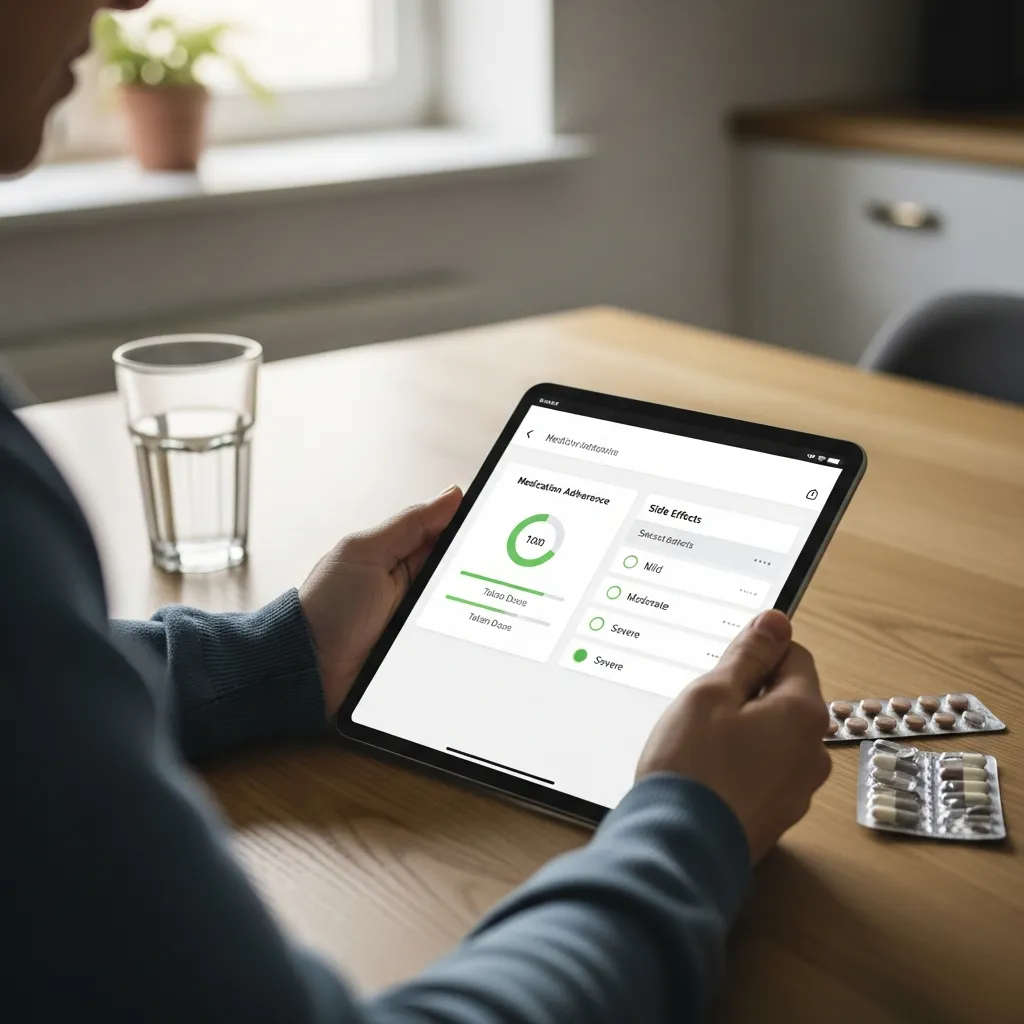 Treatment plans for thalassemia often include iron chelators, folic acid, and vitamin supplements. Taking medications correctly is a key part of how to monitor thalassemia at home because missed doses can lead to serious complications over time.
Using a pill organizer or mobile reminders can help maintain consistency. Along with tracking intake, it is equally important to observe how your body responds to medications.
Some iron chelation therapies may cause side effects such as nausea, stomach discomfort, skin reactions, or vision changes. Recording these reactions daily ensures that your doctor receives accurate information to adjust treatment if needed.
Keeping a medication diary is a practical method within how to monitor thalassemia at home, helping you stay organized and informed about your treatment progress.
Dietary Management and Nutritional Intake Monitoring
Diet plays a crucial role in managing thalassemia effectively. Because iron overload is a concern in many patients, careful monitoring of food intake is essential when learning how to monitor thalassemia at home.
It is important to avoid unnecessary iron supplements unless prescribed by a doctor. In addition, combining vitamin C with iron-rich meals can increase iron absorption, so timing of nutrients matters.
Instead, beverages like tea or coffee may help reduce iron absorption during meals. A balanced diet that includes calcium, vitamin D, and other essential nutrients supports bone health, which can be affected in long-term thalassemia cases.
Keeping a food diary is another useful strategy in how to monitor thalassemia at home. It helps you track dietary habits, avoid excess iron intake, and ensure proper nutritional balance for overall health and well-being.
Monitoring for Iron Overload Symptoms
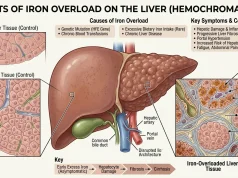
Iron overload is a serious threat for anyone receiving frequent blood transfusions. The human body lacks a natural way to flush out excess iron. As a result, the mineral builds up rapidly and deposits into your vital organs.
You must stay vigilant for liver iron overload symptoms, which can include ongoing abdominal pain, unexplained weight loss, and chronic weakness. If you notice a bronze or grayish tint to your skin, this could indicate advanced iron accumulation.
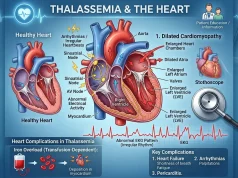
Excess iron also targets the cardiovascular system. Pay close attention to chest pain, irregular heartbeats, or swelling in your lower legs. These can be early indicators of heart problems in thalassemia. Catching these signs early allows your doctor to adjust your chelation therapy before permanent damage occurs.
Recognizing Signs of Complications
Thalassemia can cause a ripple effect of complications throughout the body. You need to know which red flags require immediate medical attention.
Severe pain in your upper left abdomen could indicate an enlarged spleen. The spleen works hard to filter out abnormal red blood cells, and it can grow dangerously large if overworked. Frequent infections or a persistent fever might also signal that your immune system is compromised.
If you experience sudden, severe headaches, vision changes, or numbness in your extremities, contact a doctor immediately. These symptoms could point to neurological issues or blood clots. Monitoring these specific warning signs is critical for preventing permanent organ damage in thalassemia.
Tools and Technologies for Home Monitoring
Technology has made managing chronic illnesses easier and more precise. Incorporating the right tools into your daily routine takes the guesswork out of home monitoring.
Wearable Devices and Apps for Health Tracking
Smartwatches and fitness trackers are excellent tools for thalassemia patients. These devices continuously monitor your resting heart rate, track your sleep patterns, and measure your daily physical activity. Some advanced models can even estimate your blood oxygen saturation levels.
Pair your wearable device with a health tracking app on your smartphone. Applications like Apple Health or Google Fit consolidate your data into easy-to-read charts. You can share these digital summaries directly with your healthcare provider to show them your health trends over time.
Home Blood Glucose and Iron Level Monitoring
Iron overload frequently damages the pancreas, which can lead to diabetes. If your doctor has identified a risk for blood sugar issues, you will need a home blood glucose monitor. Checking your blood sugar daily helps you manage your diet and prevents diabetic emergencies.
While you cannot test your total body iron levels at home, you can monitor the secondary effects of iron toxicity. Keep a close eye on your blood pressure and weight. Rapid weight gain combined with high blood pressure often indicates fluid retention caused by a struggling heart or liver. For comprehensive guidelines on managing these specific risks, the Centers for Disease Control and Prevention (CDC) provides excellent thalassemia resources.
Symptom Checklists and Journals
Sometimes, the simplest tools are the most effective. Keeping a dedicated health journal allows you to track the subjective details of your condition.
Create a daily checklist that includes your energy level on a scale of one to ten, any specific pains you feel, and your emotional state. Write down the exact times you take your medications and note any side effects that follow.
A written log reveals patterns that you might otherwise miss. You might notice that your fatigue peaks exactly three days before your next scheduled transfusion. This kind of detailed documentation is invaluable to your medical team.
Collaborating with Healthcare Professionals for Effective Home Monitoring
Home monitoring does not replace professional medical care. Instead, it enhances the treatment you receive from your doctors. Building a strong partnership with your healthcare team ensures your home efforts translate into better clinical outcomes and more stable long-term health. This is a key part of how to monitor thalassemia at home effectively and safely.
Maintaining Open Communication with Your Care Team
 Honesty is essential when speaking with your doctors. If you miss a dose of your chelation medication, experience side effects, or struggle to follow a low-iron diet, informing your hematologist helps them adjust your care plan properly. Without this information, treatment decisions may not reflect your real-life condition.
As part of how to monitor thalassemia at home, keeping a detailed health journal is extremely valuable. This can include daily symptoms, energy levels, medication intake, diet tracking, and any unusual physical changes. Sharing this record during appointments allows your doctor to see clear patterns over time instead of relying only on memory.
Digital health tracking tools, mobile apps, or simple notebooks can all be effective. The goal is consistency and accuracy. Preparing questions before appointments also ensures you make the most of your consultation time and do not miss important concerns.
Strong communication between patients and healthcare providers is a core principle of how to monitor thalassemia at home, as it helps create a personalized and responsive treatment plan.
Understanding When to Seek Medical Attention
Knowing when to manage symptoms at home and when to seek urgent medical care is a critical safety aspect of how to monitor thalassemia at home. While mild symptoms can often be observed and recorded, certain warning signs require immediate attention.
Seek emergency medical care if you experience:
- Severe shortness of breath
- Chest pain or pressure
- Sudden high fever
- Fainting or severe dizziness
- Intense abdominal pain or swelling
These symptoms may indicate serious complications such as severe anemia, infection, or organ stress. Early intervention can prevent life-threatening outcomes and reduce long-term damage.
Your healthcare provider should give you a clear emergency action plan so you know exactly when to go to the hospital. Following this guidance ensures that how to monitor thalassemia at home remains safe, structured, and effective as part of your overall disease management strategy.
Regular Check-ups and Lab Tests: What to Expect
Even with diligent home monitoring, you must attend all your scheduled medical appointments. Doctors rely on sophisticated clinical tests to see what is happening inside your body.
You will undergo regular blood tests to check your hemoglobin, liver enzymes, and serum ferritin levels. Specialized MRI scans will measure the exact concentration of iron inside your heart and liver. Understanding the steps involved in a thalassemia test complete guide helps reduce anxiety around these routine hospital visits. Your home monitoring data provides the context your doctor needs to interpret these lab results accurately.
Empowering Patients and Caregivers: Education and Support Resources
Education transforms fear into action. When you understand how your body works, you can make informed decisions about your health.
Take time to read up-to-date medical literature about your condition. The National Heart, Lung, and Blood Institute (NHLBI) offers comprehensive, easy-to-understand information regarding genetic blood disorders. Learning about thalassemia complications in adults prepares you for the long-term realities of the disease.
Connect with local or online support groups. Speaking with other people who share your diagnosis provides immense emotional relief. You can exchange practical tips on medication management, dietary recipes, and coping strategies. Caregivers also benefit from these networks, gaining support and advice on how to best assist their loved ones without burning out.
Proactive Home Monitoring for a Better Quality of Life with Thalassemia
Thalassemia presents lifelong challenges, but it does not have to define your entire existence. Establishing a strong daily routine allows you to manage the disorder rather than letting the disorder manage you.
When you learn exactly how to monitor thalassemia at home, you build a foundation of safety and stability. Tracking your symptoms, adhering to your medications, and communicating openly with your doctors gives you a distinct advantage. Stay vigilant, utilize the tools available to you, and embrace the empowerment that comes with taking charge of your own health.
Frequently Asked Questions (FAQ)
1. What is “How to Monitor Thalassemia at Home”?
It refers to simple daily habits like tracking symptoms, energy levels, and medication use to help manage thalassemia safely at home, including how to monitor thalassemia at home.
2. Can thalassemia be fully treated at home?
No, thalassemia cannot be treated at home. Home monitoring only helps track health and support medical treatment as part of how to monitor thalassemia at home.
3. What symptoms should I monitor at home?
You should watch for fatigue, pale skin, dizziness, shortness of breath, and changes in energy levels when practicing how to monitor thalassemia at home.
4. Why is home monitoring important in thalassemia?
It helps detect early warning signs, prevents complications, and improves communication with doctors through how to monitor thalassemia at home.
5. Can I track hemoglobin levels at home?
No, hemoglobin levels must be checked through blood tests in a medical laboratory, even if you are following how to monitor thalassemia at home.
6. What tools can help with home monitoring?
You can use a diary, mobile health apps, pill organizers, and reminder alarms for tracking symptoms and medication in how to monitor thalassemia at home.
7. Is diet important in monitoring thalassemia at home?
Yes, a balanced diet helps maintain energy levels and supports overall health, especially in how to monitor thalassemia at home.
8. When should I contact a doctor immediately?
Seek medical help if you experience severe breathlessness, chest pain, fainting, or high fever while following how to monitor thalassemia at home.
9. Can home monitoring replace hospital visits?
No, it only supports care. Regular doctor visits are still necessary for proper treatment when learning how to monitor thalassemia at home.
10. Who should practice home monitoring?
Anyone with thalassemia or thalassemia trait can benefit from how to monitor thalassemia at home to better understand their condition.
Conclusion
“How to Monitor Thalassemia at Home” is an important part of managing the condition alongside medical care. While thalassemia cannot be cured at home, daily awareness of symptoms, medication routines, and lifestyle habits helps patients stay healthier and avoid complications. Consistent how to monitor thalassemia at home practices improve early detection of changes and strengthen communication with healthcare providers. With the right balance of home care and professional guidance, individuals with thalassemia can maintain a stable and better quality of life.