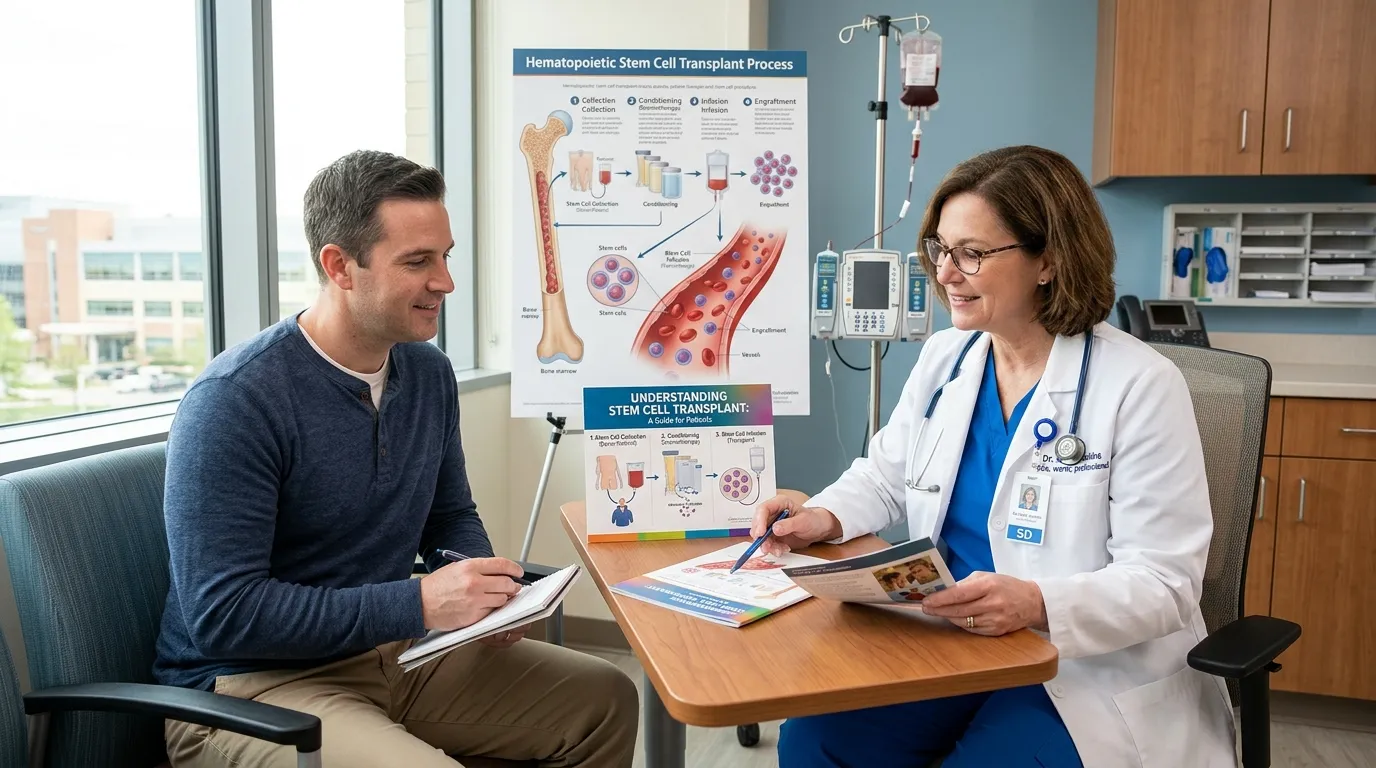
The stem cell transplant process is a specialized treatment used to replace damaged or diseased blood-forming cells with healthy stem cells. The procedure involves patient evaluation, conditioning therapy, stem cell infusion, and recovery monitoring. Understanding the transplant process, recovery period, and potential risks helps patients and families prepare for treatment and improve long-term outcomes.
 A stem cell transplant process replaces damaged or diseased bone marrow with healthy hematopoietic stem cells (HSCs). These remarkable cells live in the bone marrow and act as the body’s blood-cell factory, producing red blood cells, white blood cells, and platelets throughout your life.
Hematopoietic stem cell transplantation treats a wide range of serious conditions, including:
- Cancers: Leukemia, lymphoma, and multiple myeloma respond well to transplant therapy, especially when other treatments fail.
- Blood disorders: Thalassemia, sickle cell anemia, and aplastic anemia can all be corrected with a healthy blood-forming system. For families exploring prevention alongside treatment, our guide on how to prevent severe thalassemia offers valuable context.
- Immunodeficiency disorders: Certain inherited immune system failures can be reversed by replacing the faulty cells.
Stem cells for transplant come from three main sources:
- Peripheral blood stem cell collection (apheresis): This is the most common method. A machine filters stem cells from the bloodstream and returns the remaining blood to the donor. The process is similar to donating plasma.
- Bone marrow harvest: In a traditional bone marrow transplant procedure, doctors collect marrow directly from the pelvic bone under general anesthesia. This method is less common today but still used in specific cases.
- Cord blood collection: Stem cells can be collected from the umbilical cord and placenta after a baby is born, then stored for future use.
The Transplant Phase: Infusion
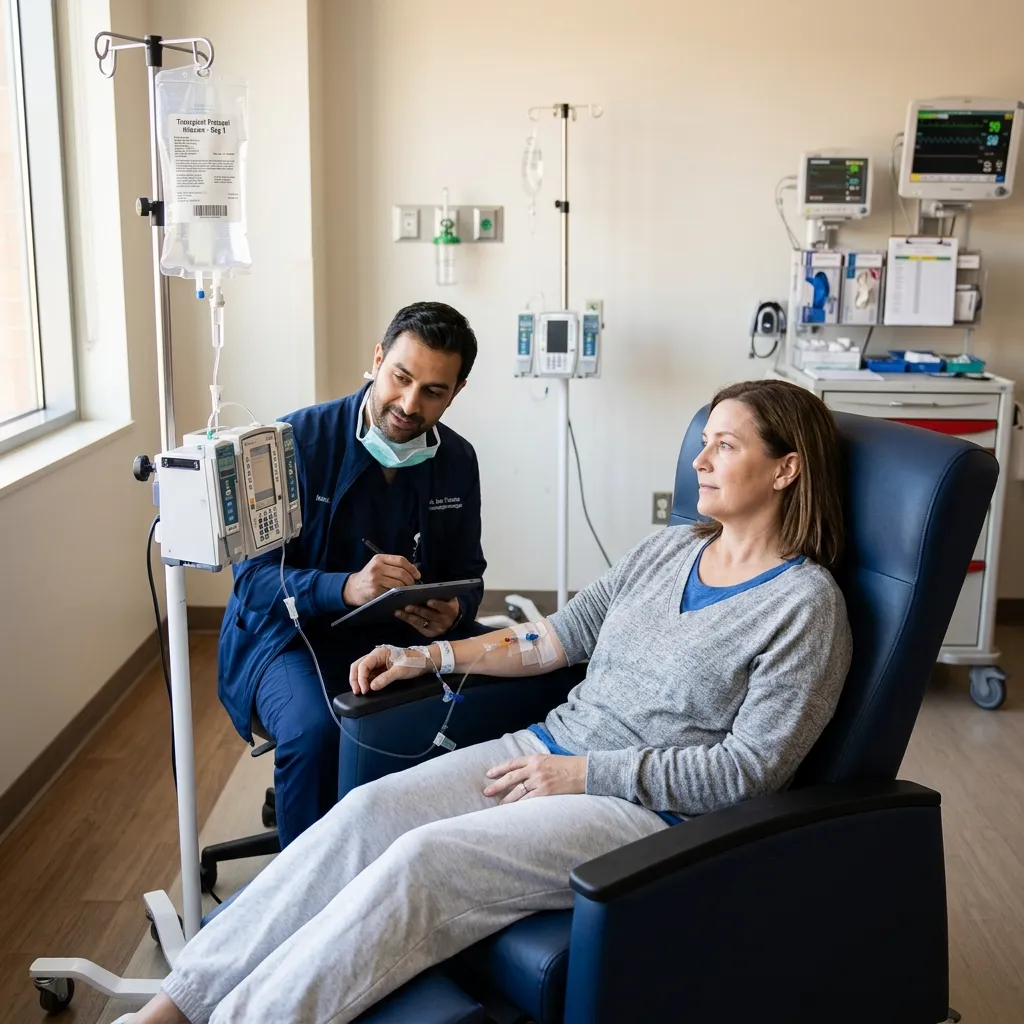 After weeks of preparation, the transplant itself arrives. Many patients call this day their “new birthday”—the start of a fresh blood-forming system.
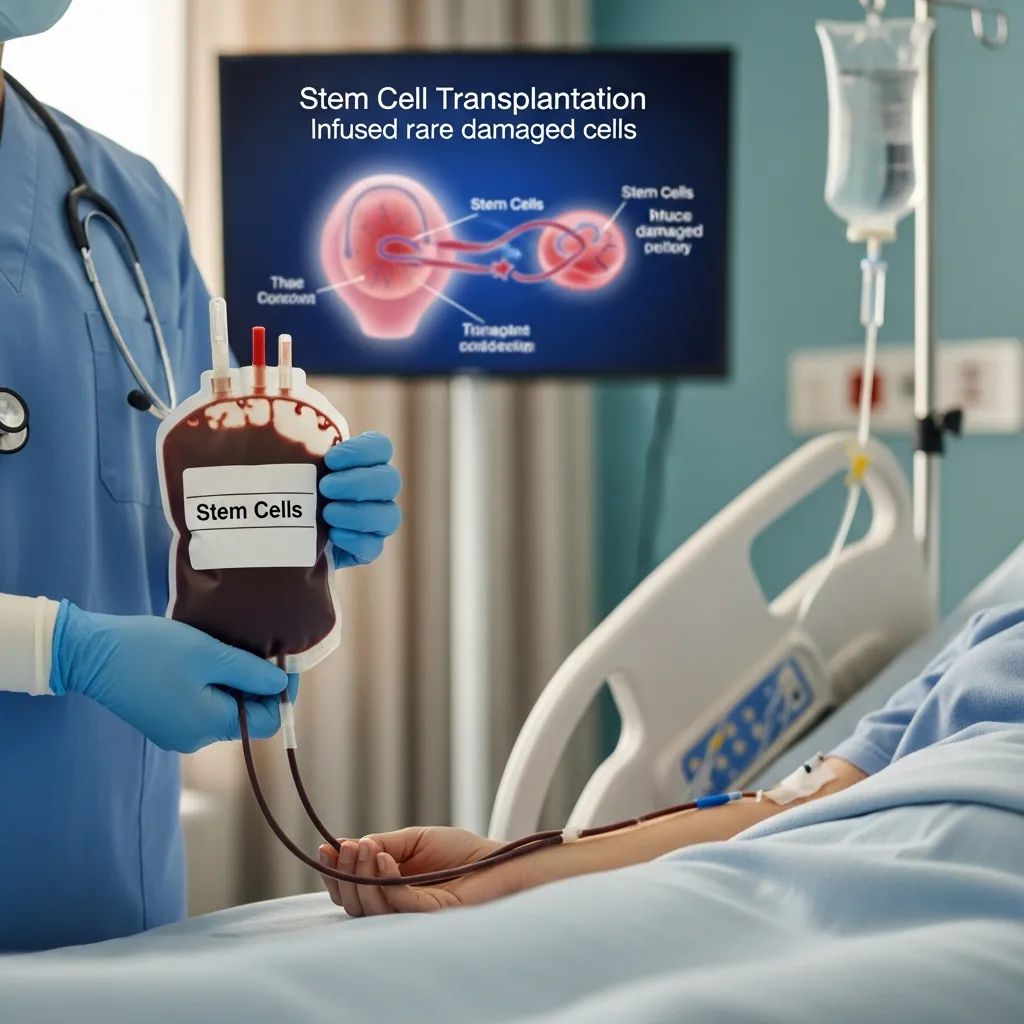
The infusion procedure is surprisingly simple. The healthy stem cells are delivered intravenously through a central line, much like a blood transfusion. There is no surgery involved in this stage. The infusion usually takes a few hours, and patients remain awake throughout.
Once inside the body, the stem cells travel to the bone marrow, where they begin the work of producing healthy blood cells. Immediate post-infusion care focuses on monitoring vital signs and managing any mild reactions, such as chills or a change in blood pressure.
The Post-Transplant Phase: Recovery and Engraftment
The weeks after infusion are the most delicate part of the stem cell transplant process. The body works to rebuild its blood and immune systems, and the medical team watches closely for complications.
What is engraftment and how is it monitored?
Engraftment is the moment transplanted stem cells settle into the bone marrow and begin producing new blood cells. Doctors monitor engraftment through daily blood tests, watching for rising white blood cell counts. This milestone usually occurs between two and four weeks after infusion.
Until engraftment happens, patients have very few infection-fighting cells, which makes this period especially risky.
What complications can occur during hospital recovery?
Several complications require careful management during the hospital stay:
- Infection: With a suppressed immune system, even minor infections can become serious. Patients receive preventive antibiotics, antivirals, and antifungals, and visitors follow strict hygiene rules.
- Graft-versus-host disease (GVHD): In allogeneic transplants, donor immune cells may attack the patient’s tissues. Doctors diagnose GVHD through symptoms and biopsies, then treat it with immunosuppressive medications.
- Other complications: Mucositis (painful mouth and throat sores), profound fatigue, and low blood counts are common and managed with supportive care.
What does transitioning home and early recovery look like?
Once blood counts recover and the patient is stable, the focus shifts to recovery at home. This stage demands continued vigilance:
- Medical monitoring: Frequent follow-up appointments track blood counts, organ function, and any signs of complications.
- Medication management: Patients often take immunosuppressants, antibiotics, and other drugs on a strict schedule.
- Dietary considerations: A low-microbial diet helps reduce infection risk, with restrictions on raw or undercooked foods.
- Psychological support: Recovery is as much emotional as physical. Counseling and support groups help patients and families cope with stress, anxiety, and the long road ahead.
Long-Term Recovery and Follow-Up
Stem cell transplant recovery is not measured in weeks but in months and sometimes years. The body needs time to fully rebuild its immune system and return to normal function.
What does long-term follow-up involve?
Regular follow-up appointments remain essential well after the transplant. Doctors run blood tests, check organ function, and update vaccinations, since the new immune system often loses immunity from childhood shots. These visits help catch problems early, when they are easiest to treat.
What late complications should patients watch for?
Some complications can appear months or years later:
- Chronic GVHD: A long-term form of graft-versus-host disease that can affect the skin, eyes, mouth, and internal organs.
- Secondary cancers: A small but real risk linked to conditioning treatments.
- Organ dysfunction: The heart, lungs, and endocrine system may need ongoing monitoring.
How do patients adjust to life after transplant?
Lifestyle adjustments support long-term health and quality of life. Many patients gradually return to work, exercise, and social activities. A strong support system—family, friends, and fellow patients—makes a measurable difference in emotional wellbeing and recovery.
Innovations in stem cell transplant recovery continue to improve outcomes. Reduced-intensity conditioning, better GVHD prevention, and refined supportive care have all made the process safer and more tolerable than it was even a decade ago.
Advancements and Future Directions in Hematopoietic Stem Cell Transplantation
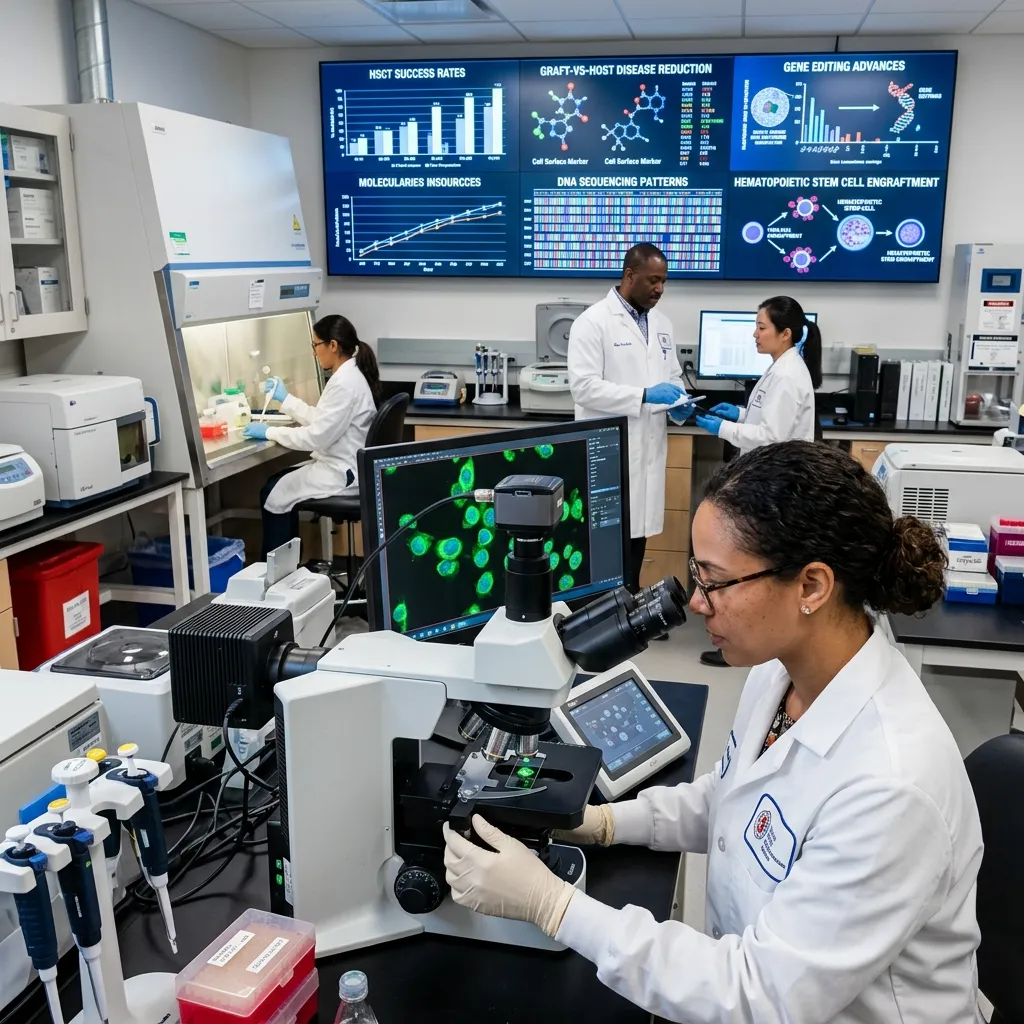 The field of hematopoietic stem cell transplantation is evolving quickly. New therapies are expanding what is possible and reducing the risks that once limited treatment.
CAR T-cell therapy, a form of immunotherapy, reprograms a patient’s own immune cells to hunt down cancer. It has shown remarkable results in certain blood cancers and complements traditional transplant approaches.
Gene editing technologies like CRISPR are also reshaping the landscape. By correcting faulty genes directly, these tools offer potential cures for inherited disorders without the need for a donor. Our gene therapy for thalassemia guide explores how this works in detail, while our deep dive into CRISPR cures for thalassemia covers the latest breakthroughs. For a broader view of how these treatments compare, our overview of modern advances in thalassemia treatment puts everything in context.
For trusted external information, the National Cancer Institute and the Be The Match donor registry offer reliable resources for patients and families.
Conclusion
The stem cell transplant process is a demanding but life-changing path. From the first evaluation to long-term recovery, each stage builds toward one goal: a healthy, functioning blood and immune system. Knowing what lies ahead turns uncertainty into preparation.
If you or a loved one is considering a transplant, talk with a hematologist about whether it’s the right option. Ask questions, lean on your support network, and explore patient advocacy resources. With the right team and the right information, the road ahead becomes far easier to walk.
Frequently Asked Questions
1. How long does the entire stem cell transplant process take?
The full process varies, but most patients spend several weeks in the hospital and several months to a year recovering at home. Long-term follow-up can continue for years, especially after an allogeneic transplant.
2. What is the difference between a bone marrow transplant and a stem cell transplant?
They are closely related. A bone marrow transplant procedure collects stem cells directly from the marrow, while a stem cell transplant more often uses cells filtered from the bloodstream. Both replace damaged marrow with healthy hematopoietic stem cells.
3. How painful is the stem cell transplant procedure?
The infusion itself is painless and similar to a blood transfusion. Discomfort usually comes from the conditioning chemotherapy and side effects like mouth sores, which the medical team manages with medication.
4. What are the chances of a successful transplant?
Success depends on the disease, the patient’s age and health, and the type of transplant. For patients with a well-matched donor, survival rates can exceed 90% in certain conditions. Your transplant team can provide personalized estimates.
5. How do doctors find a matching donor?
Doctors use HLA matching to compare cell-surface proteins. Siblings are tested first, followed by searches through national and international donor registries and cord blood banks.
6. What is graft-versus-host disease (GVHD)?
GVHD occurs in allogeneic transplants when donor immune cells attack the patient’s tissues. It can be acute or chronic and is managed with immunosuppressive medications and close monitoring.
7. Can a stem cell transplant cure thalassemia?
Yes. For many patients with severe thalassemia, an allogeneic transplant from a matched donor offers a potential cure by replacing the faulty blood-forming cells with healthy ones.
8. What happens during the engraftment period?
Engraftment is when the new stem cells start producing blood cells, usually two to four weeks after infusion. During this time, patients are highly vulnerable to infection and require close monitoring.
9. Are there risks of long-term complications after a transplant?
Yes. Possible late effects include chronic GVHD, organ dysfunction, and a small risk of secondary cancers. Regular follow-up appointments help detect and manage these issues early.
10. Who is eligible for a stem cell transplant?
Eligibility depends on the diagnosis, overall health, organ function, and the availability of a suitable donor or the patient’s own healthy cells. A transplant team evaluates each case individually.