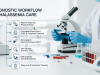

Carrier screening in alpha thalassemia helps identify genetic carriers early, enabling timely prevention, accurate diagnosis, and informed reproductive decisions through genetic testing and prenatal screening to reduce the risk of severe inherited blood disorders.

Carrier screening in alpha thalassemia is a crucial genetic testing approach used to identify individuals who carry mutations in the alpha-globin genes. This screening plays a major role in preventing severe forms of thalassemia by enabling early detection, counseling, and informed reproductive decisions.

Alpha thalassemia is a hereditary blood disorder that affects hemoglobin production, leading to anemia of varying severity. Since many carriers do not show symptoms, they can unknowingly pass the condition to their children. This is why carrier screening in alpha thalassemia is considered a key public health strategy worldwide.

Understanding genetic inheritance, molecular mechanisms, and early detection methods is essential for reducing the burden of the disease globally.

What is Carrier Screening in Alpha Thalassemia?

Carrier screening in alpha thalassemia is a genetic test that identifies whether a person carries one or more defective alpha-globin genes (HBA1 or HBA2). These genes are responsible for producing alpha-globin chains, which are essential components of hemoglobin.

A person with one or two defective genes is usually healthy but can pass the mutation to offspring. This makes carrier screening in alpha thalassemia important for family planning and disease prevention.

In many cases, individuals remain unaware that they are carriers until they undergo targeted testing. This is why early screening programs are highly recommended, especially in high-prevalence regions. Through carrier screening in alpha thalassemia, healthcare providers can assess genetic risk before pregnancy or during early prenatal care.

Importance in Early Detection and Prevention

Early detection of alpha thalassemia carriersOne of the major benefits of carrier screening in alpha thalassemia is its ability to detect risk before symptoms appear. Since carriers often show no clinical signs, routine blood tests alone may not be enough to identify them accurately.

By combining genetic analysis with family history evaluation, doctors can better predict the likelihood of passing the disorder to children. This helps reduce the chances of severe conditions such as HbH disease or hydrops fetalis.

Early identification also supports timely genetic counseling, allowing families to make informed reproductive choices and understand inheritance patterns more clearly.

In addition, early screening helps differentiate alpha thalassemia from other common causes of anemia, such as iron deficiency. This prevents misdiagnosis and ensures that patients receive appropriate guidance instead of unnecessary treatments like iron supplementation when it is not needed.

Another important advantage is psychological preparedness. When individuals understand their carrier status early, they are better equipped to plan pregnancies responsibly and seek medical support when required. This proactive approach significantly reduces emotional stress and medical complications later in life.

Role in Public Health Strategy

From a public health perspective, carrier screening in alpha thalassemia is essential in regions where the disorder is highly prevalent. Countries in Southeast Asia, the Mediterranean, the Middle East, and Africa benefit significantly from structured screening programs.

These programs help reduce the long-term healthcare burden by preventing severe cases rather than treating complications later in life. As a result, governments and healthcare organizations increasingly promote awareness and accessibility of genetic testing services.

Large-scale screening initiatives also support community-level prevention strategies. For example, premarital and antenatal screening programs help identify at-risk couples early, allowing them to access counseling and reproductive options before pregnancy progresses.

Moreover, public health education campaigns improve awareness about inherited blood disorders, encouraging more individuals to participate in carrier screening for alpha thalassemia voluntarily. This leads to earlier detection at a population level and reduces the incidence of severe thalassemia over time.

In resource-limited settings, integrating carrier screening into routine maternal and child healthcare services has shown promising results. It allows healthcare systems to shift from treatment-focused care to prevention-focused care, which is more cost-effective and sustainable in the long run.

Overall, combining education, accessible testing, and structured screening programs creates a powerful strategy for reducing the global burden of alpha thalassemia.

Learn more: https://www.who.int

Link with Genetic Testing and Diagnosis

Modern diagnostic tools such as DNA sequencing and molecular testing have greatly improved the accuracy of carrier screening in alpha thalassemia. These methods allow precise identification of mutations in the HBA1 and HBA2 genes, which are responsible for alpha-globin chain production.

In combination with standard blood tests like CBC and hemoglobin analysis, genetic screening provides a complete picture of an individual’s carrier status. This integrated diagnostic approach helps clinicians distinguish between silent carriers, alpha thalassemia trait, and more severe forms of the disease.

Another important advantage of advanced genetic testing is its ability to detect rare or complex mutations that may not be identified through routine laboratory methods. This ensures a higher level of diagnostic accuracy, especially in populations with diverse genetic backgrounds.

With the growing availability of next-generation sequencing (NGS), carrier screening in alpha thalassemia has become faster, more reliable, and more accessible than ever before. These technological improvements are making early detection possible even in large-scale screening programs.

For related diagnostic information:
https://thalassemiacarehub.com/thalassemia-test-complete-guide/

Additionally, integrating genetic data with clinical evaluation helps healthcare providers offer personalized risk assessments. This is especially important for couples planning to start a family, as it provides clearer insights into potential genetic outcomes.

Family Planning and Reproductive Decisions

Genetic screening for family planningOne of the most important applications of carrier screening in alpha thalassemia is its role in family planning. Couples who are both carriers have a significantly higher risk of having a child with severe forms of thalassemia, including HbH disease or hydrops fetalis.

With proper screening and counseling, couples can explore multiple reproductive options, including prenatal diagnosis, preconception planning, and assisted reproductive technologies. This significantly reduces the incidence of severe inherited blood disorders and supports healthier pregnancy outcomes.

Genetic counseling plays a key role in this process by helping couples understand inheritance patterns, risk probabilities, and available medical choices. It ensures that decisions are made based on accurate scientific information rather than uncertainty or fear.

In some cases, early prenatal testing can identify affected fetuses during pregnancy, allowing families to prepare medically and emotionally. This proactive approach improves overall maternal care and reduces complications during childbirth.

Ultimately, carrier screening in alpha thalassemia empowers individuals with knowledge, enabling responsible family planning and helping reduce the long-term burden of genetic blood disorders across generations.

Genetic Background of Alpha Thalassemia

Alpha thalassemia is caused by mutations or deletions in the HBA1 and HBA2 genes located on chromosome 16. Each individual inherits four alpha-globin genes (two from each parent).

If one or more genes are defective, the balance of hemoglobin production is disrupted, leading to anemia.

The severity depends on how many genes are affected:

  • 1 gene deletion → silent carrier
  • 2 gene deletions → alpha thalassemia trait
  • 3 gene deletions → HbH disease
  • 4 gene deletions → hydrops fetalis (fatal)

This genetic understanding makes carrier screening in alpha thalassemia essential for early risk detection.

Why Carrier Screening is Important

The importance of carrier screening in alpha thalassemia lies in prevention and early diagnosis.

Key benefits include:

  • Early detection of carriers before marriage or pregnancy
  • Prevention of severe genetic disorders in children
  • Reduced risk of hydrops fetalis
  • Improved genetic counseling decisions
  • Better population health management

Public awareness programs focusing on carrier screening in alpha thalassemia can significantly reduce disease prevalence in high-risk regions.

Thalassemia Genetic Screening Test

A thalassemia genetic screening test is used to detect mutations in globin genes. It is one of the most reliable ways to confirm carrier status.

This test includes:

  • DNA analysis of HBA1 and HBA2 genes
  • Hemoglobin electrophoresis
  • Complete blood count (CBC)
  • Molecular genetic testing

The thalassemia genetic screening test helps confirm whether a person is a silent carrier or at risk of passing the disease to their children.

👉 Learn more:
Complete Thalassemia Care Guide

Alpha Thalassemia Carrier Detection
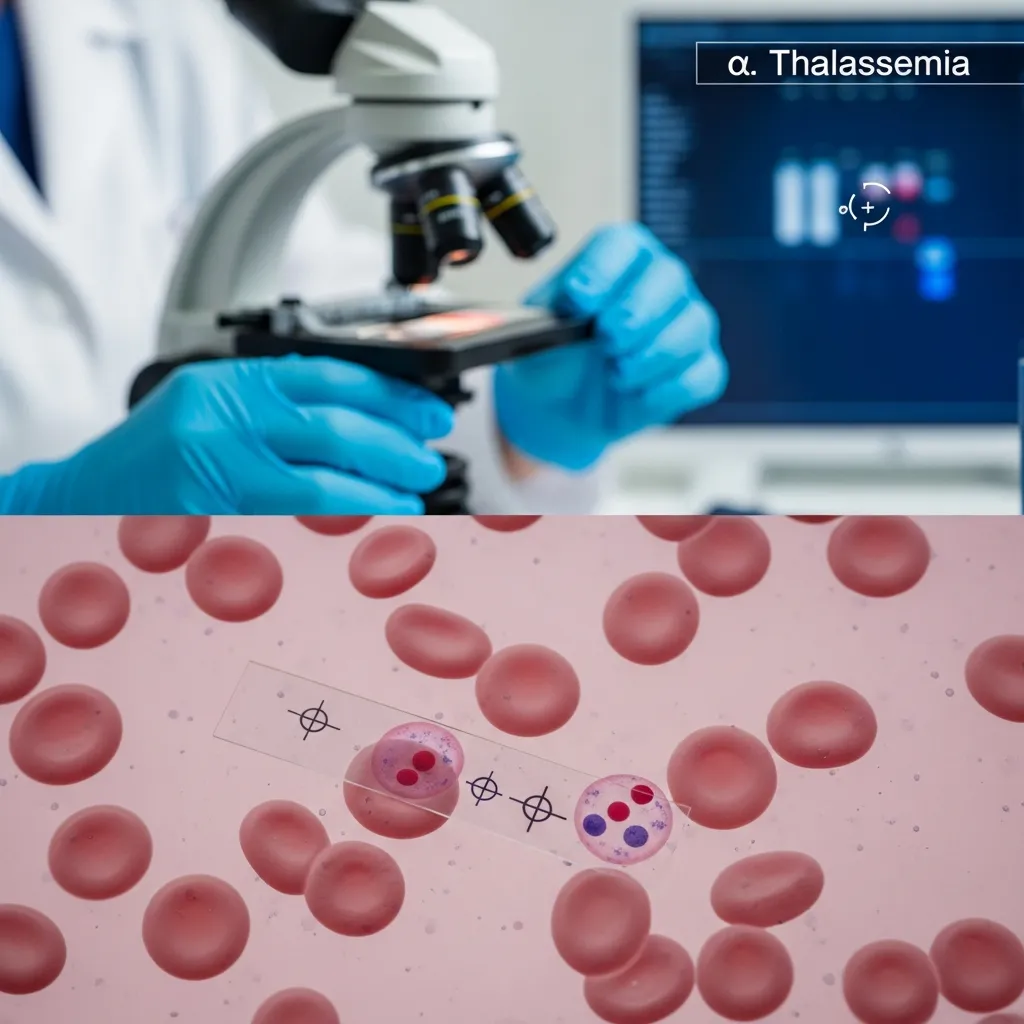
Alpha thalassemia carrier detection processAlpha thalassemia carrier detection refers to identifying individuals who carry one or more defective genes without showing symptoms.

Most carriers are unaware of their status because they have mild or no anemia. However, alpha thalassemia carrier detection is critical for preventing severe cases in future generations.

Detection methods include:

  • Genetic testing
  • Family history analysis
  • Blood parameter evaluation

Early alpha thalassemia carrier detection allows couples to understand reproductive risks and take informed decisions.

Importance of Prenatal Genetic Screening

The importance of prenatal genetic screening cannot be overstated in alpha thalassemia prevention.

Prenatal screening helps:

  • Detect fetal genetic conditions early
  • Identify risk of severe thalassemia forms
  • Guide pregnancy management decisions
  • Provide genetic counseling support

When both parents are carriers, importance of prenatal genetic screening becomes even greater, as there is a 25% risk of severe disease in the child.

Carrier Screening Process Explained

The process of carrier screening in alpha thalassemia generally follows a series of carefully planned steps designed to identify carriers accurately and assess potential genetic risks. Each stage provides valuable information that helps healthcare professionals make informed recommendations.

1. Initial Blood Test

The screening process usually begins with a Complete Blood Count (CBC). This test evaluates several blood parameters, including hemoglobin levels, red blood cell count, and mean corpuscular volume (MCV).

A CBC can reveal signs of mild anemia or unusually small red blood cells, which may suggest a thalassemia trait. While this test alone cannot confirm carrier status, it serves as an important first step in identifying individuals who may require further evaluation.

2. Hemoglobin Analysis

If blood test results indicate a possible hemoglobin disorder, additional testing is performed. Hemoglobin electrophoresis and related laboratory methods help identify abnormal hemoglobin patterns and assess overall hemoglobin composition.

Although alpha thalassemia may not always produce significant abnormalities on hemoglobin electrophoresis, this analysis helps rule out other inherited blood disorders and provides important diagnostic information.

3. Genetic Testing

Genetic testing is the most definitive component of carrier screening in alpha thalassemia. DNA analysis examines the HBA1 and HBA2 genes to detect deletions, mutations, or other genetic abnormalities responsible for reduced alpha-globin production.

Modern molecular techniques can accurately identify carrier status, determine the number of affected genes, and predict the potential severity of the condition in future offspring. This information is particularly valuable for couples planning a family.

4. Counseling Session

After testing is complete, individuals typically meet with a genetic counselor or healthcare professional to discuss the results. The counseling session explains the meaning of the findings, inheritance patterns, and possible reproductive risks.

Genetic counseling also provides guidance on available options, including partner testing, prenatal diagnosis, and family planning strategies. This ensures that individuals fully understand their results and can make informed healthcare decisions.

Why a Structured Screening Process Matters

Following a structured screening pathway improves diagnostic accuracy and reduces the risk of missed or incorrect diagnoses. By combining blood analysis, molecular testing, and professional counseling, carrier screening in alpha thalassemia provides a comprehensive assessment of genetic risk.

This systematic approach not only helps identify carriers but also supports early prevention efforts, informed reproductive planning, and better long-term health outcomes for families affected by alpha thalassemia.

Global Impact of Alpha Thalassemia Carrier Screening

The global burden of alpha thalassemia is high in regions such as:

  • Southeast Asia
  • Mediterranean countries
  • Middle East
  • Africa

In these regions, carrier screening in alpha thalassemia is an important public health strategy to reduce disease incidence.

Organizations like the World Health Organization emphasize genetic screening programs for prevention.

👉 External Reference:
WHO Genetic Disorders Information

Challenges in Carrier Screening Programs

Despite its importance, carrier screening in alpha thalassemia faces several challenges that can limit its effectiveness and accessibility.

Some of the most common barriers include:

  • Lack of awareness in rural and underserved communities
  • Limited access to specialized genetic testing facilities
  • Cultural stigma and misconceptions surrounding inherited diseases
  • High cost of molecular diagnostic tests
  • Shortage of trained genetic counselors and healthcare professionals

Many individuals remain unaware of their carrier status because screening programs are not widely available or promoted. In some regions, limited healthcare infrastructure makes it difficult for people to access advanced diagnostic services. Cultural and social concerns may also discourage families from seeking genetic testing due to fear of discrimination or misunderstanding.

Addressing these challenges through public education, affordable testing options, and expanded healthcare resources can significantly improve screening coverage and effectiveness. Greater investment in awareness campaigns and genetic counseling services will help ensure that more individuals benefit from carrier screening in alpha thalassemia.

Advances in Genetic Testing Technology

Recent technological developments have greatly improved the accuracy, speed, and accessibility of the thalassemia genetic screening test. These innovations allow healthcare providers to identify carriers with greater precision and confidence.

New technologies include:

  • Next-generation sequencing (NGS)
  • Rapid DNA testing kits
  • Point-of-care screening tools
  • Advanced molecular diagnostic platforms

These advancements make carrier screening in alpha thalassemia faster and more reliable than ever before. Modern genetic testing can detect even rare mutations that might be missed by conventional methods, leading to more accurate diagnoses and risk assessments.

Additionally, improved laboratory automation and digital health technologies have reduced testing turnaround times, enabling earlier intervention and counseling. As costs continue to decline and accessibility improves, advanced genetic testing is expected to play an increasingly important role in population-wide screening programs.

👉 Learn more:
Modern Advances in Thalassemia Treatment
https://thalassemiacarehub.com/modern-advances-in-thalassemia-treatment/

Role of Genetic Counseling

Genetic counseling is an essential part of carrier screening in alpha thalassemia, as it ensures that test results are properly understood and used in a meaningful way.

It helps individuals:

  • Understand test results in simple, clear terms
  • Evaluate reproductive and inheritance risks accurately
  • Make informed family planning decisions based on scientific evidence
  • Explore available medical and reproductive options when both partners are carriers

Counseling ensures that alpha thalassemia carrier detection is not just a diagnostic process but also a preventive healthcare strategy. It bridges the gap between medical testing and real-life decision-making, helping individuals reduce anxiety and confusion about genetic risks.

In addition, genetic counselors provide emotional support to families who may be facing difficult decisions. This human-centered approach improves acceptance of screening programs and increases participation in preventive healthcare services.

Prevention Strategies

Alpha thalassemia prevention strategiesPreventing alpha thalassemia relies heavily on early and effective screening programs. Since the condition is inherited, prevention focuses on identifying carriers before they pass the gene mutation to the next generation.

Key strategies include:

  • Population-wide screening programs in high-risk regions
  • Premarital genetic testing to assess compatibility and risk
  • Prenatal diagnosis during pregnancy to detect severe fetal conditions
  • Public awareness campaigns to educate communities about inherited blood disorders

Strong implementation of carrier screening in alpha thalassemia can significantly reduce severe cases globally, especially conditions like HbH disease and hydrops fetalis. These strategies shift healthcare systems from reactive treatment to proactive prevention.

In many countries, integrating screening into routine healthcare services has proven to be cost-effective and impactful. It reduces long-term treatment expenses, improves quality of life, and decreases the burden on healthcare infrastructure.

Relevance of Focus Keyword in Healthcare

The focus keyword carrier screening in alpha thalassemia is highly relevant in modern healthcare because it connects genetics, prevention, and public health awareness in a single framework.

Healthcare systems are increasingly prioritizing early detection through alpha thalassemia carrier detection programs to reduce long-term treatment burden and improve patient outcomes.

This approach reflects a broader shift in medicine—from treating advanced disease to preventing disease before it occurs. By identifying carriers early, healthcare providers can intervene at the right time, offer counseling, and guide reproductive decisions effectively.

Furthermore, the growing integration of genetic testing into routine medical care highlights the importance of carrier screening in alpha thalassemia as a standard preventive tool rather than an optional test.

Conclusion

Carrier screening in alpha thalassemia plays a vital role in preventing severe genetic blood disorders through early detection and informed decision-making. With advancements in genetic testing and increased awareness of the thalassemia genetic screening test, alpha thalassemia carrier detection, and the importance of prenatal genetic screening, global health outcomes can be significantly improved.

Early screening, combined with education and counseling, remains the most effective strategy to reduce the burden of alpha thalassemia worldwide.

FAQs (10 Questions)

1. What is carrier screening in alpha thalassemia?

It is a genetic test to identify individuals carrying defective alpha-globin genes.

2. Why is carrier screening important?

It helps prevent severe thalassemia in future generations.

3. What is a thalassemia genetic screening test?

A test that detects mutations in globin genes using blood and DNA analysis.

4. Who should take carrier screening?

Individuals from high-risk regions or with family history.

5. What is alpha thalassemia carrier detection?

It identifies silent carriers of alpha-globin gene mutations.

6. Is alpha thalassemia curable?

No, but it can be managed and prevented through early screening.

7. What is prenatal genetic screening?

Testing during pregnancy to detect fetal genetic disorders.

8. How accurate is genetic screening?

Modern DNA tests are highly accurate for detecting mutations.

9. Can carriers have symptoms?

Most carriers are asymptomatic or mildly anemic.

10. Why is early screening important?

It reduces the risk of severe inherited blood disorders.
LEAVE A REPLY

Please enter your comment!
Please enter your name here