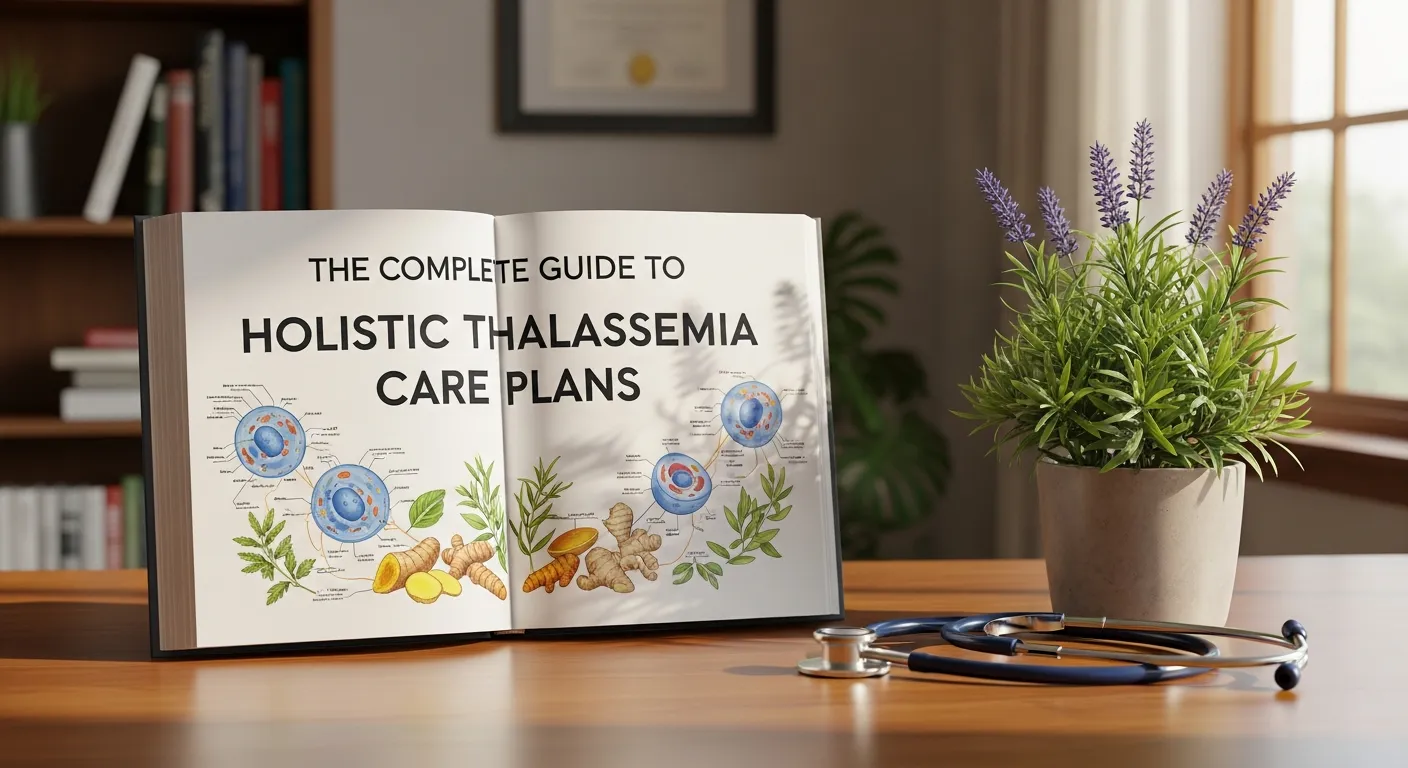
A holistic thalassemia care plans focuses on treating the whole person, not just the disease. It combines medical treatment, nutrition, lifestyle management, and emotional support to improve long-term health and quality of life. By integrating blood transfusions, iron chelation therapy, regular monitoring, and healthy daily habits, patients can better manage symptoms and prevent complications. This complete guide highlights a balanced and patient-centered approach to living well with thalassemia.
Receiving a thalassemia diagnosis changes the trajectory of a person’s life, bringing frequent medical appointments, blood transfusions, and continuous health monitoring. Thalassemia is an inherited blood disorder that limits the body’s ability to produce adequate amounts of healthy hemoglobin. This vital protein is responsible for carrying oxygen to every cell in the body. When hemoglobin levels drop, it leads to chronic anemia, extreme fatigue, and the potential for serious organ damage. For decades, the standard medical response focused purely on clinical survival. Doctors prioritized keeping hemoglobin levels stable and managing immediate crises.
Modern medicine now recognizes that surviving is not the same as thriving. Treating the physical symptoms of a genetic blood disorder is only one part of the equation. A person living with this condition needs a comprehensive strategy that addresses their physical, emotional, and social needs. Relying solely on clinical interventions often leaves gaps in a patient’s overall quality of life. Fatigue can drain mental energy. Frequent hospital visits can cause severe anxiety. Dietary restrictions can feel overwhelming without proper guidance.
This is exactly why patients and healthcare providers are shifting their focus. By adopting Holistic Thalassemia Care Plans, individuals can build a sustainable framework for lifelong wellbeing. Holistic thalassemia care plans combine advanced medical treatments with nutritional guidance, mental health support, and lifestyle adjustments. These comprehensive plans blend advanced medical treatments with nutritional guidance, mental health support, and lifestyle adjustments. They treat the whole person rather than just the disease. If you want to optimize your daily health and take control of your long-term outlook, understanding how to build and maintain one of these plans is an essential first step.
The Pillars of Holistic Thalassemia Care
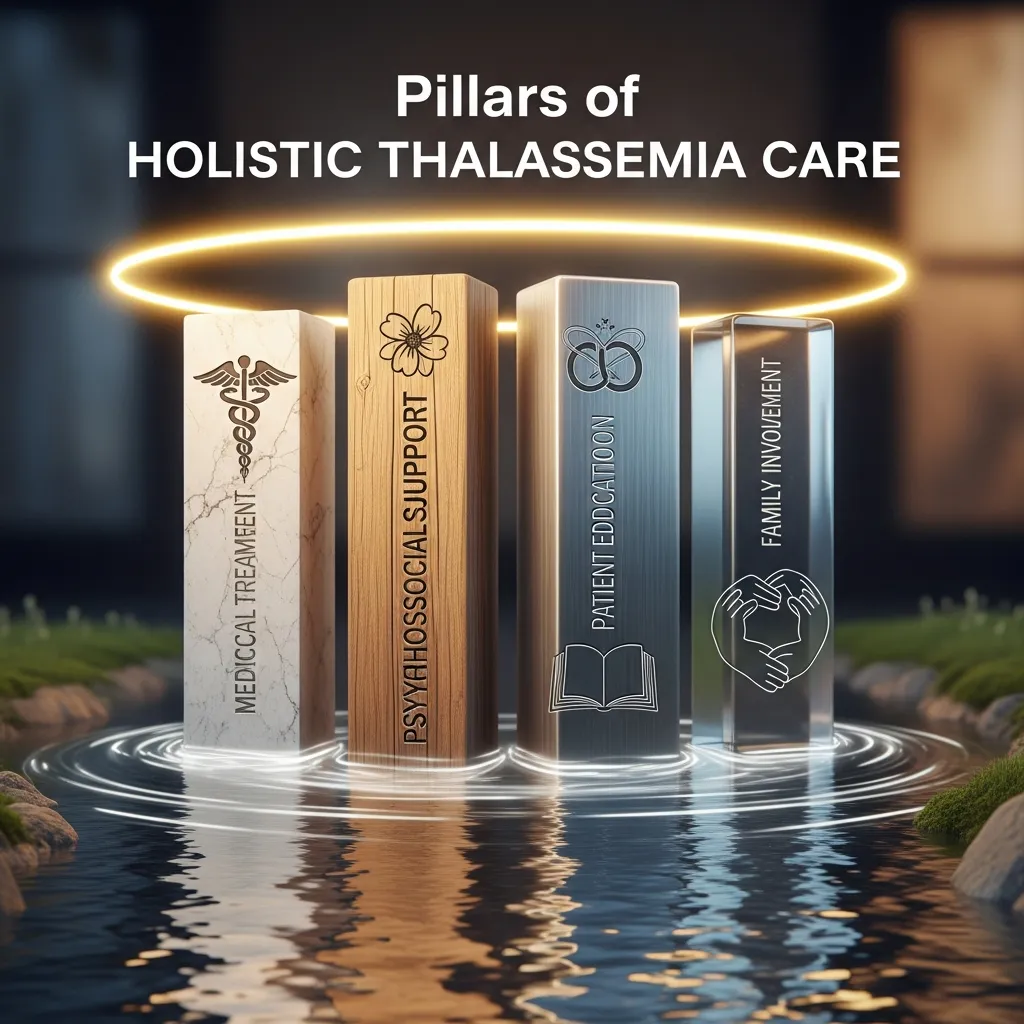 A truly effective approach to managing this blood disorder rests on four main pillars. Each pillar supports the others, creating a strong foundation for a healthy life through holistic thalassemia care plans that address both medical and lifestyle needs.
Medical Management: Beyond Transfusions
The most critical component of any care strategy is robust medical management. For patients with severe forms of the disorder, regular blood transfusions are a life-saving necessity. These transfusions supply the body with healthy red blood cells, relieving the symptoms of severe anemia. However, frequent transfusions introduce a new problem: iron overload. The human body cannot easily eliminate excess iron. Over time, the iron from transfused blood builds up in vital organs such as the liver, heart, and endocrine glands, increasing the risk of long-term complications. This is why ongoing monitoring and individualized treatment adjustments are essential in holistic thalassemia care plans.
To manage iron overload, iron chelation therapy is introduced, which helps remove excess iron from the body. Doctors carefully adjust dosage and medication type based on ferritin levels, organ function tests, and patient response. This ensures that treatment is both effective and safe while supporting long-term wellbeing.
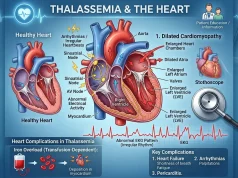
Beyond transfusions and chelation, modern medical management also includes routine heart and liver assessments, hormone level checks, and advanced imaging techniques. These tools allow healthcare providers to detect complications early and refine treatment strategies. In holistic thalassemia care plans, medical management is not just about survival—it is about maintaining stability, preventing complications, and improving quality of life over time.To combat this, doctors prescribe iron chelation therapy. Chelating medications bind to the excess iron, allowing the body to excrete it safely. Sticking to a strict chelation schedule is non-negotiable for preventing irreversible organ damage. Patients must undergo routine screenings to monitor iron levels in the heart and liver. Recognizing the early signs of heart problems in thalassemia—such as irregular heartbeats or sudden shortness of breath—allows doctors to adjust chelation doses before permanent damage occurs.
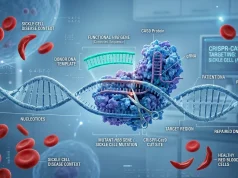
Fortunately, hematology is advancing rapidly. Exploring advanced thalassemia care: modern management reveals new horizons, including gene therapies and novel drugs that enhance red blood cell maturation. These breakthroughs are helping patients reduce their transfusion dependency and look forward to a brighter future.
Nutritional Support: Fueling the Body
What you eat directly impacts how your body handles the stress of chronic anemia. Nutritional support is a vital pillar that requires daily attention. Patients must follow specific dietary guidelines to avoid making iron overload worse. This generally means avoiding iron-fortified cereals, limiting red meat consumption, and completely avoiding taking vitamin C supplements with meals, as vitamin C heavily increases iron absorption.
Instead, the diet should focus on foods rich in calcium, vitamin D, and folic acid to support bone health. Chronic bone marrow expansion often weakens the skeletal structure, making osteoporosis a common complication. Dairy products, leafy greens, and safe supplements can keep bones strong.
Monitoring your diet is also the first line of defense against liver complications. Catching liver iron overload symptoms early—like unexplained upper abdominal pain or chronic fatigue—means you can work with a dietitian to protect your liver function and adjust your food intake accordingly.
Emotional and Psychological Wellbeing: Nurturing the Mind
Living with a chronic illness carries a heavy psychological burden. Constant medical appointments, needle fatigue, and the fear of complications can severely impact a patient’s mental health. A holistic care plan must actively nurture the mind, which is a key part of holistic thalassemia care plans designed for long-term wellbeing.
Developing effective coping strategies is essential. Some patients find relief through mindfulness practices, meditation, or cognitive behavioral therapy. Having a safe space to express fears and frustrations prevents anxiety and depression from taking root.
The role of family and support networks cannot be overstated. Caregivers need to provide empathy and understanding, ensuring the patient never feels isolated. Regular check-ins with mental health professionals should be treated with the same importance as visiting a hematologist. A healthy mind gives patients the resilience needed to stick to demanding medical treatments and fully benefit from holistic thalassemia care plans.
Physical Activity and Lifestyle: Staying Active
Physical activity might seem daunting to someone experiencing chronic fatigue, but safe exercise is incredibly beneficial. Moderate, low-impact activities like walking, swimming, or yoga improve cardiovascular health without overstraining the heart. Exercise also boosts endorphins, naturally lifting the patient’s mood.
Rest is equally important. Chronic anemia forces the heart and lungs to work harder, so the body requires high-quality sleep to recover. Patients must prioritize a consistent sleep schedule to maintain their energy levels. These lifestyle adjustments play a vital role in holistic thalassemia care plans, helping patients maintain balance between activity and recovery while improving overall quality of life.At the same time, patients need to actively avoid severe risks. Avoiding infections, minimizing alcohol intake to protect the liver, and understanding the core risk factors of severe thalassemia helps individuals adapt their daily routines for maximum safety.
Developing a Personalized Holistic Thalassemia Care Plan
 No two patients experience this disorder in the exact same way. Therefore, applying a generic treatment approach rarely produces optimal results.
A successful care strategy requires close collaboration with a diverse team of healthcare professionals. Your team should include a hematologist, a cardiologist, an endocrinologist, a dietitian, and a psychologist. Working together, these experts can tailor a program specifically to your genetic mutation, age, and lifestyle.
Creating the plan is only the beginning. Regular monitoring and adjustments are mandatory. As the body ages or as new therapies become available, the plan must evolve. Learning how to monitor thalassemia at home empowers patients to track daily symptoms, log fatigue levels, and ensure they never miss a dose of their chelation medication. By staying proactive, patients remain in the driver’s seat of their own health journey.
Education and Advocacy: Being Your Own Champion
Knowledge provides protection. Patients who deeply understand their condition are far better equipped to manage it. Reading up on the specific genetic mechanics, such as understanding alpha or beta mutations, helps demystify the illness and strengthens the foundation of holistic thalassemia care plans.
Connecting with support groups and patient communities is incredibly validating. Sharing experiences with others who face the exact same daily struggles breaks down feelings of isolation. These communities often share practical advice for managing side effects and navigating complex healthcare systems. You can find excellent resources and community connections through the .
Furthermore, advocacy drives progress. By raising awareness, participating in clinical trials, and supporting funding for medical research, patients and families push the scientific community toward better treatments and eventual cures. Being an advocate means speaking up for your needs in the doctor’s office and fighting for the broader thalassemia community on a global scale. All of these efforts align with the principles of holistic thalassemia care plans, where patient empowerment is a central focus.
Success Stories and Future Outlook
A diagnosis of a severe blood disorder used to carry a very grim prognosis. Today, the narrative is completely different. Around the world, individuals with this condition are living long, fulfilling lives. They are graduating from college, building successful careers, and starting families of their own.
These inspiring journeys prove that proper management works. As science continues to evolve, the future looks exceptionally bright. The continually monitors and reports on the rising life expectancy and improved quality of life for patients globally. With ongoing research focusing on gene editing and improved iron chelators, the dream of a widely available, permanent cure is steadily becoming a reality, further strengthening the importance of holistic thalassemia care plans in modern treatment approaches.
Embracing Lifelong Wellbeing
 Managing a genetic blood disorder is undoubtedly a complex challenge. It requires vigilance, patience, and a dedicated medical team. Yet, the principles outlined above show that the condition does not have to define your potential, especially when guided by holistic thalassemia care plans focused on long-term stability and quality of life.
By securing proper medical treatments, fueling your body with the right nutrition, protecting your mental health, and staying physically active, you can build a resilient defense against the disease. Holistic thalassemia care plans encourage a balanced approach that integrates clinical treatment with lifestyle, emotional support, and preventive care.
Establish your personalized routine, lean on your support networks, and stay educated on the latest medical advancements. Taking these proactive steps ensures that you can navigate the hurdles of thalassemia while embracing a vibrant and fulfilling life supported by holistic thalassemia care plans designed for lifelong wellbeing and continuous improvement.
Conclusion
Holistic thalassemia care plans offer a complete and patient-centered approach to managing a lifelong genetic blood disorder. By combining medical treatment, nutrition, mental health support, and lifestyle adjustments, these plans help patients achieve better stability and improved quality of life. While thalassemia cannot yet be fully cured, holistic thalassemia care plans ensure that individuals can live healthier, more balanced, and more fulfilling lives with proper long-term care and support.
1. What are holistic thalassemia care plans?
Holistic thalassemia care plans are comprehensive treatment approaches that combine medical care, nutrition, mental health support, and lifestyle management.
They focus on improving overall quality of life, not just treating symptoms.
These plans aim to support long-term wellbeing for thalassemia patients.
2. Why are holistic thalassemia care plans important?
They address both physical and emotional aspects of the disease.
Traditional treatment alone may not cover mental health and lifestyle needs.
Holistic thalassemia care plans provide a more balanced and effective approach.
3. What treatments are included in holistic thalassemia care?
They include blood transfusions, iron chelation therapy, and regular monitoring.
Doctors also consider nutrition and lifestyle adjustments.
Everything is personalized based on patient needs.
4. How does nutrition help in thalassemia management?
A healthy diet supports energy levels and overall health.
Proper nutrition helps reduce complications from anemia.
It is a key part of holistic thalassemia care plans.
5. Can exercise be safe for thalassemia patients?
Yes, light to moderate exercise is often recommended.
Activities like walking, yoga, or swimming can improve stamina.
Exercise is adjusted based on individual health conditions.
6. Do holistic care plans include mental health support?
Yes, mental health is a core part of holistic care.
Counseling and stress management help reduce anxiety and depression.
This improves overall treatment success.
7. How do doctors personalize thalassemia care?
Doctors use genetic tests, blood reports, and patient history.
Treatment is adjusted based on severity and lifestyle.
This ensures better outcomes through holistic thalassemia care plans.
8. Are holistic thalassemia care plans suitable for children?
Yes, they are especially important for growing children.
They help support physical development and emotional wellbeing.
Care is carefully tailored to age and condition.
9. Can holistic care improve quality of life?
Yes, it helps patients manage symptoms more effectively.
It reduces complications and improves daily energy levels.
It supports a healthier and more active lifestyle.
10. Is thalassemia curable with holistic care?
Holistic care does not cure thalassemia.
However, it significantly improves long-term management.
Research continues to explore future cures alongside holistic thalassemia care plans.