Gene therapy for thalassemia is an advanced medical treatment designed to correct or replace faulty genes responsible for the disorder. This innovative approach aims to reduce dependence on blood transfusions, improve hemoglobin production, and offer long-term treatment possibilities for individuals living with thalassemia.

Living with a severe blood disorder means navigating a complex maze of hospital visits, blood transfusions, and physical exhaustion. For many individuals and their families, this rigid routine defines their daily reality. For decades, standard medical approaches focused heavily on managing symptoms rather than correcting the underlying cause of the condition. Now, a revolutionary medical breakthrough is transforming the future of treatment. This breakthrough is gene therapy for thalassemia.

Unlike traditional treatments that mainly focus on symptom control, gene therapy for thalassemia targets the disorder at its genetic source. Scientists are developing advanced therapies designed to repair or replace faulty genes responsible for abnormal hemoglobin production. This innovative approach has the potential to significantly reduce or even eliminate the need for lifelong blood transfusions and iron chelation therapy.

By addressing the root cause of the disorder directly at the DNA level, researchers are offering patients an entirely new outlook on life. Instead of depending on continuous medical interventions to survive, individuals may eventually experience greater independence, improved energy levels, and a better overall quality of life. The possibility of producing healthy red blood cells naturally represents a major turning point in modern medicine.

Recent advancements in genetic engineering, stem cell research, and CRISPR-based technologies have accelerated the development of gene therapy for thalassemia. Clinical trials around the world are already showing promising results, with many patients experiencing long-term improvements in hemoglobin production and reduced transfusion dependence.

This complete guide explains the science behind gene therapy for thalassemia in a clear and accessible way. You will learn how these groundbreaking treatments work, explore the latest developments in clinical research, and understand the potential benefits, challenges, and future impact of this life-changing medical innovation.

Introduction to Thalassemia and the Promise of Gene Therapy
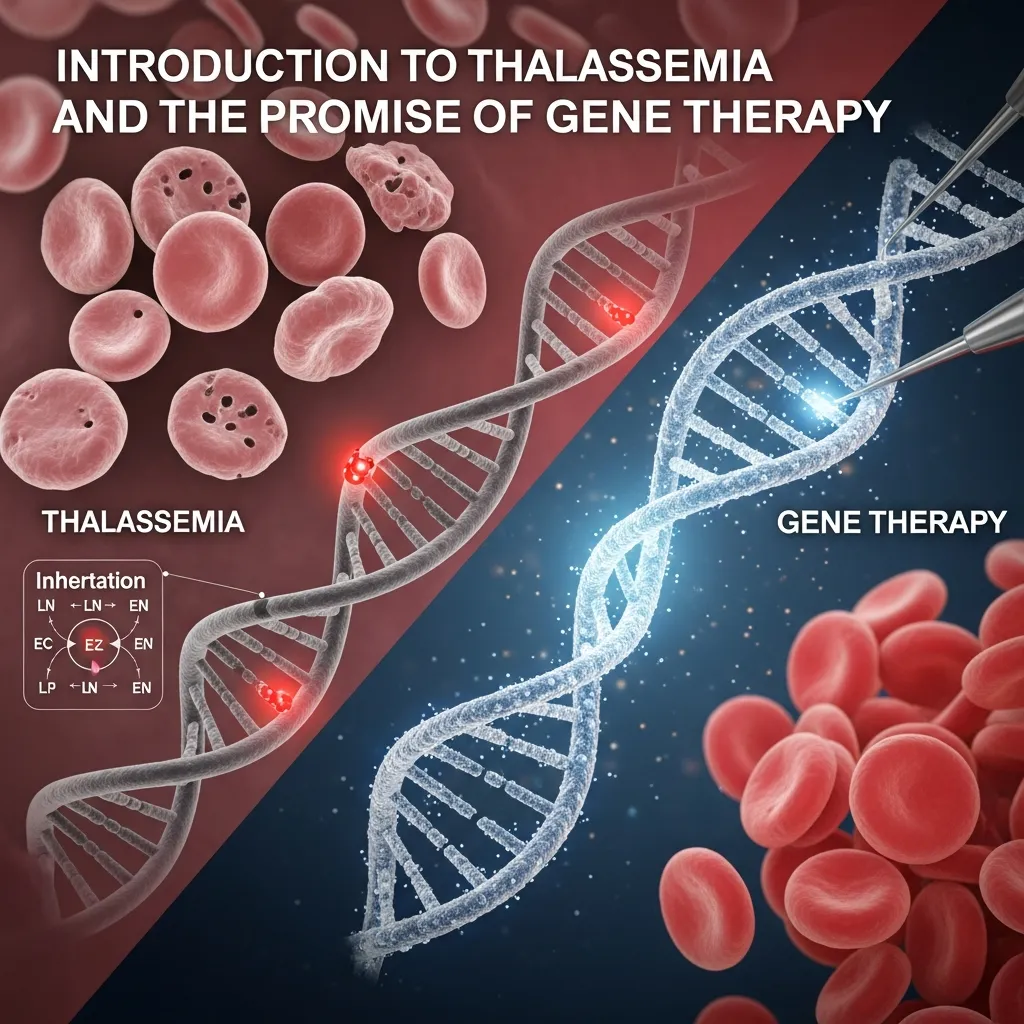
Thalassemia and gene therapy overviewTo truly appreciate the impact of this new technology, you must first understand how the condition affects the human body and why traditional treatments fall short.

What is Thalassemia?

Thalassemia is an inherited genetic blood disorder that severely limits the body’s ability to produce healthy hemoglobin. Hemoglobin is the vital protein inside red blood cells responsible for carrying oxygen to every organ, muscle, and tissue. When hemoglobin production drops, the body experiences chronic anemia. This condition leads to extreme fatigue, profound weakness, and delayed physical growth in children.

Depending on the specific genetic mutation a person inherits, they can develop different forms of the condition. Recognizing alpha thalassemia symptoms early is crucial, as they can range from very mild, unnoticeable traits to severe, life-threatening clinical complications.

Current Treatment Landscape: Limitations and Challenges

Historically, treating severe forms of this blood disorder required intensive, lifelong medical support. Patients usually depend on regular blood transfusions every few weeks to maintain safe oxygen levels in their bodies. While these transfusions absolutely save lives, they introduce a massive secondary health challenge: iron overload. The human body lacks a natural mechanism to filter out the excess iron found in transfused blood.

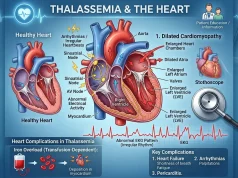
Over time, this toxic iron builds up in vital organs like the heart, liver, and pancreas. To prevent total organ failure, patients must undergo strict iron chelation therapy to remove the mineral from their system. Learning how to monitor thalassemia at home is a major part of this process, helping individuals track fatigue levels and manage medication side effects safely. Even with the most diligent care, navigating the risk factors of severe thalassemia remains a heavy physical, emotional, and financial burden.
The Dawn of Gene Therapy for Thalassemia: A New Hope

Medical researchers knew they needed a better, more permanent solution for treating inherited blood disorders. Traditional therapies helped patients survive, but they often required lifelong blood transfusions, continuous monitoring, and aggressive iron chelation treatment. As a result, scientists began looking beyond symptom management and focused directly on the human genetic code itself. This search for a lasting solution led to the development of gene therapy for thalassemia, which quickly emerged as one of the most promising breakthroughs in modern medicine.

Unlike conventional treatments that temporarily replace damaged blood cells, gene therapy for thalassemia aims to correct the disorder at its source. The goal is to repair or replace the faulty genetic instructions responsible for abnormal hemoglobin production. By giving the body a healthy genetic blueprint, researchers hope to restore the natural ability to produce functional red blood cells without ongoing medical dependence.

This revolutionary approach represents a major shift in how doctors view chronic blood disorders. Instead of focusing only on symptom control, scientists are now working toward long-term genetic correction and potential functional cures. For many patients, this could mean freedom from regular transfusions, fewer hospital visits, and a significantly improved quality of life.

Advancements in gene-editing technologies such as CRISPR, viral vector delivery systems, and stem cell engineering have accelerated progress in gene therapy for thalassemia. Clinical studies have already shown encouraging results, with some patients achieving stable hemoglobin levels and reduced transfusion requirements after treatment.

The rise of gene therapy for thalassemia marks a transformative moment in hematology and personalized medicine. It offers renewed hope not only for patients and families but also for the broader future of genetic disease treatment worldwide.

The Science Behind Gene Therapy for Thalassemia

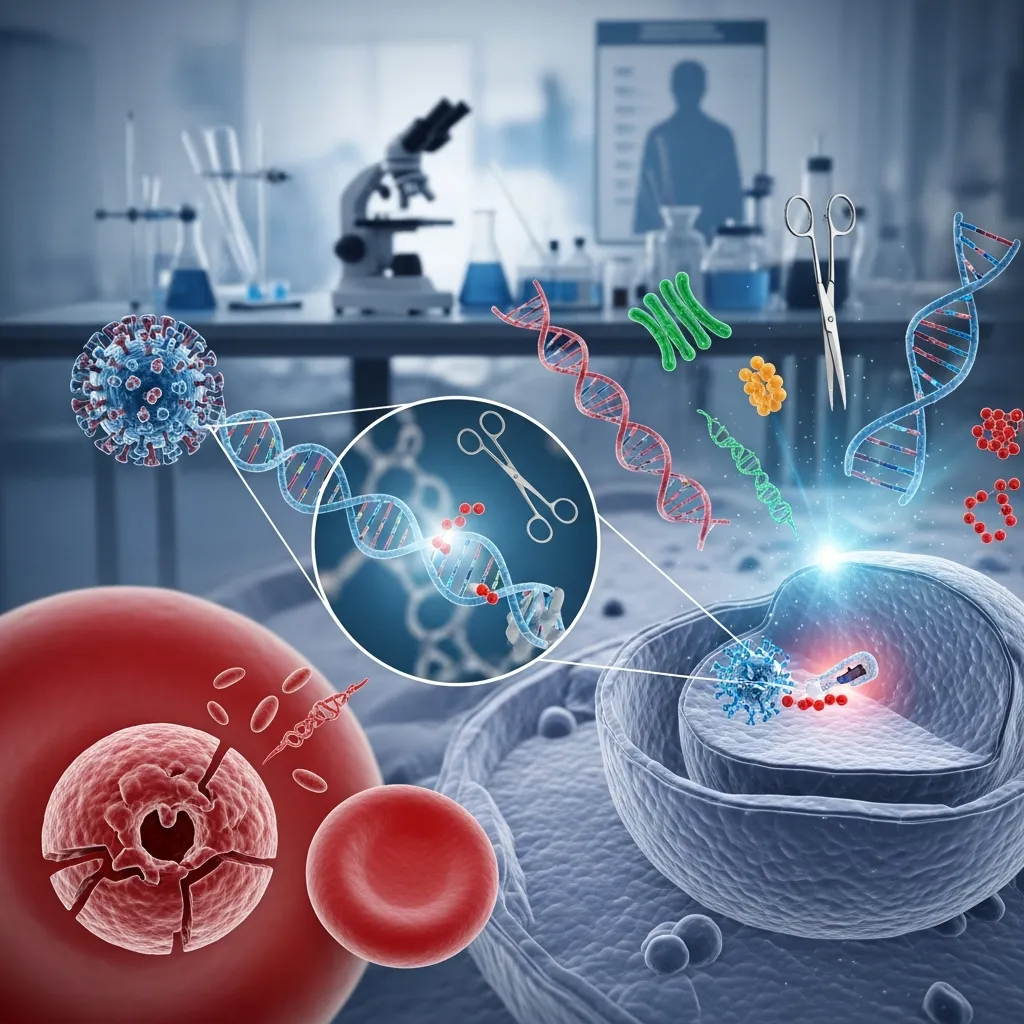
Gene therapy science for thalassemiaThe mechanics of this treatment rely on incredible advancements in modern cellular biology, molecular medicine, and genetic engineering. Researchers have spent decades studying how inherited blood disorders develop at the DNA level, leading to the groundbreaking development of gene therapy for thalassemia. This innovative treatment approach aims to correct the root genetic defect rather than simply managing symptoms throughout a patient’s lifetime.
Understanding Gene Therapy: How it Works

Gene therapy may sound like science fiction, but the concept is based on a highly logical scientific process. Human bodies function according to instructions stored in DNA. In individuals with thalassemia, the genes responsible for producing healthy hemoglobin contain mutations or errors. These faulty instructions prevent the body from creating enough healthy red blood cells.

Gene therapy for thalassemia attempts to correct or bypass these defective genetic instructions. Doctors first collect blood-forming stem cells from the patient’s bone marrow or bloodstream. These stem cells are extremely important because they are responsible for continuously producing new blood cells throughout life.

Inside a specialized laboratory, scientists modify these stem cells by introducing healthy genetic material or editing the faulty DNA directly. Once corrected, the stem cells are infused back into the patient through an intravenous procedure. The modified cells travel back into the bone marrow, where they begin generating healthy red blood cells capable of carrying oxygen more effectively.

This process has the potential to significantly reduce dependence on blood transfusions and improve long-term quality of life for patients receiving gene therapy for thalassemia.

Types of Gene Therapy Approaches for Thalassemia

Researchers are currently using several advanced techniques to deliver healthy genetic instructions into stem cells. The two most widely discussed approaches involve lentiviral vector therapy and CRISPR gene editing technology.

Lentiviral Vector Therapy

Lentiviral vectors act as microscopic delivery systems. Scientists engineer harmless viruses that can safely transport healthy copies of hemoglobin-producing genes into the patient’s stem cells. Once inserted, the corrected gene becomes part of the cell’s DNA, allowing the body to begin producing functional hemoglobin naturally.

This approach has shown promising results in multiple clinical studies and remains one of the most established forms of gene therapy for thalassemia currently under development.

CRISPR Gene Editing

CRISPR technology takes a more precise and targeted approach. Instead of adding a completely new gene, CRISPR works like microscopic biological scissors that directly edit existing DNA sequences. Scientists can target the exact mutation responsible for the disorder and modify it at the genetic level.

One major advantage of CRISPR-based gene therapy for thalassemia is its ability to reactivate fetal hemoglobin production. Fetal hemoglobin naturally carries oxygen efficiently and can compensate for defective adult hemoglobin, reducing the severity of symptoms dramatically.

Key Genes Targeted in Thalassemia Gene Therapy

The primary focus of gene therapy for thalassemia involves genes connected to alpha-globin and beta-globin production. In beta thalassemia, mutations in the HBB gene disrupt the production of healthy beta-globin chains, leading to severe anemia and transfusion dependence.

Lentiviral therapies mainly aim to restore proper HBB gene function by introducing healthy genetic copies into stem cells. This enables the body to produce healthier hemoglobin over time.

CRISPR-based therapies frequently target the BCL11A gene instead. The BCL11A gene normally suppresses fetal hemoglobin production after birth. By reducing or disabling BCL11A activity, scientists can trigger the body to produce fetal hemoglobin again. This biological workaround provides patients with a powerful alternative source of functional hemoglobin capable of transporting oxygen efficiently.

Why Gene Therapy Represents a Major Medical Breakthrough

Traditional thalassemia treatments focus on symptom management through blood transfusions and iron chelation therapy. While these methods improve survival, they often create long-term complications such as iron overload, organ damage, and reduced quality of life.

Gene therapy for thalassemia offers a fundamentally different approach by targeting the disease at its source. Instead of treating the symptoms repeatedly, researchers aim to create long-lasting genetic correction with a single treatment process.

As clinical trials continue to show encouraging outcomes, gene therapy for thalassemia is becoming one of the most promising advancements in modern hematology and personalized medicine. It has the potential to transform the future of blood disorder treatment and provide renewed hope for patients worldwide.

The Journey to Clinical Application: Trials and Progress

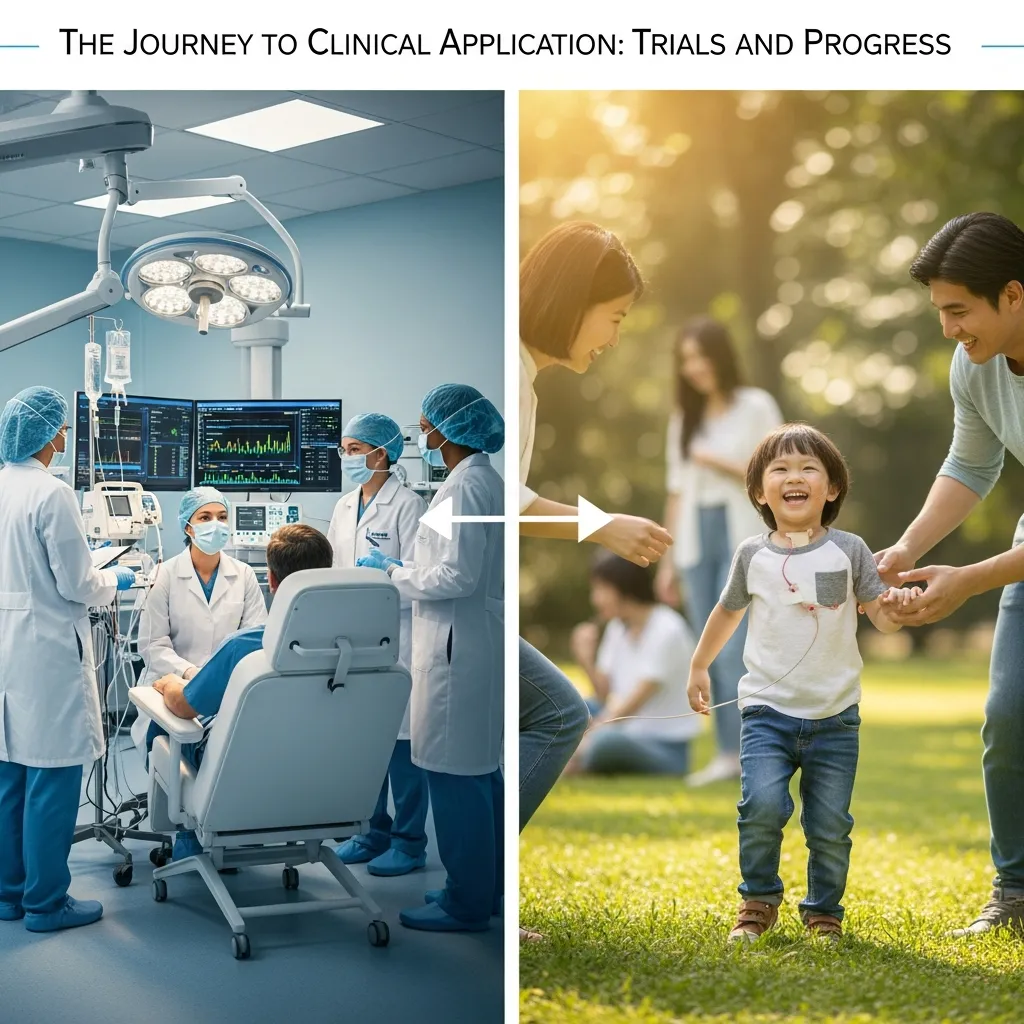
Gene therapy clinical trials progressMoving these treatments from a laboratory concept to a real-world medical application required immense dedication and careful testing.

Early Research and Pre-clinical Studies

The path to successful gene therapy for thalassemia took decades of rigorous scientific research. Early laboratory studies focused heavily on understanding how stem cells behaved outside the human body. Researchers had to figure out how to safely extract these delicate cells, modify their genetic structure, and keep them alive in a lab. Animal models provided the first concrete proof that introducing healthy genes could cure severe forms of anemia. These foundational studies set the strict safety standards needed for human testing.

Overview of Major Clinical Trials for Gene Therapy in Thalassemia

As cellular technology improved, human clinical trials began to show remarkable, consistent results. Major studies focused primarily on adult and adolescent patients with transfusion-dependent beta thalassemia. The primary clinical goal was to see if modified stem cells could produce enough natural hemoglobin to eliminate the need for regular blood transfusions entirely.

According to data shared by the National Heart, Lung, and Blood Institute (NHLBI), clinical trials carefully monitor patients for many years to ensure the treatment is both safe and highly durable. Participants undergo rigorous medical preparation, including specialized chemotherapy, to clear out their old, defective bone marrow before receiving the newly modified cells.

Notable Success Stories and Milestones

The published results from recent clinical trials have been truly historic for the medical community. Many patients who previously depended on blood transfusions every few weeks are now living transfusion-free after receiving gene therapy for thalassemia. Instead of relying on continuous hospital treatments, these individuals are producing healthier hemoglobin naturally through corrected stem cells.

For patients and families who spent years managing chronic fatigue, severe anemia, and treatment complications, these outcomes represent life-changing progress. Many participants in clinical trials have reported dramatic improvements in energy levels, physical stamina, and overall quality of life after undergoing gene therapy for thalassemia. Some individuals who once faced constant medical interruptions are now able to return to work, school, and normal daily activities with far greater independence.

One of the most remarkable milestones involves patients maintaining stable hemoglobin levels for years after receiving treatment. This long-term success demonstrates the powerful potential of gene therapy for thalassemia to provide durable and lasting results rather than temporary symptom relief.

Researchers have also achieved major breakthroughs using both lentiviral therapies and CRISPR-based gene-editing techniques. Clinical studies have shown that many treated patients significantly reduced or completely eliminated their dependence on blood transfusions. In some cases, patients achieved near-normal hemoglobin production for the first time in their lives.

Regulatory agencies around the world are now recognizing the transformative potential of these therapies. Recent approvals of advanced gene-editing treatments mark a historic turning point in medicine and personalized healthcare. These approvals validate years of scientific research and confirm that gene therapy for thalassemia is moving from experimental science toward mainstream clinical treatment.

The success of these therapies extends beyond thalassemia alone. Scientists believe the same genetic technologies may eventually help treat many other inherited diseases, including sickle cell disease and certain immune disorders. As research continues to advance, gene therapy for thalassemia stands as one of the clearest examples of how modern genetic medicine can fundamentally reshape the future of healthcare.

These documented success stories provide powerful proof that a single treatment approach can potentially alter the lifelong course of a severe genetic blood disorder. For countless patients worldwide, gene therapy for thalassemia represents not just a new treatment option, but genuine hope for a healthier and more independent future.

The Life-Changing Benefits of Gene Therapy

Gene therapy benefitsGene therapy for thalassemia offers distinct advantages that go far beyond basic symptom relief.

The most obvious clinical benefit is the potential freedom from chronic blood transfusions. Eliminating the need for transfusions completely removes the primary cause of iron overload. This immediately protects the heart, liver, and delicate endocrine system from irreversible toxic damage.

Patients also experience a massive boost in their daily quality of life. Without severe anemia constantly weighing them down, individuals can exercise normally, focus better at work or school, and pursue physical activities they previously avoided. The emotional relief for families is equally profound. Caregivers no longer have to plan their entire lives around hospital schedules and medical crises.

Furthermore, this innovative approach fits perfectly into modern holistic thalassemia care plans. While patients still require occasional monitoring to ensure their organs heal properly, the heavy clinical burden is drastically reduced. The Centers for Disease Control and Prevention (CDC) notes that improved and advanced treatments directly correlate with much longer, healthier life expectancies for the entire patient population.

Embracing a New Era of Medical Innovation

Gene therapy for thalassemia represents one of the most exciting and impactful advancements in modern medicine today. By treating the disorder directly at its genetic source, science is offering patients a true chance at lifelong health, stability, and independence.

If you or a loved one are currently managing a severe blood disorder, stay actively informed about these emerging treatments. Speak with your hematologist about relevant clinical trials and ongoing global research. Education is your most powerful tool in navigating chronic illness. Keep asking detailed questions, stay closely connected with patient advocacy groups, and take an active, confident role in shaping your healthcare journey.

Conclusion

Gene therapy for thalassemia represents one of the most groundbreaking advancements in modern medicine. By targeting the root genetic cause of the disorder, it offers the possibility of long-term or even transfusion-free living for many patients. While challenges such as cost, accessibility, and long-term safety still remain, the progress seen in clinical trials is highly promising. As research continues to evolve, gene therapy stands as a powerful step toward transforming thalassemia treatment from lifelong management to potential functional cure.

Frequently Asked Questions About Gene Therapy

1.Is gene therapy a complete cure?

For many patients in clinical trials, gene therapy has eliminated the need for blood transfusions entirely, essentially acting as a functional cure. However, long-term monitoring is still required to understand durability over decades.

2.How long does the treatment process take?

The full process can take several months, including stem cell collection, lab modification, chemotherapy conditioning, and recovery after infusion.

3.Are there side effects to the procedure?

Yes. Conditioning chemotherapy may cause fatigue, hair loss, infection risk, and temporary immune suppression, requiring close hospital monitoring.

4.Is gene therapy for thalassemia approved everywhere?

No. It is approved in some countries and still under regulatory review or limited clinical use in others, depending on health authorities.

5.Who is eligible for gene therapy?

Eligibility depends on disease severity, overall health, age, and whether the patient has suitable stem cells for modification.

6.Is the treatment painful?

The stem cell collection and infusion are generally manageable, but chemotherapy conditioning can cause significant discomfort and side effects.

7.How successful is gene therapy so far?

Clinical trials show many patients becoming transfusion-independent, with improved hemoglobin levels and long-term stability in many cases.

8.Can gene therapy fail?

Yes. In some cases, patients may not respond fully, or results may vary depending on genetic complexity and treatment response.

9.Is gene therapy safe for children?

It is being studied and used in select cases, but safety and long-term outcomes in children are still under ongoing research.

10.Will patients still need follow-up after treatment?

Yes. Lifelong monitoring is required to track blood health, hemoglobin levels, and any long-term effects of the therapy.

LEAVE A REPLY

Please enter your comment!
Please enter your name here