Adult thalassemia focuses on managing long-term health complications such as iron overload, heart and liver issues, and bone problems. Proper care, regular monitoring, and treatment help improve quality of life while controlling thalassemia complications in adults effectively.
Hematological Complications
The blood system bears the brunt of the initial impact of thalassemia. Over time, the continuous strain on red blood cell production leads to a cascade of hematological challenges, especially in thalassemia complications in adults.
Anemia and Its Impact on Organ Systems
Chronic anemia is the hallmark of the disorder. Because the body cannot produce enough healthy hemoglobin, organs and tissues are constantly deprived of optimal oxygen levels. This persistent state of hypoxia forces the heart and lungs to work harder to compensate. Over many years, this increased workload can weaken these vital organs. Adults often experience profound fatigue, reduced exercise tolerance, and a general lack of energy that can interfere with daily responsibilities and career goals.
As the condition progresses, this reduced oxygen delivery can also affect cognitive function, concentration, and overall physical endurance, further increasing the burden of thalassemia complications in adults.
Iron Overload: A Major Concern
Iron overload is perhaps the most significant challenge adults with this condition face. It acts as the primary driver for many other organ-specific complications linked to thalassemia complications in adults.
Causes and Mechanisms
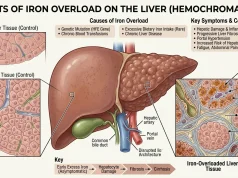
The human body lacks a natural mechanism to excrete excess iron. Adults with severe forms of the disorder receive frequent blood transfusions, and every unit of blood contains a substantial amount of iron. Furthermore, chronic anemia signals the gastrointestinal tract to absorb even more iron from the diet. This excess iron eventually escapes safe storage proteins and circulates freely in the blood, depositing itself directly into tissues and organs.
Over time, this uncontrolled iron accumulation leads to oxidative stress, which damages cells and accelerates tissue dysfunction. Without proper management, it becomes one of the main contributors to long-term organ failure seen in thalassemia complications in adults.
Systemic Effects of Iron Accumulation
As iron spreads through the body, it does not remain confined to one organ. Instead, it gradually affects multiple systems at once. The heart may begin to show signs of reduced pumping efficiency, the liver may develop inflammation or fibrosis, and the endocrine system may become disrupted.
This multi-organ involvement makes iron overload not just a single complication but a central factor driving the progression of thalassemia complications in adults. Early detection through regular monitoring and timely treatment is essential to slow this process and protect long-term health.
Chelation Therapy: Types and Importance
To combat this toxic accumulation, patients must undergo iron chelation therapy. Chelators are medications that bind to free iron molecules, allowing the body to excrete them through urine or feces. Patients typically use oral medications like deferasirox or deferiprone, or subcutaneous infusions like deferoxamine. Strict adherence to this therapy is critical. A robust management plan for thalassemia complications in adults relies heavily on chelation to prevent irreversible organ damage.
Splenomegaly and Hypersplenism
The spleen functions as the body’s blood filter. It removes old or damaged red blood cells and helps fight infections. Because thalassemia causes the production of fragile, abnormally shaped red blood cells, the spleen goes into overdrive. This constant heavy lifting causes the spleen to enlarge significantly, a condition known as splenomegaly. An enlarged spleen can start trapping healthy red blood cells, white blood cells, and platelets, worsening the anemia and increasing the risk of infection. If the spleen becomes too large or overactive (hypersplenism), surgical removal might be necessary.
Cardiovascular Complications
 Heart complications remain the leading cause of mortality for adults with severe forms of this blood disorder, especially in thalassemia complications in adults. The combination of chronic anemia and toxic iron buildup creates a highly stressful environment for the cardiovascular system.
Cardiac Iron Overload and Cardiomyopathy
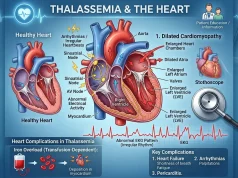
When the liver can no longer store excess iron, the metal spills over and deposits into the heart muscle. This accumulation disrupts the electrical and mechanical functions of the heart. Cardiac iron overload frequently leads to cardiomyopathy, a disease of the heart muscle that makes it harder for the heart to pump blood to the rest of the body. Early detection through regular MRI scans is crucial, as heart damage can progress silently for years before symptoms appear in thalassemia complications in adults.
Pulmonary Hypertension
Pulmonary hypertension involves high blood pressure in the arteries that supply the lungs. It is particularly common in adults who have had their spleen removed or those who do not receive regular blood transfusions. The chronic destruction of red blood cells releases substances that cause the blood vessels in the lungs to constrict and stiffen over time. This forces the right side of the heart to pump much harder, eventually leading to right-sided heart failure if left untreated.
Arrhythmias and Heart Failure
Iron deposits interfere directly with the heart’s electrical conduction system. This interference causes arrhythmias, which are irregular heartbeats that can feel like fluttering, racing, or skipped beats. If cardiomyopathy and arrhythmias are not aggressively managed with adjusted chelation therapy and cardiac medications, they can culminate in congestive heart failure. Implementing comprehensive management strategies for thalassemia complications in adults early in life drastically reduces the incidence of these fatal heart
Endocrine Complications
The endocrine glands are highly sensitive to iron toxicity. Because these glands regulate hormones throughout the body, damage here can affect metabolism, growth, blood sugar, and reproduction, contributing significantly to thalassemia complications in adults.
Diabetes Mellitus
The pancreas is responsible for producing insulin, the hormone that regulates blood sugar. Iron deposits in the pancreas damage the insulin-producing beta cells. Additionally, liver damage from iron overload can cause insulin resistance. This combination frequently leads to diabetes mellitus in adult patients. Managing this requires strict blood sugar monitoring, dietary adjustments, and often insulin therapy. Diabetes is one of the most clinically important thalassemia complications in adults due to its long-term impact on multiple organ systems.
Hypothyroidism and Hypoparathyroidism
The thyroid and parathyroid glands, located in the neck, are also vulnerable to iron accumulation. Iron buildup in the thyroid gland causes hypothyroidism, leading to fatigue, weight gain, cold intolerance, and a sluggish metabolism. Damage to the parathyroid glands causes hypoparathyroidism, which disrupts calcium regulation in the body. Low calcium levels can cause muscle cramps, tingling sensations, and in severe cases, neurological complications. These endocrine disorders are frequently seen in thalassemia complications in adults with long-term iron overload.
Hypogonadism and Fertility Issues
Hypogonadism is one of the most common endocrine complications. Iron toxicity damages the pituitary gland in the brain, disrupting hormone signals that regulate reproductive function. In men, this leads to low testosterone, reduced muscle mass, low libido, and erectile dysfunction. In women, it may cause irregular menstrual cycles, early menopause, and difficulty conceiving.
Despite these challenges, many adults can still achieve successful pregnancies with assisted reproductive technologies, hormonal therapy, and careful medical supervision. Addressing reproductive health is an important part of managing thalassemia complications in adults and improving overall quality of life.
Adrenal Insufficiency
Though less common than other endocrine issues, adrenal insufficiency can occur when iron deposits damage the adrenal glands. These glands produce cortisol, a hormone essential for managing stress, metabolism, and blood pressure. When affected, patients may experience severe fatigue, weight loss, dizziness, and dangerously low blood pressure. Lifelong hormone replacement therapy is often required in such cases. This condition adds further complexity to thalassemia complications in adults, requiring careful long-term endocrine monitoring.
Bone and Joint Complications
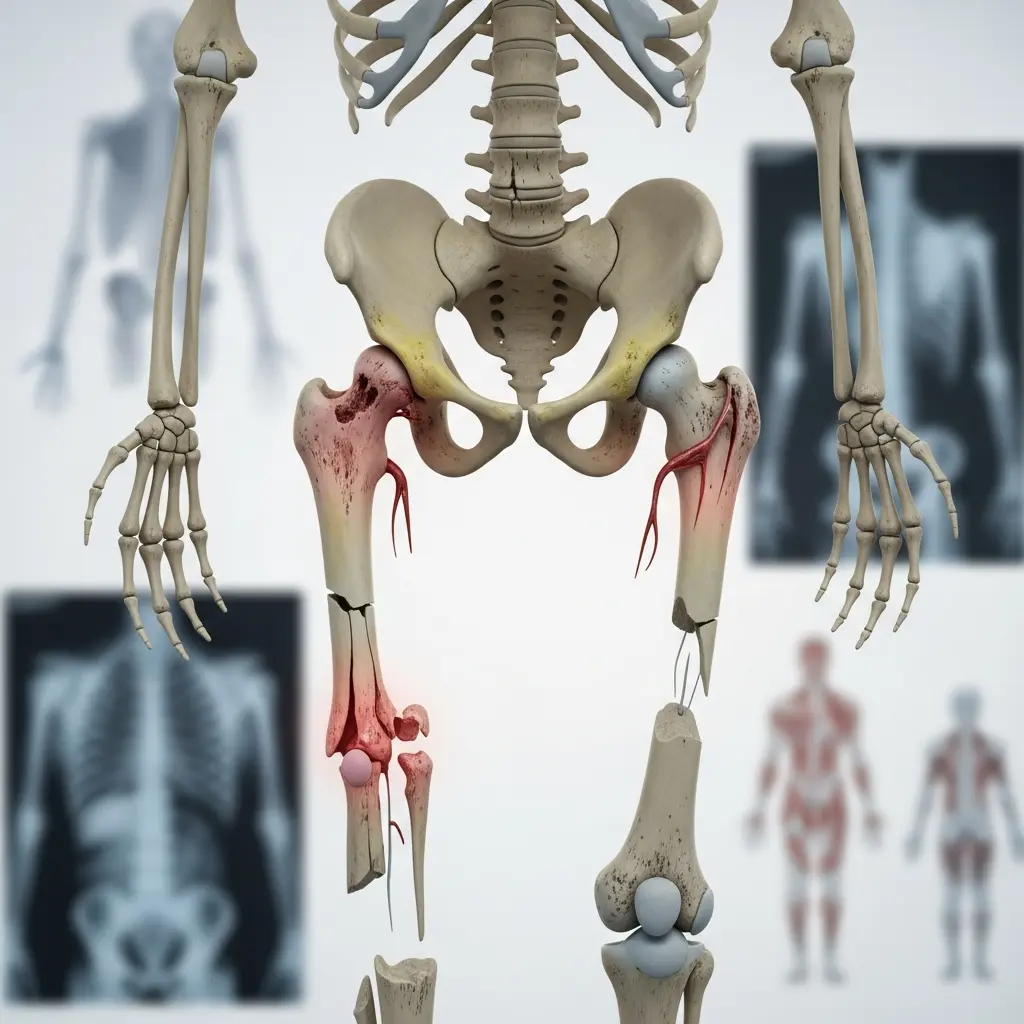 The skeletal system undergoes significant physical changes as a direct result of the body trying to compensate for chronic anemia, making this a major aspect of thalassemia complications in adults.
Osteopenia and Osteoporosis
Because the body desperately needs more red blood cells, the bone marrow expands to increase production. This massive expansion stretches and thins the outer layers of the bones. Consequently, adults frequently suffer from osteopenia (low bone mass) and osteoporosis (severe bone thinning). These conditions make the bones fragile and highly susceptible to fractures from even minor trauma. Endocrine complications such as hypogonadism and vitamin D deficiency further worsen bone density loss in thalassemia complications in adults.
Over time, repeated fractures and weakened bone structure can significantly reduce mobility and independence, making early monitoring essential.
Arthropathy
Arthropathy, or joint disease, is another frequent complaint. It typically affects the ankles, wrists, knees, and hips. The exact cause is a mix of iron overload irritating the joint lining and the mechanical stress of walking on bones altered by marrow expansion. Patients experience chronic pain, swelling, and stiffness that can limit mobility. Physical therapy, pain management, and sometimes joint replacement surgery are necessary to keep patients active. Advanced thalassemia care models prioritize bone and joint health to ensure patients maintain their independence.
Taking Control of Adult Thalassemia Health
Living with this genetic blood disorder as an adult requires vigilance, education, and a proactive approach to your healthcare. The complications spanning the blood, heart, endocrine, and skeletal systems are complex, but they are also highly manageable with modern medicine.
Your next steps should involve scheduling a thorough review of your current health status with your hematologist. Ensure you are up to date on your cardiac MRI, liver iron concentration tests, and bone density scans. Review your chelation regimen and report any new symptoms of fatigue, joint pain, or irregular heartbeats immediately. By utilizing resources like the thalassemia test complete guide, you can better understand your lab results and have more informed conversations with your medical team. Stay committed to your treatment plan, and you can continue to lead a vibrant, active life.
FAQ
1. What are thalassemia complications in adults?
They are long-term health problems affecting organs like the heart, liver, bones, and endocrine system due to chronic anemia and iron overload.
2. Why do complications increase in adult thalassemia patients?
Complications increase over time because of repeated blood transfusions, iron buildup, and ongoing damage to vital organs.
3. What is the most serious complication in adults?
Cardiovascular issues, especially heart failure caused by iron overload, are among the most serious thalassemia complications in adults.
4. How does iron overload affect the body?
Excess iron deposits in organs like the heart, liver, and pancreas, leading to damage and multiple health complications.
5. Can thalassemia affect fertility?
Yes, hormonal imbalance and endocrine damage can lead to fertility issues in both men and women.
6. Why is chelation therapy important?
Chelation therapy removes excess iron from the body and helps prevent organ damage in adult patients.
7. What bone problems are common in adult thalassemia?
Osteopenia, osteoporosis, and joint pain are common due to bone marrow expansion and hormonal imbalances.
8. Can adults with thalassemia live a normal life?
Yes, with proper treatment and regular monitoring, many adults manage their condition and live active lives.
9. Which organs are most affected?
The heart, liver, endocrine glands, bones, and spleen are most commonly affected in thalassemia complications in adults.
10. How can complications be reduced?
Early diagnosis, regular monitoring, chelation therapy, and proper medical care help reduce long-term risks.
Conclusion
Thalassemia complications in adults develop gradually and can affect multiple body systems, including the cardiovascular, endocrine, bone, and blood systems. However, with consistent medical care, iron control through chelation therapy, and regular monitoring, many of these complications can be effectively managed. Early intervention and a strong long-term treatment plan are essential to improving quality of life and reducing the severity of thalassemia complications in adults.