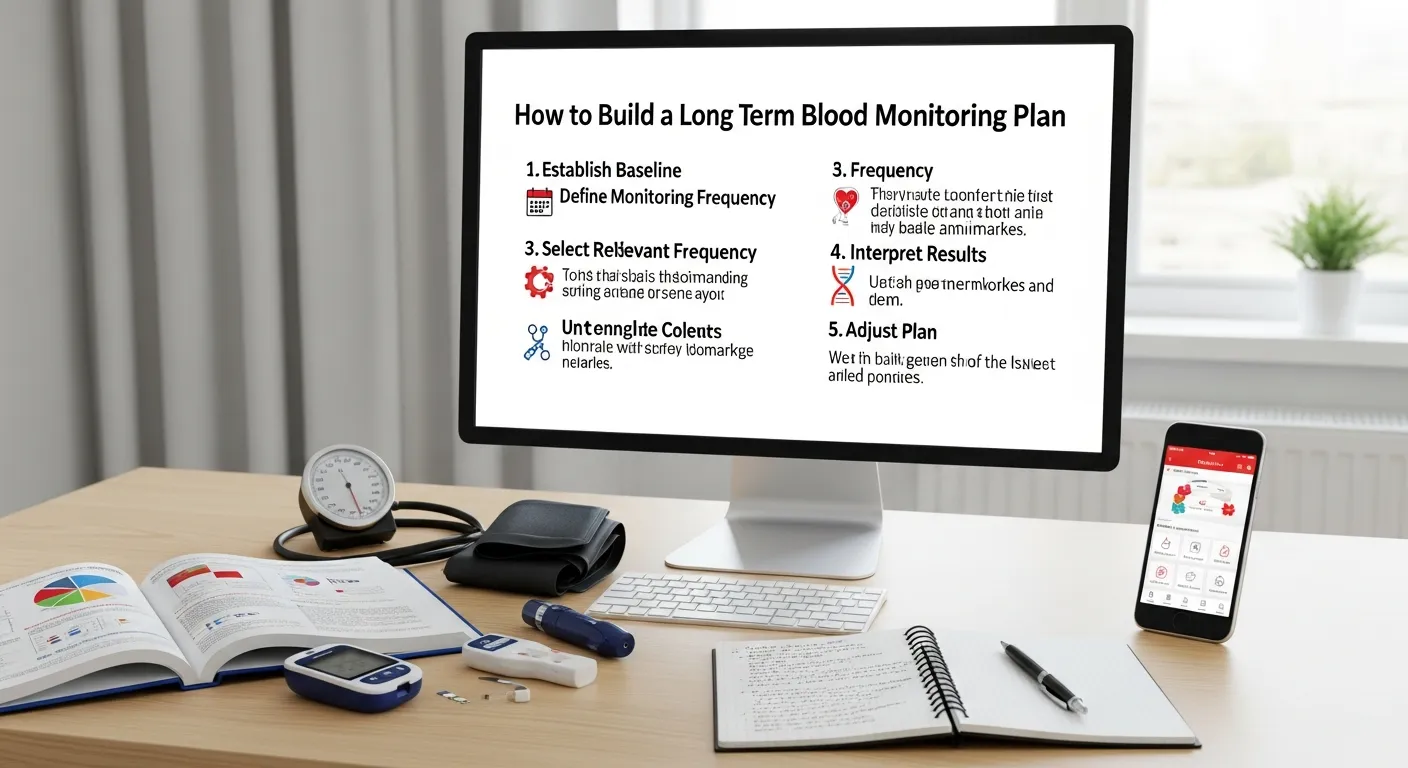
A blood monitoring plan is a structured schedule of blood tests used to track health conditions, detect abnormalities early, and guide treatment decisions. It is especially important for managing chronic diseases and ensuring long-term patient stability and safety.
A long term blood monitoring plan is a structured schedule of diagnostic tests designed to track specific health biomarkers over months or years. It helps patients and doctors detect diseases early, manage chronic conditions like thalassemia, and optimize treatments by continuously evaluating essential metrics like iron and hemoglobin levels.
Routine healthcare traditionally operates on a reactive model. You feel sick, you visit a clinic, and the doctor orders a blood test to figure out what went wrong. However, modern medicine shifts this approach toward proactive management. By implementing a long term blood monitoring plan, you gain the ability to track your health trends over extended periods. This continuous stream of data allows healthcare professionals to catch minor fluctuations before they escalate into severe medical events.
Consistent blood monitoring offers unparalleled insights into how your body changes as you age. It measures the direct impact of your diet, medication, and lifestyle habits on your internal organs. For individuals managing chronic illnesses, this strategy is practically mandatory. A single blood test only provides a snapshot of your health on a specific day. In contrast, a long term blood monitoring plan creates a detailed cinematic view of your overall wellness.
Developing this plan requires careful coordination between you and your healthcare team. You must determine exactly what to measure, how often to measure it, and what the results mean for your daily life. This comprehensive guide explores the essential elements of ongoing diagnostic tracking. You will learn how to design a personalized strategy that protects your vital organs and maximizes your long-term health span.
Why is a consistent long term blood monitoring plan essential?
 Your blood carries the chemical signatures of every major organ system in your body. Because of this, regular testing is the most effective way to evaluate your biological functions. When you track these chemical signatures consistently over time, you establish a baseline. Knowing your normal baseline makes it remarkably easy to identify when something goes wrong.
According to the Centers for Disease Control and Prevention [CDC, 2024], proactive health monitoring significantly reduces the risk of severe complications from chronic diseases. Without a long term blood monitoring plan, doctors have to guess if a high cholesterol reading is a new development or a lifelong genetic trait. With a documented history, they can make informed, highly specific medical decisions.
Many complex conditions require ongoing diagnostic surveillance. Patients with endocrine disorders, genetic blood diseases, and metabolic syndromes rely on scheduled testing to survive. A personalized approach ensures that the medical team does not waste time running irrelevant tests. Instead, they focus directly on the specific markers that dictate the patient’s quality of life.
Which components make up a comprehensive long term blood monitoring plan?
Creating a successful tracking strategy involves more than simply scheduling random doctor appointments. It requires a highly structured methodology tailored to your unique biological needs.
How do you identify specific biomarkers for monitoring?
Biomarkers are measurable substances in the blood that indicate the presence or severity of a disease. Identifying the correct biomarkers is the first step in building your long term blood monitoring plan. For a healthy adult, a standard lipid panel and a comprehensive metabolic panel usually suffice. These tests track baseline organ function, cholesterol, and blood sugar.
However, patients with chronic illnesses require targeted tracking. A person with a thyroid disorder will need to track TSH, T3, and T4 levels closely. Someone with kidney disease will focus on creatinine and blood urea nitrogen (BUN). Selecting the appropriate biomarkers prevents unnecessary medical expenses while guaranteeing that your doctor receives the precise data needed to guide your treatment.
What is the ideal frequency and scheduling of blood tests?
The timing of your tests depends entirely on the stability of your health condition. Healthy adults might only require blood work once a year during an annual physical. If you are actively adjusting a new medication dosage, your doctor might order tests every four to six weeks to monitor its effectiveness.
For chronic disease management, adherence to a strict schedule is a matter of life and death. Missing a scheduled blood draw can allow toxic substances to accumulate in the bloodstream unnoticed. Your long term blood monitoring plan must outline a clear calendar that aligns with your specific medical treatments.
How can you interpret blood test results effectively?
Having data is useless if you do not understand what it means. Effective interpretation requires looking at trends rather than isolated numbers. For instance, a single elevated liver enzyme reading might just indicate a temporary viral infection. A steady, month-over-month increase in that same enzyme suggests a chronic liver issue. Healthcare providers use your historical data to spot these subtle trajectories, adjusting your therapies long before physical symptoms appear.
Which technologies and tools enhance blood monitoring today?
The landscape of diagnostic medicine is evolving rapidly. Patients no longer have to rely exclusively on specialized clinical laboratories to track their essential health metrics.
How do wearable devices and at-home testing kits help?
The rise of at-home testing has democratized access to personal health data. Modern finger-prick kits allow patients to measure everything from vitamin D levels to food sensitivities from the comfort of their living rooms. For continuous tracking, wearable technology offers unprecedented convenience. Continuous Glucose Monitors (CGMs) use tiny subcutaneous sensors to relay blood sugar readings directly to a smartphone every few minutes. This immediate feedback helps patients adjust their diets in real-time, greatly enhancing the effectiveness of their long term blood monitoring plan.
Why use digital health platforms for data tracking?
Keeping track of physical lab reports is inefficient and prone to error. Digital health platforms and patient portals consolidate all your diagnostic data into a single, secure location. These applications often feature graphing tools that visually map your biomarker trends over time. Having all this information easily accessible on your phone empowers you to share your medical history seamlessly with different specialists, ensuring continuity of care.
What is the future of AI in blood monitoring?
Artificial intelligence is fundamentally changing how doctors analyze blood work. Machine learning algorithms can process vast amounts of historical lab data to predict future health events. For example, AI software can identify patterns in a patient’s long term blood monitoring plan that precede a cardiovascular event by several years. According to a report by the National Institutes of Health [NIH, 2025] (https://www.nih.gov/), predictive AI models are currently being trained to detect early-stage cancers through minor fluctuations in routine blood panels, promising a massive leap forward in preventative medicine.
How does a long term blood monitoring plan support specific conditions?
 Different diseases exert unique pressures on the human body. Consequently, a diagnostic plan must adapt to address the specific dangers posed by each individual illness.
What should patients with diabetes track?
Diabetes requires relentless daily management. A long term blood monitoring plan for a diabetic patient centers heavily on glycemic control. Tracking the Hemoglobin A1c (HbA1c) marker every three months reveals the average blood sugar level over that period. Because diabetes damages blood vessels, these patients must also closely monitor their lipid profiles and kidney function markers to prevent secondary complications like heart disease or renal failure.
How is cardiovascular disease monitored?
For cardiovascular disease, the primary threat comes from plaque buildup in the arteries. A robust long term blood monitoring plan will track LDL cholesterol, HDL cholesterol, and triglycerides. Doctors also frequently measure high-sensitivity C-reactive protein (hs-CRP). Elevated hs-CRP indicates systemic inflammation, which significantly increases the risk of a heart attack or stroke even if cholesterol levels appear normal.
What is required for anemia and blood disorders?
Genetic blood disorders and severe anemias demand incredibly rigorous diagnostic protocols. Conditions like thalassemia hinder the body’s ability to produce oxygen-carrying proteins, leading to profound fatigue and organ stress. Patients managing these conditions must frequently evaluate their internal mineral balance to avoid life-threatening complications.
To properly manage iron overload, which often results from frequent blood transfusions, patients must undergo specific diagnostics. You can learn more about this by reviewing this comprehensive iron level monitoring tests guide. Concurrently, tracking the primary oxygen-carrying protein is vital for adjusting transfusion schedules. Exploring advanced hemoglobin level tracking methods ensures patients maintain the energy necessary for daily life.
How do autoimmune diseases require inflammatory tracking?
Autoimmune diseases, such as lupus or rheumatoid arthritis, cause the immune system to attack healthy tissues. Managing these conditions involves a long term blood monitoring plan that tracks inflammatory markers like the erythrocyte sedimentation rate (ESR) and specific autoantibodies. Because immune-suppressing medications can lower white blood cell counts, regular complete blood counts (CBC) are mandatory to ensure the patient does not develop dangerous infections.
Why is cancer surveillance dependent on blood tests?
For cancer survivors, the fear of relapse is a constant burden. Scheduled blood tests look for specific tumor markers—proteins produced by cancer cells. Examples include PSA for prostate cancer or CA-125 for ovarian tissue tracking. Monitoring these markers over several years allows oncologists to detect a recurrence at a microscopic level, long before a tumor becomes visible on a traditional CT scan.
How do you build a personalized long term blood monitoring plan?
No two human bodies function exactly alike. Therefore, applying a generic, one-size-fits-all approach to diagnostic tracking rarely yields optimal results.
Why is collaboration with healthcare providers critical?
Your doctor provides the medical expertise necessary to translate raw data into actionable advice. Building a successful plan requires open communication. You must clearly explain your health goals, your family history, and any physical symptoms you experience daily. Together, you will select the right biomarkers and establish a realistic testing schedule that fits into your life without causing undue stress.
How do lifestyle factors influence blood test results?
Your daily habits directly alter your blood chemistry. Sleep deprivation, intense exercise, and dehydration can temporarily skew your lab results. A proper long term blood monitoring plan accounts for these variables. If you suddenly change your diet or start a new fitness regimen, you must inform your doctor. They can adjust your target ranges and ensure your results reflect true biological changes rather than temporary lifestyle disruptions. You can find general guidance on maintaining healthy lifestyle factors through the World Health Organization [WHO, 2024] (https://www.who.int/).
When should you adjust the plan based on evolving health needs?
A diagnostic plan is not a static document. As you age, your metabolism slows, your hormone levels shift, and your risk factors change. Your monitoring strategy must adapt accordingly. For example, a young patient with a genetic blood disorder will have different diagnostic needs than an older patient facing the same disease. Implementing a tailored personalized thalassemia care overview helps patients recalibrate their testing schedules as they transition through different stages of life.
What are the challenges in maintaining a long term blood monitoring plan?
Committing to years of scheduled blood draws is not easy. Patients frequently encounter logistical and psychological hurdles that threaten to derail their health strategies.
How do you maintain adherence to testing schedules?
Life gets busy, and it is incredibly easy to postpone a routine lab visit. Unfortunately, missing tests creates blind spots in your data history. Setting automated calendar reminders and utilizing digital health apps can help you stay on track. Booking your next appointment before you leave the clinic ensures that the scheduling process does not fall through the cracks of your daily routine.
What is the best way to manage anxiety related to results?
“Scanxiety” is a real phenomenon where patients experience intense fear while waiting for their test results. To manage this stress, it helps to focus on the long-term trends rather than panicking over a single abnormal number. Discussing your fears directly with your healthcare provider can also provide reassurance. They can explain the normal fluctuations of human biology and help put your data into proper clinical context.
How can you ensure data privacy and security?
Health data is highly sensitive information. As you compile years of diagnostic records on digital platforms, privacy becomes a valid concern. Always use secure, encrypted patient portals provided by verified healthcare institutions. Review the privacy policies of any third-party health tracking apps you download to ensure they do not sell your biometric data to outside advertisers.
Why does a long term blood monitoring plan require a holistic approach?
 Focusing exclusively on clinical data can sometimes cause you to lose sight of your overall well-being. A truly effective tracking strategy looks at the whole person, not just the chemical makeup of their blood.
How do you integrate blood monitoring with overall wellness strategies?
Your lab results should actively inform how you live your life. If your long term blood monitoring plan reveals a steady drop in vitamin B12, you should adjust your diet and seek more sunlight. If your inflammatory markers rise, you might need to incorporate stress-reduction techniques like meditation or yoga into your daily routine.
For complex chronic diseases, combining clinical testing with mental health support and nutritional guidance yields the best outcomes. Utilizing holistic thalassemia care plans demonstrates how treating the mind and the body simultaneously significantly improves a patient’s lifelong health span. Ultimately, the data generated by your blood tests is simply a tool. The true goal is using that tool to build a healthier, more vibrant life.
1. What exactly is a long term blood monitoring plan?
A long term blood monitoring plan is a structured, customized schedule for taking diagnostic blood tests over months or years. It helps patients and doctors track baseline health metrics, manage chronic diseases, and identify early warning signs of illness before physical symptoms develop.
2. How much does it cost to maintain a blood monitoring plan?
The cost varies widely based on your insurance coverage, the specific biomarkers being tested, and the frequency of the tests. Standard preventative panels are often fully covered by insurance annually, while specialized genetic or complex chronic disease panels may require out-of-pocket copays.
3. Are at-home blood testing kits reliable for long term tracking?
Yes, many modern at-home kits are highly reliable if they are processed by CLIA-certified laboratories. However, they should complement rather than entirely replace traditional venous blood draws performed by healthcare professionals, especially for managing serious medical conditions.
4. What should I do if a routine blood test shows an abnormal result?
Do not panic. A single abnormal result is often caused by temporary factors like dehydration, recent illness, or a heavy meal. Contact your healthcare provider to discuss the result; they will likely schedule a follow-up test to determine if the abnormality is a persistent issue or a temporary anomaly.
5. How do I start building a blood monitoring plan if I am generally healthy?
Schedule an annual physical with your primary care physician and ask for a comprehensive baseline blood panel. Discuss your family medical history and any personal health goals. From there, your doctor will advise you on which specific markers you should monitor on a yearly basis to maintain optimal health.
6. What tests are usually included in a blood monitoring plan?
A blood monitoring plan often includes a Complete Blood Count (CBC), liver function tests, kidney function tests, lipid profile, blood sugar levels, and any condition-specific biomarkers recommended by a doctor.
7. How often should blood tests be done in a monitoring plan?
Frequency depends on health condition and risk level. Healthy individuals may test annually, while patients with chronic diseases may require testing every few weeks or months.
8. Who needs a long-term blood monitoring plan?
People with chronic illnesses like diabetes, anemia, kidney disease, or cardiovascular conditions, as well as those on long-term medication, benefit most from regular blood monitoring.
9. Can lifestyle changes affect blood test results?
Yes. Diet, exercise, hydration, stress levels, and sleep can all influence blood test results, which is why consistent monitoring conditions are important for accurate tracking.
10. What happens if I skip my blood monitoring schedule?
Skipping tests may delay detection of worsening conditions or complications, making it harder to manage health issues effectively and potentially leading to more serious outcomes.