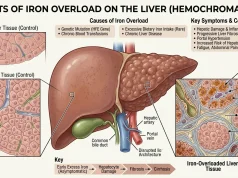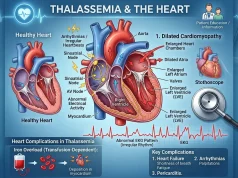
Heart Problems in Thalassemia occur mainly due to iron overload and chronic anemia, leading to cardiac complications. Early diagnosis, regular monitoring, and proper treatment are essential to protect heart health and improve quality of life in thalassemia patients.
Iron toxicity and anemia do not act alone. Chronic inflammation and oxidative stress are persistent features of the disease, silently accelerating cardiovascular aging and tissue damage.
Additionally, endocrine dysfunction frequently complicates the picture. Iron overload frequently damages glands like the thyroid, parathyroid, and pancreas. Conditions like diabetes and hypothyroidism—common thalassemia complications in adults—add multiple layers of cardiovascular risk. Poor blood sugar control and disrupted metabolism place even more strain on already vulnerable blood vessels and heart tissues.
Specific Heart Problems in Thalassemia Patients
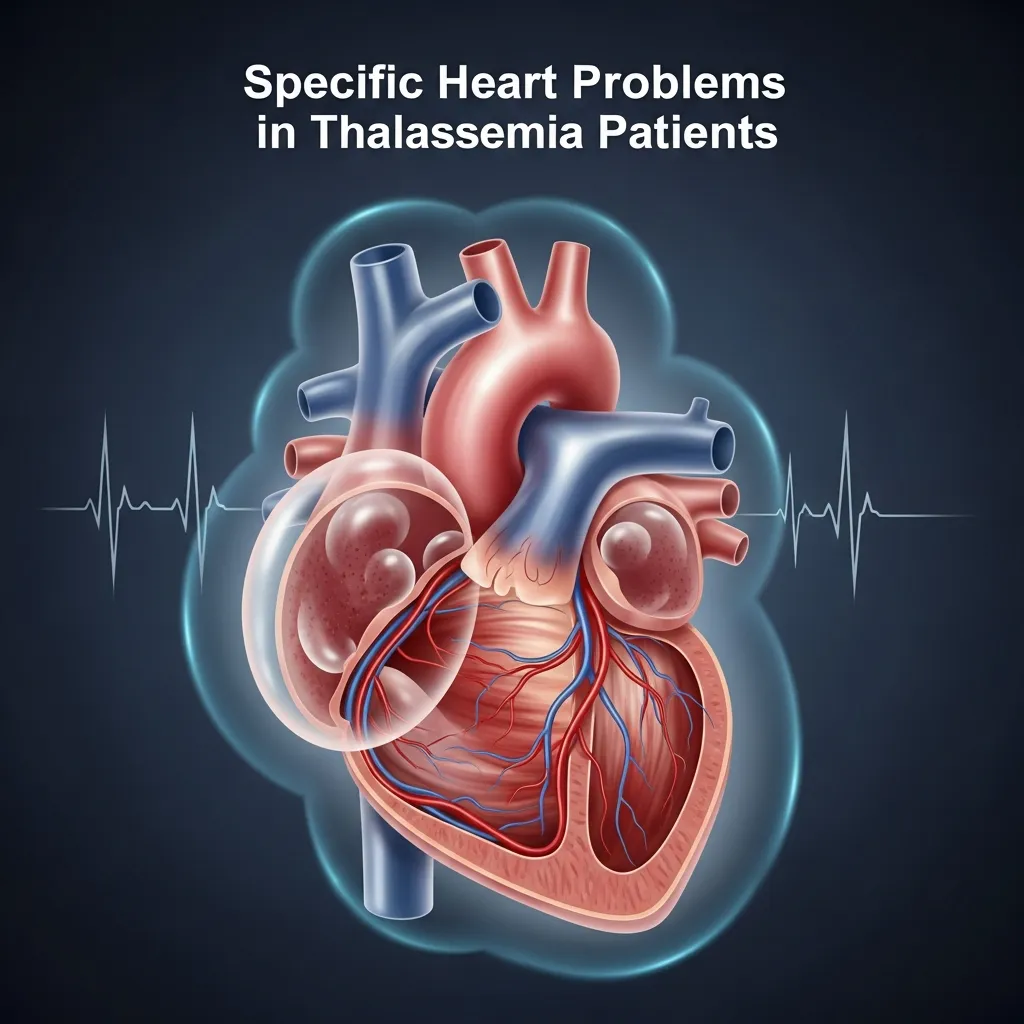 Heart Problems in Thalassemia can lead to several serious and life-threatening cardiac conditions. The constant stress from iron overload and chronic anemia affects both the structure and function of the heart. Monitoring these complications early is a key part of modern thalassemia care.
Cardiomyopathy in Heart Problems in Thalassemia
Cardiomyopathy refers to diseases of the heart muscle that reduce its ability to pump blood effectively. In Heart Problems in Thalassemia, this condition is mainly caused by iron accumulation in cardiac tissues.
Dilated Cardiomyopathy:
This is the most common form seen in Heart Problems in Thalassemia. The left ventricle becomes enlarged and weakened, reducing pumping strength. Over time, the heart muscle thins out, leading to symptoms such as severe fatigue, shortness of breath, and swelling in the legs and lungs due to fluid buildup.
Restrictive Cardiomyopathy:
A less common but more severe form occurs when iron toxicity makes the heart muscle stiff and less flexible. The heart cannot relax properly between beats, so it fails to fill with enough blood. This leads to increased pressure inside the heart chambers and can progress to rapid heart failure in advanced cases of Heart Problems in Thalassemia.
Arrhythmias and Heart Problems in Thalassemia
Iron deposits can interfere with the heart’s electrical system, leading to arrhythmias or irregular heart rhythms. These electrical disturbances are a major concern in Heart Problems in Thalassemia.
Patients may experience palpitations, rapid heartbeat, dizziness, or skipped beats. Conditions like atrial fibrillation affect the upper chambers of the heart, reducing pumping efficiency. More severe arrhythmias in the lower chambers can increase the risk of sudden cardiac arrest. Early detection through ECG monitoring and proper treatment is essential to reduce risks associated with Heart Problems in Thalassemia.
Pericardial Disease in Heart Problems in Thalassemia
The pericardium is the protective sac around the heart. In some patients, inflammation of this sac (pericarditis) can occur due to chronic illness, anemia, or iron overload linked with Heart Problems in Thalassemia.
Pericarditis may cause sharp chest pain that worsens with deep breathing or lying down. In more severe cases, fluid can build up around the heart, known as pericardial effusion. If the fluid pressure becomes too high, it restricts heart movement and may require emergency drainage to prevent complications.
Pulmonary Hypertension in Heart Problems in Thalassemia
Pulmonary hypertension is a condition where blood pressure in the lung arteries becomes dangerously high. It is more common in patients with a history of spleen removal or inadequate transfusion therapy in Heart Problems in Thalassemia.
Repeated breakdown of abnormal red blood cells releases substances that narrow and stiffen lung blood vessels. As a result, the right side of the heart must work harder to pump blood into the lungs. Over time, this extra strain causes enlargement and failure of the right ventricle, a condition known as cor pulmonale.
Long-Term Impact of Heart Problems in Thalassemia
If not properly managed, these cardiac complications can significantly reduce heart function and overall quality of life. Regular monitoring, iron control therapy, and early treatment play a crucial role in preventing severe outcomes. With modern medical care, many Heart Problems in Thalassemia can be detected early and managed effectively to improve long-term survival.
Diagnosis and Monitoring of Cardiac Complications
Because heart damage can progress silently for years before symptoms appear, waiting for patients to feel sick is not a viable strategy. Proactive, routine cardiac screening saves lives.
Importance of Regular Cardiac Screening
Early detection is the single most important factor in preventing irreversible heart failure. When doctors identify iron accumulation or early signs of muscle strain before major structural changes occur, they can intensify treatments to reverse the damage. Regular screening protocols form the backbone of modern clinical guidelines for blood disorder management.
Diagnostic Tools
To assess the exact status of a patient’s cardiovascular health, cardiologists rely on a battery of sophisticated diagnostic tests. If you are preparing for your annual review, reviewing a thalassemia test guide can help you understand what to expect.
- Echocardiography: This ultrasound of the heart provides a detailed, moving picture of the organ’s structure. Doctors use it to measure chamber size, assess valve function, and determine the ejection fraction (the percentage of blood pumped out with each beat).
- MRI T2* (Magnetic Resonance Imaging): This revolutionary scan changed the landscape of patient survival. The T2* MRI accurately quantifies the exact concentration of iron loaded directly into the heart muscle. It detects toxic buildup long before an echocardiogram shows muscle failure.
- Electrocardiogram (ECG): An ECG records the electrical signals traveling through the heart. It is the primary tool for detecting arrhythmias and other electrical abnormalities caused by iron deposits.
- Blood Tests: Routine lab work tracks serum ferritin levels (a marker of total body iron), liver function, and blood sugar.
- Biomarkers: Specialized blood tests measure proteins like BNP (Brain Natriuretic Peptide) and troponin. Elevated levels of these markers indicate active cardiac stress or ongoing muscle damage, prompting immediate intervention.
Management and Treatment Strategies
 Addressing heart problems in thalassemia requires a multi-pronged approach. Doctors must balance the need for oxygen with the dangers of iron toxicity, while simultaneously treating any existing cardiac symptoms.
Iron Chelation Therapy
Iron chelation is the absolute cornerstone of preventing and reversing iron-induced cardiac damage. Chelating agents are medications that bind to free iron molecules in the blood and organs, allowing the body to excrete them safely through urine or stool.
Depending on the severity of the iron overload and the patient’s specific needs, doctors may prescribe oral medications like deferasirox or deferiprone, or continuous subcutaneous infusions like deferoxamine. Strict, daily adherence to chelation therapy is the most effective way to clear iron from the heart and prevent cardiomyopathy.
Blood Transfusion Regimens
Maintaining an optimal transfusion schedule is a delicate balancing act. Doctors must provide enough healthy red blood cells to suppress the bone marrow’s abnormal activity and relieve the heart’s workload. However, they must avoid over-transfusing, which rapidly accelerates dangerous iron accumulation. Customized, patient-specific transfusion protocols are essential for minimizing cardiovascular strain.
Medications for Cardiac Symptoms
If a patient develops clinical heart failure or arrhythmias, standard cardiac medications are deployed alongside chelation therapy.
- Diuretics help the kidneys remove excess fluid from the body, relieving pressure on the heart and lungs.
- ACE inhibitors and beta-blockers relax blood vessels and slow the heart rate, reducing the physical workload on the damaged muscle.
- Anti-arrhythmic drugs help stabilize the heart’s electrical signals.
Lifestyle Modifications and Supportive Care
Medical treatments work best when supported by a healthy lifestyle. Patients are encouraged to maintain a balanced diet rich in calcium and vitamin D for bone health, while actively avoiding iron-fortified foods and supplements. Moderate, doctor-approved exercise helps maintain cardiovascular fitness without pushing the heart to dangerous limits.
Furthermore, navigating a chronic illness takes a heavy psychological toll. Access to mental health counseling and robust support networks helps patients maintain the resilience needed to adhere to strict treatment regimens.
Advanced Therapies and Future Directions
The future of advanced thalassemia care is shifting rapidly from managing symptoms to seeking actual cures.
Gene Therapy and Stem Cell Transplantation
Hematopoietic stem cell transplantation remains the only established cure. By replacing defective bone marrow with healthy cells from a matched donor, patients can produce normal red blood cells and eliminate the need for transfusions.
Even more exciting is the rise of gene therapy. Scientists can now extract a patient’s own stem cells, correct the faulty hemoglobin genes in a laboratory using CRISPR technology, and reinfuse them. This approach eliminates the risk of immune rejection and offers immense hope for a transfusion-free future. You can explore the National Institutes of Health (NIH) for recent updates on gene editing clinical trials.
Novel Iron Chelators and Cardioprotective Agents
Pharmaceutical research continues to yield newer, more easily tolerated iron chelators. Scientists are also investigating cardioprotective agents that specifically shield heart cells from oxidative stress, buying patients more time while chelation clears the iron buildup.
Integrated Care Approaches
Modern treatment models rely heavily on multidisciplinary teams. Hematologists, cardiologists, endocrinologists, and specialized nurses collaborate to provide comprehensive, integrated management. This team-based approach ensures that treating one complication does not inadvertently worsen another.
Living with Thalassemia and Protecting Your Heart
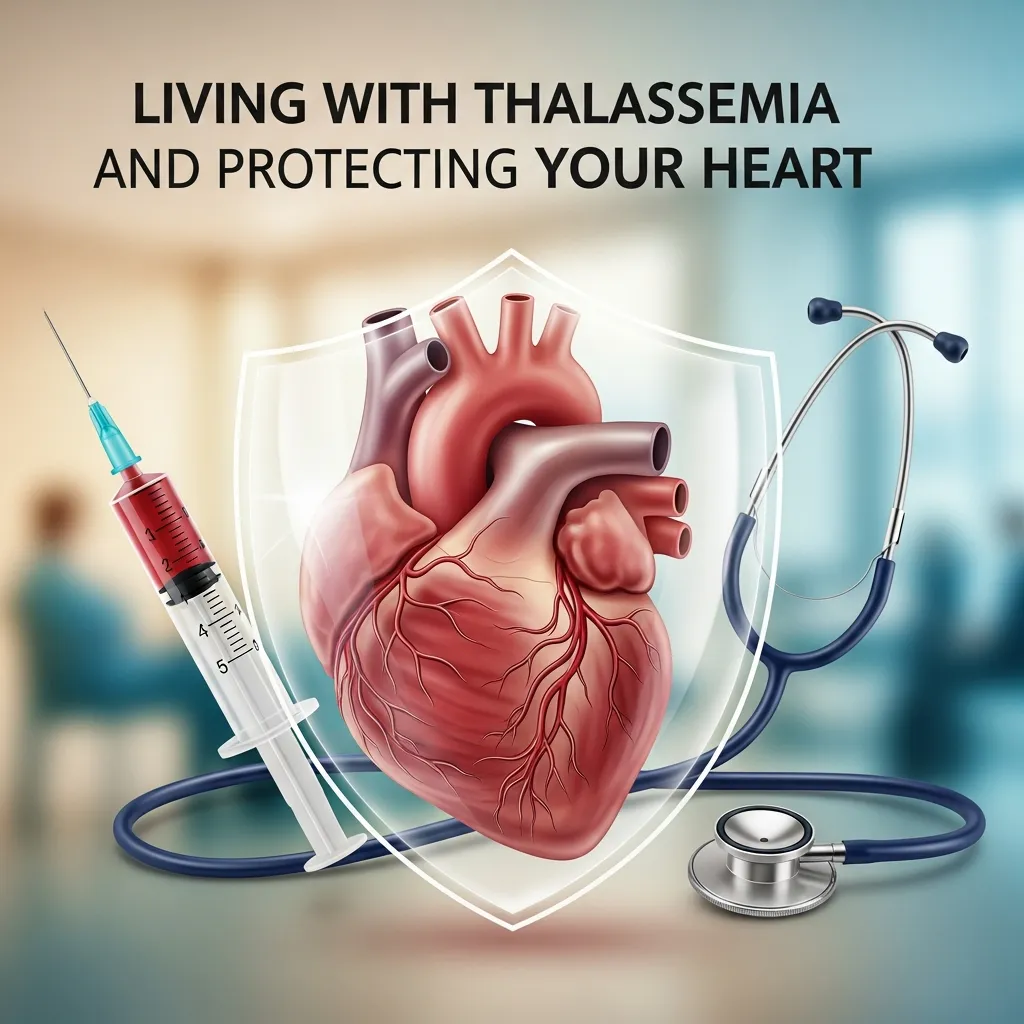 Successfully managing a genetic blood disorder requires immense personal dedication. Patient empowerment and education are critical components of a long, healthy life. By understanding the mechanisms of the disease and the rationale behind complex treatments, patients are better equipped to advocate for their own health.
Consistent adherence to chelation therapy and regular attendance at medical appointments are non-negotiable. Skipping treatments directly increases the risk of silent cardiac damage. Taking a proactive approach to heart health—by reporting new symptoms like unusual fatigue, shortness of breath, or a racing pulse immediately—allows medical teams to intervene before a crisis occurs.
Conclusion
Cardiac complications remain a formidable challenge for individuals living with this complex blood disorder. The dual threats of chronic anemia and severe iron toxicity create an environment where the heart is constantly under siege.
However, the medical landscape has never been brighter. The widespread use of MRI T2* scanning for early iron detection, combined with highly effective oral chelation therapies, has drastically reduced the incidence of fatal heart failure. Furthermore, the horizon is filled with the promise of gene therapies that may soon render these cardiac complications a thing of the past. Through continued medical advocacy, strict treatment adherence, and proactive monitoring, patients can protect their hearts and look forward to vibrant, healthy futures.