Thalassemia is a complex genetic blood disorder that affects how the body produces hemoglobin. For decades, the medical community treated this condition with a highly standardized protocol. Patients received routine blood transfusions and basic iron chelation therapy, regardless of their unique genetic makeup, daily routines, or specific health goals. While this conventional approach saved lives, it often left individuals struggling with severe side effects and unmet physical or emotional needs.
Recognizing the limitations of a one-size-fits-all methodology, healthcare providers are actively shifting toward a more customized framework. Personalized Thalassemia Care focuses on the individual rather than just the disease. Personalized thalassemia care considers specific genetic mutations, lifestyle factors, and personal objectives to create a highly tailored and dynamic treatment plan.
By adopting a customized approach, patients and doctors can collaborate closely to minimize complications and improve daily well-being. This comprehensive guide to personalized thalassemia care explores the essential pillars of individualized management, the role of modern technology, and how you can take an active, empowered role in your own health journey.
Understanding Thalassemia: A Quick Overview
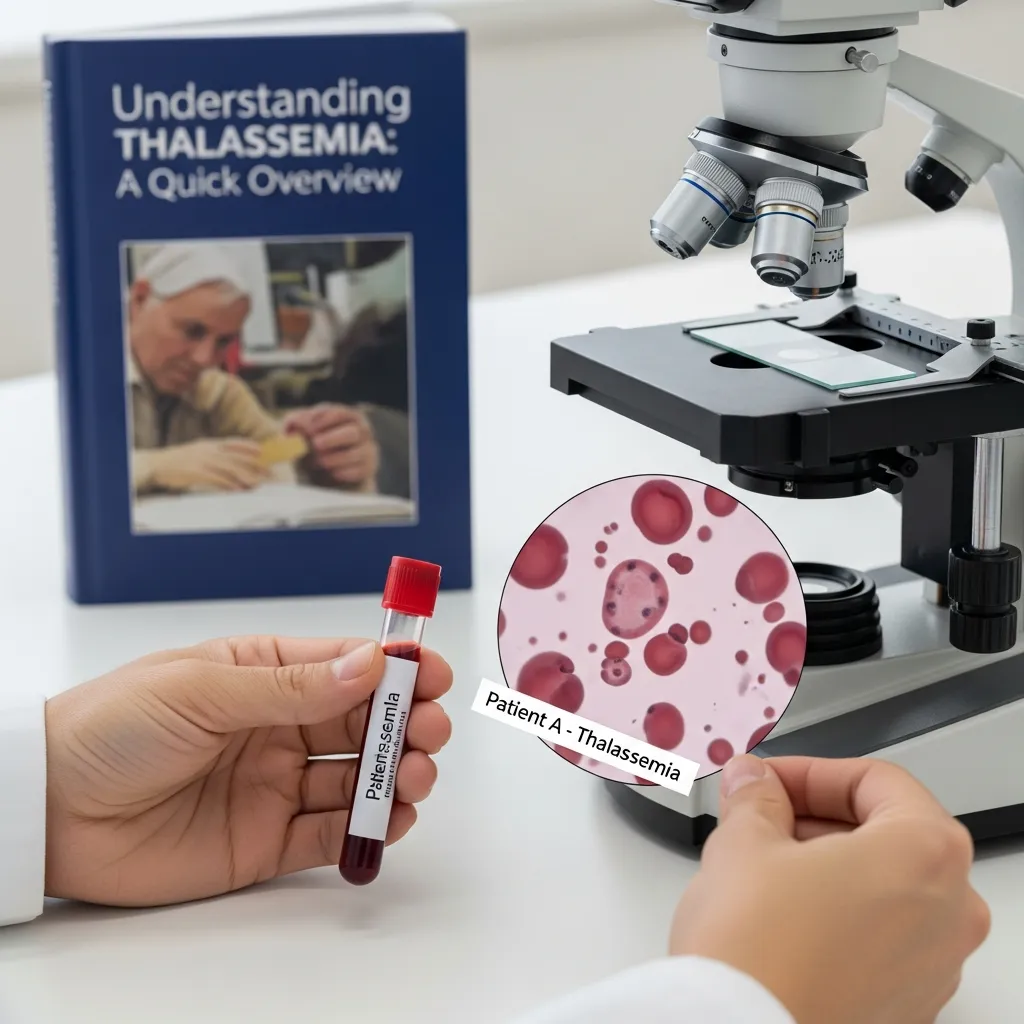 Before exploring personalized treatment strategies, establishing a foundational understanding of the condition is essential. Thalassemia occurs when genetic mutations disrupt the production of alpha or beta globin chains, which are the building blocks of hemoglobin. This disruption impairs the red blood cells’ ability to carry oxygen efficiently throughout the body.
Different Types of Thalassemia
The condition is broadly categorized into two main types based on which globin chain is affected:
Alpha Thalassemia: This occurs when one or more of the four alpha-globin genes are missing or mutated. The severity depends on the number of affected genes, ranging from silent carriers with no symptoms to those with severe anemia.
Beta Thalassemia: This type involves mutations in the two beta-globin genes. It is typically classified into thalassemia minor (trait), thalassemia intermedia, and thalassemia major, with the latter requiring lifelong, regular blood transfusions for survival.
Common Symptoms and Challenges
Because the body struggles to maintain adequate oxygen levels, patients frequently experience chronic fatigue, weakness, and pale or yellowish skin. The bone marrow often works overtime to produce more red blood cells, which can cause bones to expand and become fragile. This expansion may lead to noticeable changes in facial bone structure and a heightened risk of fractures. Furthermore, an overworked spleen can become enlarged as it attempts to filter out the abnormally shaped red blood cells. These symptoms highlight why a more tailored approach like personalized thalassemia care is increasingly important in modern treatment planning.
Importance of Early Diagnosis and Ongoing Management
Detecting the condition early prevents irreversible complications. Early diagnosis allows healthcare providers to implement a management plan before chronic anemia severely impacts a child’s growth and development. Ongoing management is equally crucial, as the disease requires continuous monitoring to prevent the cascading effects of chronic oxygen deprivation and the secondary complications caused by treatment therapies.
In modern healthcare, personalized thalassemia care plays a vital role in improving patient outcomes by aligning treatment strategies with each patient’s genetic profile, symptom severity, and lifestyle needs. This approach ensures more effective long-term disease management and improved quality of life.
The Pillars of Personalized Thalassemia Care
A successful customized treatment plan relies on several core pillars. These components work together to address the unique medical, nutritional, and psychological needs of the patient.
Genetic Profiling and Diagnosis
Accurate genetic profiling is the starting point for individualized care. Doctors no longer rely solely on a basic complete blood count (CBC) to guide treatment. Instead, they use advanced diagnostics to understand the disease at a molecular level, which is a key part of personalized thalassemia care.
Genetic testing identifies the exact mutations responsible for the disorder. This information helps hematologists predict disease severity and tailor interventions accordingly. For instance, knowing whether a patient has a beta-zero or beta-plus mutation provides crucial insight into their residual beta chain production. Modern diagnostic tools, such as High-Performance Liquid Chromatography (HPLC) and multiplex gap-PCR assays, provide a clear breakdown of hemoglobin variants, further strengthening personalized thalassemia care strategies.
If you are navigating the diagnostic process, reviewing a thalassemia test complete guide can help you understand the specific laboratory screening methods available and how to interpret your results.
Nutritional Guidance and Lifestyle Adjustments
Nutrition serves as a vital component of supportive care. Dietitians specializing in blood disorders help patients build balanced meal plans that support erythropoiesis without worsening iron accumulation.
Key dietary recommendations often include limiting the intake of iron-fortified cereals and red meat. Patients are also advised to avoid consuming high amounts of vitamin C alongside iron-rich meals, as vitamin C significantly increases iron absorption in the intestines. Conversely, drinking black tea or coffee with meals can help inhibit the absorption of dietary iron.
Physical activity is highly encouraged, but regimens are customized to the patient’s energy levels and bone density scores. A personalized approach ensures cardiovascular fitness is maintained while protecting fragile bones from high-impact injuries.
Psychological and Emotional Support
Living with a chronic, life-threatening illness carries a heavy psychological burden. Frequent hospital visits, daily medication schedules, and the underlying anxiety of potential complications can severely impact mental health.
Comprehensive care must address these emotional aspects. Psychologists and social workers provide coping strategies to help patients manage treatment fatigue and depression. Support groups play an equally important role, offering a space where individuals can connect with peers who truly understand their daily struggles. Addressing mental health directly fosters resilience and improves a patient’s ability to adhere to complex medical routines.
Regular Monitoring and Proactive Management
To keep a personalized plan effective, continuous observation is necessary. Doctors rely on scheduled MRI T2* scans to monitor iron levels in the heart and liver, alongside routine blood tests checking liver enzymes and hormone levels.
Patients also have a responsibility to track their health between clinical visits. Keeping a daily log of energy levels, medication adherence, and subtle physical changes provides healthcare providers with a clear picture of how the body responds to treatment. Learning exactly how to monitor thalassemia at home empowers you to catch minor issues, such as sudden drops in stamina or the onset of an irregular heartbeat, before they escalate into medical emergencies.
The Role of Technology in Advancing Personalized Thalassemia Care
 Modern technology is rapidly reshaping how patients and doctors approach chronic disease management. These advancements make continuous monitoring and specialized care highly accessible.
Digital health tools and wearable devices are excellent assets for thalassemia patients. Smartwatches can continuously monitor resting heart rates, track sleep patterns, and estimate blood oxygen saturation. Pairing these devices with smartphone health apps allows patients to consolidate their health data into clear, readable charts. Sharing this digital summary during appointments gives hematologists a highly accurate view of a patient’s overall stability.
Telemedicine has also broken down geographical barriers to specialized care. Patients living in rural areas can consult with top hematology experts without the physical strain of long-distance travel. Remote consultations facilitate timely dose adjustments for chelation therapy and provide immediate guidance when minor side effects occur.
On a broader scale, emerging genetic therapies offer unprecedented hope for long-term health. Researchers are heavily invested in CRISPR-Cas9 gene editing and lentiviral vector technologies aimed at correcting defective globin genes. To track these breakthroughs and understand how they might eventually integrate into your care plan, you can review the latest clinical trial data and research updates through organizations like the National Institutes of Health (NIH).
Empowering Patients: Taking an Active Role in Your Care
The most effective Personalized Thalassemia Care plans require active participation from the patient. You are the leading expert on how your body feels, and your voice matters in every medical decision.
Educating yourself about your specific genetic mutation and its associated risks builds confidence. When you understand the mechanics of iron overload or the reasons behind a specific medication dosage, you can navigate your daily routines with greater safety and awareness.
Effective communication with your healthcare team is another crucial step. Bring your symptom journals, home monitoring logs, and a list of prepared questions to every appointment. If a particular chelating agent is causing severe gastrointestinal discomfort, speak up. Your doctor needs honest feedback to adjust your regimen.
Advocate for your needs and preferences. If an oral medication aligns better with your work schedule than an infusion pump, discuss this transition with your hematologist. Taking ownership of your health decisions translates directly into a more sustainable and successful long-term care strategy.
The Future of Thalassemia Care: A Personalized Approach
The landscape of hematology is shifting rapidly, moving away from symptom management and toward highly individualized, curative therapies. Advancements in research continue to refine how doctors measure iron toxicity, predict complications, and map genetic variations.
The growing emphasis on patient-centered care ensures that quality of life is given the same priority as clinical survival. Medical institutions and global advocacy groups are pushing for healthcare systems that support the holistic needs of the patient, including educational accommodations and vocational support. For comprehensive resources, global guidelines, and community advocacy networks, you can explore the initiatives led by the Thalassemia International Federation (TIF).
As gene therapies transition from clinical trials to standard practice, the definition of personalized care will expand even further. Patients may soon have access to treatments that repair their specific genetic mutations, significantly reducing or entirely eliminating the need for lifelong blood transfusions.
A New Era of Health and Well-being
 Personalized Thalassemia Care represents a major leap forward in managing chronic genetic blood disorders. By combining precise diagnostic profiling, adaptable treatment schedules, and comprehensive lifestyle support, healthcare providers can protect vital organs and vastly improve daily energy levels.
Patients and caregivers must remain proactive to reap the full benefits of this modern approach. Educate yourself on your specific diagnosis, leverage digital health tools for home monitoring, and build a collaborative relationship with your medical team.
By demanding individualized attention and actively participating in your treatment decisions, you can transform the challenges of thalassemia into a manageable part of a long, fulfilling life. Take the first step today by reviewing your current care plan with your hematologist to ensure it truly aligns with your personal health goals.
Conclusion
Personalized thalassemia care represents a major shift in how this genetic blood disorder is managed. Instead of relying on standard treatments, it focuses on each patient’s unique genetic makeup, lifestyle, and medical needs. This approach helps reduce complications, improve treatment effectiveness, and enhance overall quality of life. As medical technology continues to advance, personalized thalassemia care is expected to become the global standard, offering patients more precise, safe, and effective long-term management solutions.