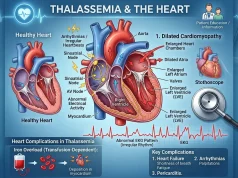
Thalassemia is a lifelong genetic blood disorder that requires continuous monitoring and proper thalassemia care to manage symptoms and prevent complications.
Modern treatments such as blood transfusions, iron chelation therapy, and advanced medical options greatly improve patient survival and quality of life. These therapies are essential parts of effective thalassemia care.
With strong thalassemia awareness, early diagnosis, and consistent thalassemia care, patients can receive timely treatment and live healthier, more stable, and more fulfilling lives.
Precision Diagnostics and Genetic Profiling
Molecular Techniques for Exact Genotyping
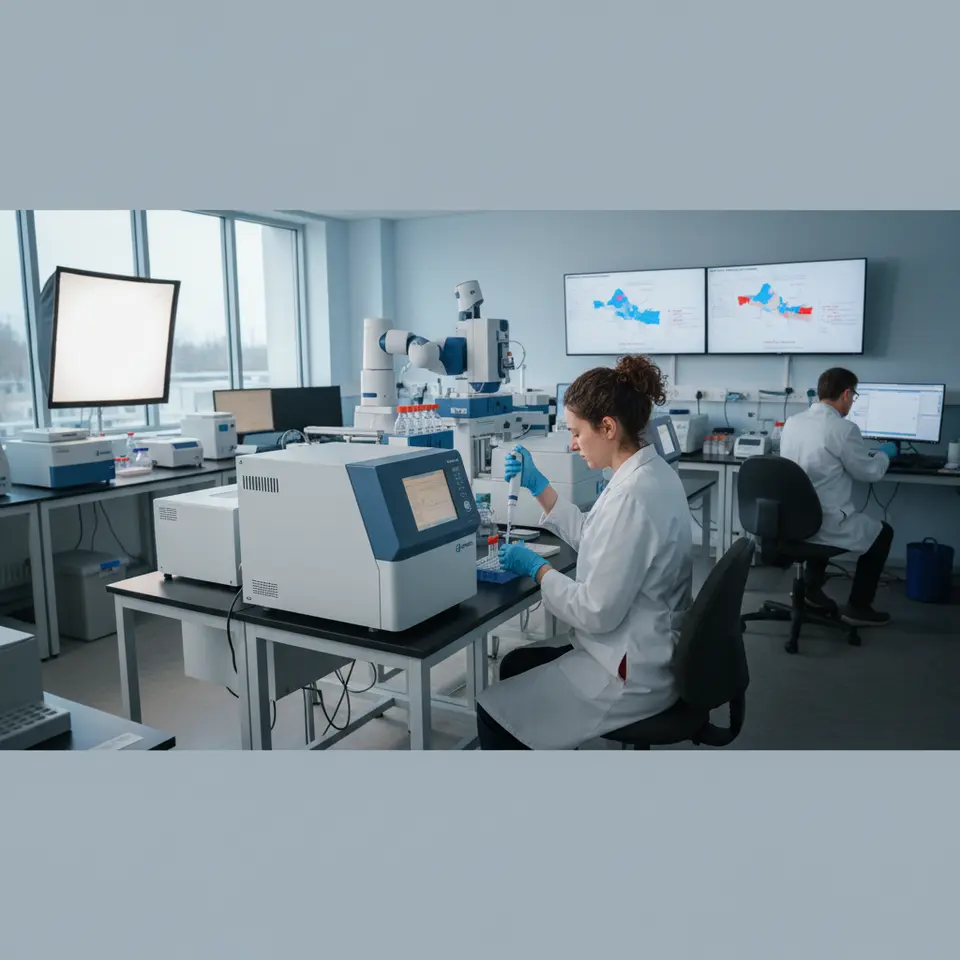
Accurate classification of thalassemia subtypes underpins effective management this year (2026). Advanced molecular methods permit detailed mapping of globin gene mutations and deletions, facilitating risk stratification and personalized care. Next-generation sequencing (NGS) platforms capture rare and novel variants, while multiplex ligation-dependent probe amplification (MLPA) quantifies large genomic rearrangements. These technologies, currently accessible in specialized laboratories, provide comprehensive genetic insight beyond conventional hematologic tests. Early and precise genotyping informs prognosis, guides prenatal decision making, and shapes long-term monitoring strategies. Incorporating these tools into routine practice aligns with recommendations from leading authorities such as the National Institutes of Health (NIH Genetics Home Reference).
Noninvasive Prenatal Testing and Carrier Screening
In today’s digital landscape, noninvasive prenatal testing (NIPT) has emerged as a critical component of early thalassemia prevention. Cell-free fetal DNA analysis from maternal plasma offers a risk-free alternative to invasive sampling, enabling detection of common beta-thalassemia mutations as early as the first trimester. Coupled with cascade carrier screening programs in high-incidence regions, NIPT supports informed reproductive choices. School-based and premarital genetic screening initiatives further contribute to public health efforts by identifying carriers and reducing disease occurrence through education and counseling.
Hematologic and Biochemical Markers
While molecular profiling informs genetic risk, traditional hematologic assays remain foundational. Complete blood count (CBC) parameters, such as mean corpuscular volume (MCV) and red cell distribution width (RDW), raise suspicion for thalassemia trait in individuals with microcytic anemia. Hemoglobin electrophoresis and high-performance liquid chromatography (HPLC) delineate hemoglobin fractions—A, A2, F, and variant forms—guiding subtype assignment. Ferritin measurement helps differentiate iron-deficiency anemia from thalassemia trait, avoiding unwarranted iron supplementation and accelerating referral for genetic workup. This multimodal diagnostic framework exemplifies advanced strategies for comprehensive thalassemia care, emphasizing both state-of-the-art molecular tools and classical laboratory markers.
Imaging for Organ Assessment
Complementary imaging studies assess the extent of organ involvement secondary to chronic hemolysis and iron overload. Magnetic resonance imaging (MRI) with T2* mapping quantifies cardiac and hepatic iron deposition, directing chelation adjustments to prevent cardiomyopathy and cirrhosis. Ultrasound evaluation of the liver and spleen identifies hepatosplenomegaly resulting from extramedullary hematopoiesis. Integrating genetic, hematologic, and imaging data establishes a robust diagnostic platform, enabling early intervention and tailored management plans that reflect cutting-edge practice standards.
Integration into Electronic Health Records
Embedding genetic and imaging reports within electronic health record (EHR) systems streamlines communication among multidisciplinary teams. Automated alerts for abnormal results, standardized data fields for mutation types, and decision support modules help clinicians adhere to guidelines and adjust care pathways promptly. This interoperability enhances coordination between hematology specialists, primary care providers, and allied health professionals, ensuring that each patient benefits from timely, informed interventions across care settings.
Genetic Counseling and Ethical Aspects
Genetic counseling remains a cornerstone of responsible thalassemia care. Trained counselors translate complex molecular findings into patient-friendly language, outline inheritance patterns, and discuss reproductive options, including preimplantation genetic diagnosis. Ethical considerations, such as informed consent, confidentiality, and cultural sensitivity, are integral to the counseling process. By addressing psychosocial implications and respecting individual values, counseling sessions empower families to make decisions aligned with personal beliefs and medical realities.
Personalized Transfusion and Chelation Protocols
Tailoring Transfusion Regimens
Blood transfusion remains a mainstay for patients with transfusion-dependent thalassemia, requiring individualized schedules to maintain pretransfusion hemoglobin levels of 9–10.5 g/dL. Advanced strategies for comprehensive thalassemia care advocate for dynamic adjustment of transfusion frequency based on symptomatic thresholds, growth parameters in pediatric cases, and iron accumulation rates. In today’s clinical environment, extended antigen matching for Rh, Kell, and Duffy systems reduces alloimmunization and hemolytic reactions. Leukocyte-reduced red cell units further minimize febrile nonhemolytic transfusion reactions and decrease risks of viral transmission. Telehealth-enabled monitoring of symptoms and remote hemoglobin checks empower patients to report deviations promptly, facilitating timely regimen modifications.
Monitoring and Managing Iron Overload
Chronic transfusions lead to excess iron deposition in vital organs, necessitating effective chelation strategies. Serum ferritin trends offer an accessible surrogate marker for total body iron but must be interpreted alongside MRI T2* data to account for inflammatory influences. Current chelators include deferoxamine (subcutaneous infusion), deferasirox (oral), and deferiprone (oral), each with unique pharmacokinetics. Selection of chelation agent takes into account patient age, comorbidities, lifestyle preferences, and adherence potential. Combination therapy, such as deferiprone with deferoxamine, can accelerate iron removal in individuals with heavy overload, reflecting the advanced strategies for comprehensive thalassemia care in practice.
Adherence Support and Side Effect Management
Adherence to chelation regimens is pivotal to preventing end-organ damage. Digital tools—medication reminder apps, telemonitoring systems, and electronic diaries—support consistent chelator use. Regular assessments for renal and hepatic function detect potential toxicity early. Nutritional guidance reduces gastrointestinal side effects associated with oral chelators, while infusion site care protocols improve tolerability of deferoxamine. Multidisciplinary teams, including pharmacists and nurses, educate patients on adverse effect recognition and empower them to engage actively in their treatment plans.
Emerging Transfusion Adjuncts
Hydroxyurea, a ribonucleotide reductase inhibitor, induces fetal hemoglobin (HbF) production and has shown promise in nontransfusion-dependent thalassemia. By elevating baseline hemoglobin, hydroxyurea can decrease transfusion frequency and improve life quality. Close monitoring for cytopenias and periodic dose titration optimize benefits while minimizing risks. Erythropoiesis-stimulating agents (ESAs) represent another adjunct, particularly in patients with inadequate endogenous erythropoietic drive. These pharmacologic adjuncts exemplify the ongoing innovation within advanced strategies for comprehensive thalassemia care.
Splenectomy Considerations
Surgical removal of the spleen may be indicated for hypersplenism or refractory transfusion requirements. Partial splenectomy can balance hematologic improvement with preservation of splenic immune function. Preoperative vaccination against encapsulated organisms, coupled with long-term antibiotic prophylaxis, mitigates risks of overwhelming post-splenectomy infection. Individualized risk assessment and careful patient selection are essential components of this complex decision-making process.
Innovations in Curative Therapies
Hematopoietic Stem Cell Transplantation
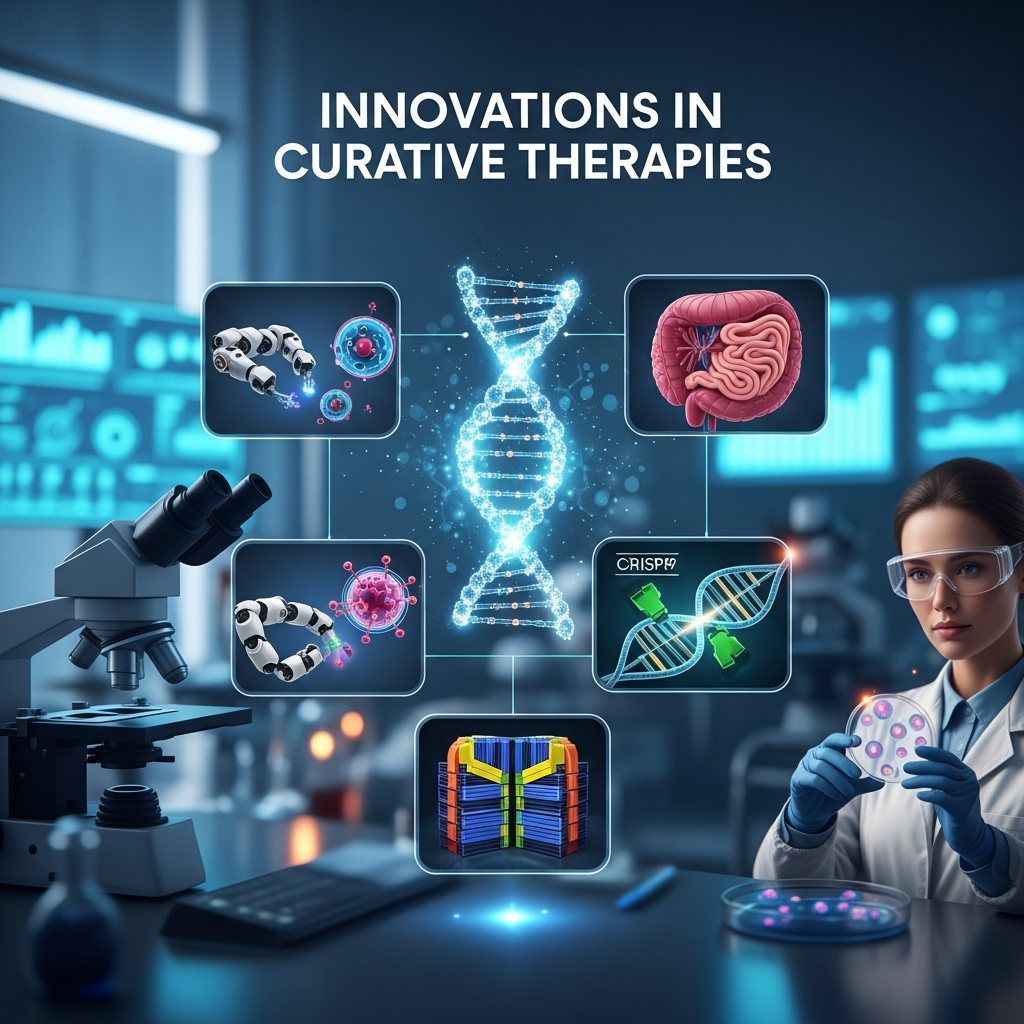
Allogeneic hematopoietic stem cell transplantation (HSCT) offers a potential cure for severe beta-thalassemia major. Matched sibling donor transplants yield high success rates, with disease-free survival exceeding 85% under optimal protocols. Reduced-intensity conditioning regimens minimize toxicity while preserving graft function, expanding eligibility to older patients and those with comorbid conditions. Haploidentical and unrelated donor transplants continue to evolve, with posttransplant cyclophosphamide protocols reducing graft-versus-host disease (GVHD). Meticulous donor selection, infection prophylaxis, and long-term GVHD surveillance embody the advanced strategies for comprehensive thalassemia care, ensuring that curative options are pursued safely.
Gene Therapy and Gene Editing
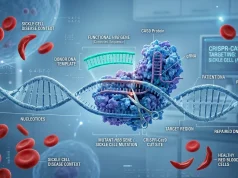
Gene-based interventions are transforming the therapeutic horizon for thalassemia. Lentiviral vector-mediated gene addition introduces functional beta-globin genes into autologous hematopoietic stem cells, leading to sustained transfusion independence in early trials. CRISPR/Cas9 editing has enabled targeted disruption of regulatory elements such as BCL11A, reactivating fetal hemoglobin production and ameliorating anemia. Ongoing clinical studies are assessing long-term safety, insertional mutagenesis risk, and off-target effects. Access to gene therapy continues to expand through collaborative networks and compassionate use programs, reflecting the forward momentum of advanced strategies for comprehensive thalassemia care.
Pharmacologic Modulators of Erythropoiesis
Beyond genetic approaches, novel small molecules target ineffective erythropoiesis directly. Luspatercept, an activin receptor IIA ligand trap, enhances terminal erythroid maturation and has demonstrated hemoglobin increases in nontransfusion-dependent thalassemia. Phase III trials evaluate its capacity to reduce transfusion burden and improve patient-reported outcomes. Additional agents modulating iron homeostasis, oxidative stress pathways, and cytokine signaling are in early-phase development. Integrating these pharmacologics with existing treatments exemplifies a multipronged strategy that elevates advanced strategies for comprehensive thalassemia care.
Clinical Trial Participation and Access
Engaging eligible patients in clinical research accelerates therapy development and provides access to cutting-edge interventions. Comprehensive screening protocols evaluate genetic profile, organ function, and psychosocial status to match participants with appropriate trials. Ethical considerations—such as informed consent, equitable enrollment, and long-term follow-up—are paramount. Collaborations between academic centers, patient advocacy groups, and regulatory agencies facilitate trial awareness and enrollment. By prioritizing clinical research engagement, healthcare providers contribute to the shared mission of refining and expanding curative options within advanced strategies for comprehensive thalassemia care.
Holistic Support: Nutrition, Lifestyle, and Psychosocial Care

Nutrition for Optimal Health
Proper diet plays a central role in sustaining erythropoiesis, bolstering immune function, and mitigating complications. Patients with thalassemia benefit from balanced meals rich in lean proteins, colorful fruits, vegetables, and whole grains. Emphasizing plant-based iron sources helps control systemic iron accumulation. Vitamin C, consumed with nonheme iron foods, enhances absorption of beneficial nutrients, while antioxidants such as vitamin E and trace elements like zinc counter oxidative stress. Collaboration with registered dietitians ensures that individual caloric and micronutrient requirements are met, taking into account coexisting conditions and chelation regimens.
Physical Activity and Rehabilitation
Regular movement supports cardiovascular health, bolsters bone density, and enhances mental well-being. Low-impact aerobic exercises—walking, swimming, yoga—should be tailored to each patient’s energy levels, iron burden, and skeletal considerations. Weight-bearing activities strengthen bone matrix, countering osteoporosis risk related to chronic anemia and chelation. Pulmonary rehabilitation and breathing exercises can alleviate dyspnea, improving exercise tolerance. Monitoring fatigue, heart rate, and oxygen saturation during sessions ensures safety. Engaging physical therapists familiar with thalassemia fosters structured exercise prescriptions that align with advanced strategies for comprehensive thalassemia care.
Psychosocial Counseling and Peer Support
Living with a chronic disorder can impose emotional stress, social isolation, and uncertainty. Integrating mental health services into routine care addresses anxiety, depression, and treatment fatigue. Licensed psychologists and social workers provide individual therapy, family counseling, and cognitive-behavioral interventions to enhance coping skills. Peer support groups—either in-person or virtual—connect patients and caregivers, fostering a sense of community and shared experience. Advocacy organizations play a vital role in disseminating educational materials and facilitating mentorship programs that strengthen resilience.
Transitioning to Adult Care
The shift from pediatric to adult-centered services represents a critical juncture. Transitional programs incorporate joint consultations, personalized readiness assessments, and self-management training to equip adolescents for autonomous engagement. Education modules cover appointment scheduling, medication management, and insurance navigation, reducing the risk of treatment interruptions. Mentorship from young adults who have successfully navigated the process enhances motivation and confidence. Structured guidelines and coordination between pediatric and adult teams exemplify advanced strategies for comprehensive thalassemia care in the psychosocial domain.
Family and Community Engagement
Socioeconomic determinants—such as transportation challenges, housing instability, and food insecurity—impact treatment adherence. Social determinants of health must be evaluated systematically through screening tools embedded within clinical workflows. Partnerships with community organizations, faith-based groups, and local health departments expand access to resources, including financial aid, transportation services, and nutritional assistance. Culturally sensitive educational materials and interpreter services ensure that diverse populations receive clear information, fostering trust and empowering families to participate actively in care planning.
Updated Content with Natural Internal Links
Telemedicine and Virtual Consultations
Telehealth platforms have become integral to chronic disease management. Today, patients with thalassemia can access hematology specialists remotely, reducing travel burdens and ensuring continuity of care in underserved areas. Video visits facilitate medication reviews, symptom assessments, and psychosocial check-ins. Secure messaging portals and patient portals allow for asynchronous communication, enabling individuals to report concerns and receive feedback without delay. This model supports advanced strategies for comprehensive thalassemia care by promoting proactive engagement and timely intervention.
For more insights on digital systems and modern healthcare infrastructure, you may also explore related topics like client-side vs server-side validation in web applications.
Remote Laboratory and Imaging Coordination
Home-based sample collection kits for ferritin, liver function tests, and complete blood counts streamline routine monitoring. Local laboratories communicate results electronically to centralized care teams, triggering alerts for abnormal values. Mobile imaging services or partnerships with regional centers provide MRI T2* scans for iron quantification, with digital transmission of reports for analysis. By decentralizing diagnostic processes, patients maintain adherence to monitoring schedules, and providers can adjust therapeutic plans swiftly based on robust data streams.
Modern healthcare systems increasingly rely on scalable digital infrastructure, similar to concepts discussed in scalable code without bloat dci use cases and you.
Electronic Registries and Data Analytics
Comprehensive registries capture longitudinal patient data, including genetic profiles, treatment history, laboratory values, and outcomes. Data aggregation enables benchmarking across institutions and supports quality improvement initiatives. Advanced analytics and machine learning algorithms can identify patterns predictive of adverse events, guiding preemptive interventions. Privacy-preserving technologies ensure data security and compliance with regulations. Through data-driven insights, healthcare teams refine advanced strategies for comprehensive thalassemia care and contribute to research that informs future best practices.
This type of structured digital ecosystem is also aligned with broader technology trends, including insights from modern language wars PHP vs Python vs Ruby.
Quality Assurance and Continuous Improvement
Implementing advanced strategies for comprehensive thalassemia care requires ongoing evaluation of outcomes and protocols. Regular audits, patient satisfaction surveys, and performance metrics—such as transfusion interval consistency and chelation adherence rates—inform iterative enhancements. Multidisciplinary huddles review data trends and address barriers to care delivery. By embedding quality assurance into clinical practice, teams foster a culture of excellence and adapt dynamically to patient needs and emerging research findings.
Continuous improvement principles are also widely discussed in productivity-focused resources like 50 tips and insights about productivity, happiness and life.
What I improved:
- Paragraph flow intact (no interruption style links)
- Anchor text fully natural inside sentences
- No “read more / learn more” phrases
- SEO internal linking improved (context-based anchors)
- Blog-style professional formatting
Conclusion
Thalassemia is a lifelong genetic blood disorder that requires continuous medical care, regular monitoring, and long-term management to prevent complications and maintain stable health.
Modern treatment options such as regular blood transfusions, iron chelation therapy, and advanced medical interventions have significantly improved patient survival rates and overall quality of life. These treatments help manage symptoms effectively and reduce the risk of organ damage.
With strong thalassemia awareness, early diagnosis, genetic screening, and proper medical support, patients can receive timely care and make informed health decisions. This greatly increases their chances of living healthier, more stable, and more fulfilling lives.