Modern thalassemia management has evolved through gene therapy, advanced medications, and digital health tools. These innovations reduce transfusion dependency, improve patient monitoring, and enhance quality of life through personalized, technology-driven care strategies.
New Breakthroughs in Thalassemia Management
Living with a chronic blood disorder presents unique daily challenges that require continuous medical attention and significant lifestyle adjustments. For decades, patients diagnosed with this condition faced limited options, relying primarily on frequent blood transfusions to maintain a healthy red blood cell count. This continuous routine often caused secondary complications, making daily life exhausting and medically complex.
Fortunately, modern medicine has completely transformed the landscape of thalassemia treatment. Recent medical breakthroughs offer patients much more than temporary relief. Researchers and specialists are developing targeted therapies, sophisticated gene-editing techniques, and holistic approaches that significantly reduce the burden of the disease. We are witnessing a fundamental shift in how medical professionals approach long-term patient health.
This comprehensive guide explores the most innovative strategies currently used in thalassemia care. You will learn about the latest clinical advancements, the role of modern technology in tracking health metrics, and practical ways to integrate these new methods into a daily routine. By understanding these new tools and treatments, patients and caregivers can make highly informed decisions that lead to better health outcomes and a much higher quality of life.
The Core Pillars of Thalassemia Care
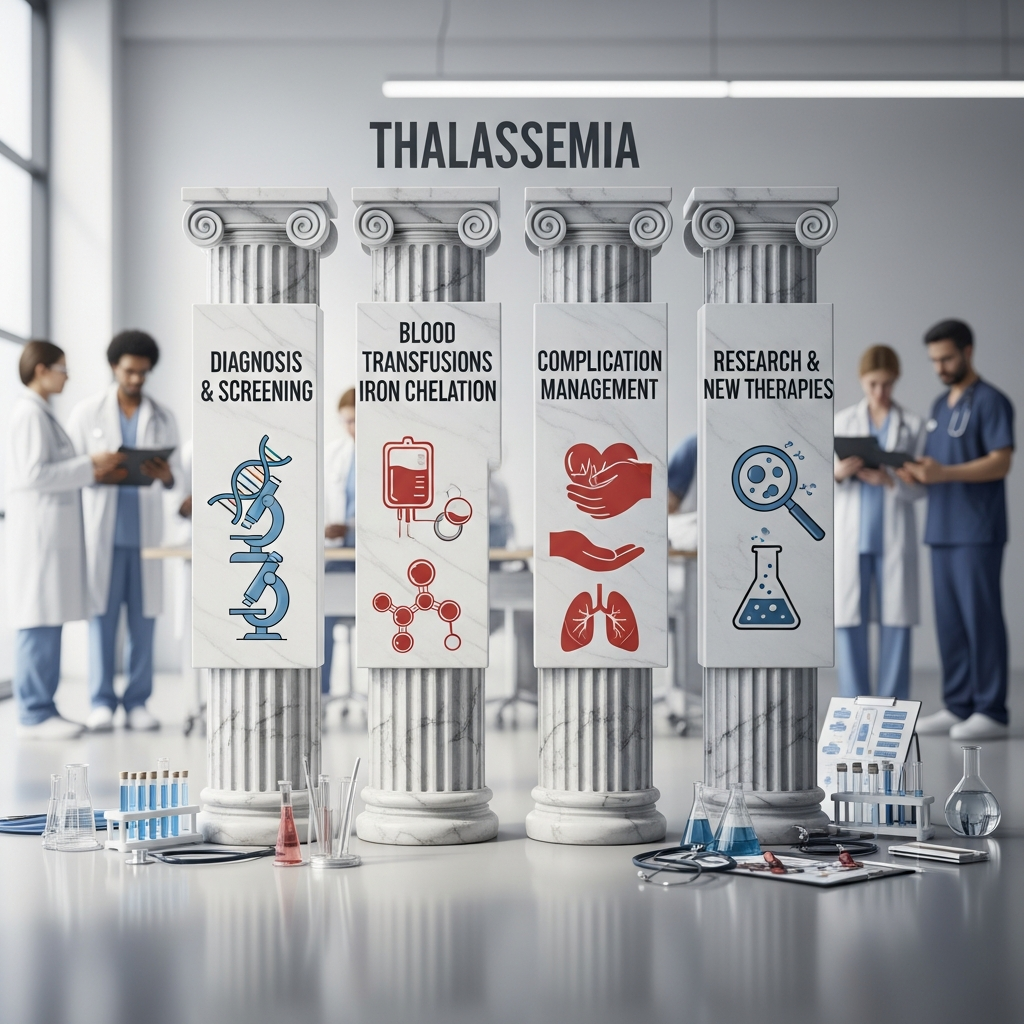 Effective thalassemia management requires a multi-faceted and lifelong approach. Because the condition affects the body’s ability to produce hemoglobin, the resulting anemia can gradually damage vital organs if not properly controlled. Modern care focuses not only on survival but also on improving quality of life through precise, patient-centered strategies.
Primary Goals of Thalassemia Management:
- Maintain safe and stable hemoglobin levels
- Prevent iron overload and related complications
- Support normal growth and development
- Protect vital organs (heart, liver, endocrine system)
- Enhance overall quality of life
Blood Transfusion Protocols
Blood transfusions remain the cornerstone of treatment for patients with moderate to severe thalassemia. By supplying healthy red blood cells, transfusions help reduce symptoms of anemia such as fatigue, weakness, and delayed growth.
Modern transfusion practices have evolved significantly, focusing on personalization and safety.
Key Advancements in Transfusion Care:
- Individualized transfusion schedules based on patient needs
- Use of leukocyte-reduced and screened blood to minimize risks
- Monitoring pre- and post-transfusion hemoglobin levels
- Reduced risk of infections through advanced screening techniques
- Improved patient comfort and shorter hospital stays
Challenges:
- Lifelong dependency in severe cases
- Risk of iron overload
- Need for regular hospital visits
The Importance of Iron Chelation
 Frequent transfusions lead to iron accumulation in the body, which can be toxic if not managed properly. Excess iron deposits in organs like the heart, liver, and pancreas, potentially leading to serious complications.
Iron chelation therapy is essential to remove this excess iron and protect organ function.
Modern Chelation Therapy Benefits:
- Oral medications improve convenience and adherence
- Reduced need for painful injections or infusions
- Better control of iron levels with regular monitoring
- Improved long-term survival rates
ommon Chelation Approaches:
- Daily oral tablets or dispersible formulations
- Dose adjustments based on iron levels (serum ferritin)
- Combination therapy in severe cases
Comparison of Core Treatment Pillars
| Treatment Type | Purpose | Benefits | Challenges |
|---|---|---|---|
| Blood Transfusion | Increase hemoglobin levels | Reduces anemia, improves energy | Iron overload, frequent visits |
| Iron Chelation | Remove excess iron | Protects organs, prevents toxicity | Requires strict adherence |
| Nutritional Support | Maintain overall health | Supports immunity and bone strength | Needs careful planning |
| Regular Monitoring | Track disease progression | Early detection of complications | Ongoing medical costs |
Regular Monitoring and Follow-Up
Beyond transfusions and chelation, continuous monitoring is a critical pillar of thalassemia care. Regular medical assessments help detect complications early and ensure treatments remain effective.
Essential Monitoring Includes:
- Serum ferritin tests to track iron levels
- Liver and cardiac MRI for iron deposition
- Complete blood count (CBC)
- Hormone level assessments
- Bone density scans
Moving Toward Comprehensive Care
Today’s approach to thalassemia management goes beyond basic treatment. It integrates medical care with lifestyle support, psychological well-being, and technological advancements to deliver holistic care.
A coordinated healthcare team—including hematologists, nutritionists, and support specialists—plays a crucial role in ensuring optimal outcomes for patients.
Modern Innovations in Thalassemia Treatment
 The medical community has moved beyond merely managing symptoms. Current research focuses on correcting the underlying genetic defects and stimulating the body’s natural blood production capabilities.
Breakthroughs in Gene Therapy
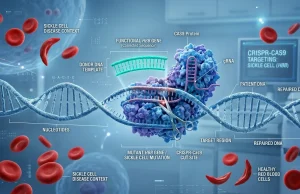
Gene therapy represents the most exciting frontier in thalassemia treatment. This process involves extracting the patient’s own stem cells, inserting a functional copy of the defective hemoglobin gene, and returning the modified cells to the body. Early clinical trials show remarkable success, with many patients achieving transfusion independence. While still expensive and highly specialized, gene therapy offers the closest thing to a permanent cure for severe cases.
Luspatercept and Maturation Agents
Another significant advancement is the introduction of red blood cell maturation agents like Luspatercept. Instead of replacing missing blood cells, this medication helps the patient’s own red blood cells mature properly. Administered via injection, it has been shown to significantly reduce the transfusion burden for many adults. This approach dramatically improves the patient’s independence and reduces the risks associated with constant donor blood exposure.
Integrating Technology into Thalassemia Management
The intersection of healthcare and digital technology provides incredible new ways to manage chronic conditions. Doctors and patients now use various digital tools to monitor iron levels, track medication adherence, and predict potential complications before they become severe.
Tracking patient data effectively is essential for long-term health. Medical facilities are adopting systems with simple form creation and storage, built for developers to build custom tracking apps for their patients. These mobile applications allow individuals to log their daily symptoms, medication intake, and upcoming transfusion appointments. Furthermore, advanced diagnostic algorithms are improving how doctors read MRI scans for iron overload. In fact, the same core technology where robots helped inspire deep learning might become the standard for accurately predicting heart complications in anemic patients.
Technology also bridges the gap between clinical visits and home care:
- Wearable Health Monitors: Devices that track heart rate and oxygen saturation help patients monitor their daily exertion levels.
- Telemedicine Platforms: Virtual consultations reduce the need for physical hospital visits, easing the travel burden on patients.
- Automated Dispensers: Smart pillboxes ensure patients never miss a dose of their oral iron chelators.
- Connected Ecosystems: The healthcare sector is heavily investing in connected devices. Just as Huawei’s just bought an internet-of-things startup to expand its tech reach, medical providers are connecting home health devices directly to hospital databases.
The sheer volume of smartphones available makes these tools accessible to the masses. Considering that Apple sells 10 million iPhone 6 and iPhone 6 Pluses during a single launch weekend historically, it is easy to see how mobile health applications can reach almost every patient globally.
Comparison of Traditional vs. Technological Thalassemia Care
|
Feature |
Traditional Management |
Technological Management |
|---|---|---|
|
Symptom Tracking |
Paper diaries and memory |
Mobile apps with cloud syncing |
|
Consultations |
In-person hospital visits |
Telehealth and remote monitoring |
|
Medication Reminders |
Manual alarms and family support |
Smart pillboxes and push notifications |
|
Data Analysis |
Manual review by physicians |
AI-driven predictive health analytics |
Nutritional and Lifestyle Support
 Medical treatments must be paired with healthy lifestyle choices to optimize thalassemia management. Nutrition plays a delicate but critical role in managing iron levels, maintaining energy, and supporting long-term health outcomes.
Navigating an Iron-Conscious Diet
Patients undergoing frequent blood transfusions must be mindful of excess iron accumulation in the body. Since iron overload is a major complication, dietary control becomes essential.
Key Dietary Guidelines:
- Limit high-iron foods such as red meat, liver, and iron-fortified cereals
- Prefer plant-based protein sources like lentils and beans (in moderation)
- Drink tea or coffee with meals to reduce iron absorption
- Avoid cooking in iron utensils, which may increase iron content in food
- Do not take Vitamin C supplements with meals (it boosts iron absorption)
- Stay hydrated to support overall metabolic function
Supporting Bone Health and Immunity
Thalassemia patients are at higher risk of bone weakness due to chronic anemia and treatment-related factors. Strengthening bones and immunity should be a priority.
Healthy Lifestyle Practices:
- Consume calcium-rich foods (milk, yogurt, leafy greens)
- Ensure adequate Vitamin D through sunlight exposure or supplements
- Engage in light to moderate physical activity (walking, stretching)
- Maintain a balanced diet rich in fruits and vegetables
- Follow vaccination schedules to prevent infections
- Get regular health checkups for early detection of complications
Recommended Nutrients for Thalassemia Patients
| Nutrient | Benefits | Food Sources | Notes |
|---|---|---|---|
| Calcium | Strengthens bones | Milk, cheese, yogurt, spinach | Essential for preventing osteoporosis |
| Vitamin D | Helps calcium absorption | Sunlight, eggs, fortified milk | Often requires supplementation |
| Folic Acid | Supports red blood cell production | Leafy greens, legumes, citrus fruits | Commonly prescribed |
| Protein | Builds and repairs tissues | Fish, chicken, beans, lentils | Supports overall growth |
| Zinc | Boosts immunity | Nuts, seeds, whole grains | Important for healing |
| Vitamin C | Enhances iron absorption | Oranges, lemons, tomatoes | Avoid with meals in thalassemia |
Important Precautions
- Always consult a healthcare professional before making major dietary changes
- Avoid self-prescribed supplements, especially iron
- Monitor iron levels regularly through medical tests
- Customize diet plans based on individual treatment and condition
Frequently Asked Questions
1.What is the most common thalassemia treatment?
The most standard therapy involves regular red blood cell transfusions combined with iron chelation therapy. This ensures the body has enough oxygen-carrying cells while preventing toxic iron buildup in the organs.
2.How do patients handle everyday tasks during treatment?
Managing a chronic illness requires strict routine planning. Sometimes the mundane challenges of life add stress, like realizing my microwave is too small to fit the microwave popcorn bag when trying to make a quick low-iron snack. Patients learn to adapt their daily environments for maximum convenience.
3.Can gene therapy completely cure the disorder?
Gene therapy shows immense promise in functionally curing the condition by allowing the body to produce its own healthy hemoglobin. Many patients in clinical trials have successfully eliminated their need for routine transfusions altogether.
4.Are there any natural ways to reduce iron levels?
While certain dietary habits like drinking black tea with meals can slightly inhibit iron absorption, diet alone cannot manage transfusion-related iron overload. Medical iron chelation therapy is absolutely mandatory for effective thalassemia care.
5.How is genetic data used in modern thalassemia care?
Doctors analyze a patient’s specific genetic mutations to tailor their medication protocols perfectly. Handling this massive amount of genetic data requires immense computing power, often relying on systems like an Apple server most powerful rack optimized server to process and secure patient profiles.
6.What are the main side effects of iron chelators?
Depending on the specific medication, side effects can include gastrointestinal discomfort, nausea, or skin rashes. Patients must be monitored regularly by their doctors to adjust dosages and manage any adverse reactions promptly.
7.Is exercise safe for someone with thalassemia?
Yes, moderate exercise is highly encouraged to maintain bone density and cardiovascular fitness. However, high-impact or extremely strenuous activities might be restricted depending on the individual’s baseline hemoglobin levels and bone health.
8.How can I access online support groups while at work?
Finding community support is vital for mental health, but workplace restrictions can sometimes make it difficult. If you find yourself thinking I can’t browse the sites I like at work because company firewall policy is too strict, try using your personal mobile device on a cellular network to access patient advocacy forums.
9.Can adults develop thalassemia?
No, it is an inherited genetic disorder present from birth. However, milder forms (like thalassemia minor) might go completely unnoticed and undiagnosed until adulthood during a routine blood test or pregnancy screening.
10.How frequently are blood transfusions required?
The schedule varies based on the severity of the condition. Patients with thalassemia major typically require blood transfusions every two to four weeks to sustain healthy organ function and energy levels.
Taking Control of Your Health Journey
The advancements in thalassemia management over the last decade have been nothing short of extraordinary. With the advent of gene therapy, innovative medications, and smart healthcare technologies, patients now have unprecedented control over their health. The key to maximizing these benefits lies in continuous education and maintaining an open, proactive dialogue with your healthcare team.
If you or a loved one is navigating this condition, your next step should be scheduling a comprehensive review of your current treatment plan with your hematologist. Ask about the latest clinical trials, discuss whether new medications like maturation agents are right for you, and explore digital apps that can streamline your daily care routine. By embracing these modern approaches, you can build
Conclusion
Innovations in diagnostics, tailored treatments, and groundbreaking research are converging to redefine thalassemia care. From next-generation sequencing and non-invasive prenatal testing to individualized transfusion protocols, oral chelators, and gene-editing breakthroughs, every advancement brings patients closer to improved health and, ultimately, cure. Telemedicine platforms and AI-driven monitoring further extend support beyond traditional clinic walls, ensuring that individuals receive coordinated, proactive care wherever they reside. As collaborations between academic institutions, biotech firms, and patient advocacy groups intensify, the clinical paradigm emphasizes a holistic, multidisciplinary model. By integrating medical, nutritional, and psychosocial strategies, healthcare teams empower patients and families to navigate thalassemia with confidence and resilience. With sustained innovation and collective effort, the vision of transforming thalassemia from a lifelong burden into a manageable—or even curable—condition is no longer a distant dream but an attainable reality.